
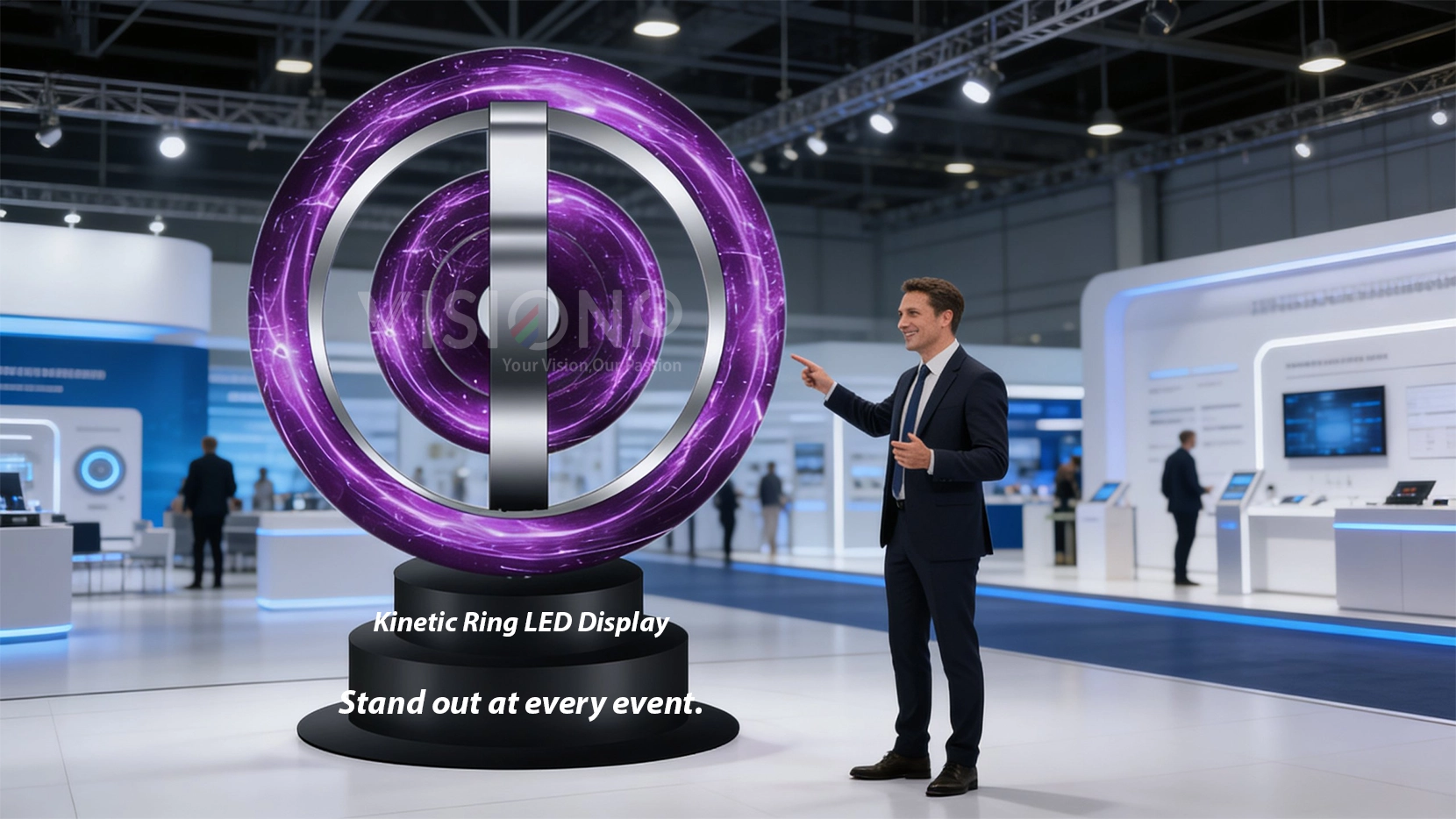
LED Mechanical Ring Displays
As LED display technology continues to evolve, mechanical ring displays—also known as kinetic LED installations—have emerged as a significant development in commercial, artistic, and public spaces. These systems integrate traditional digital display technology with kinetic motion to provide dynamic visual performance. This article outlines the core design, typical applications, and frequently asked questions regarding these systems.
Core Design and Engineering
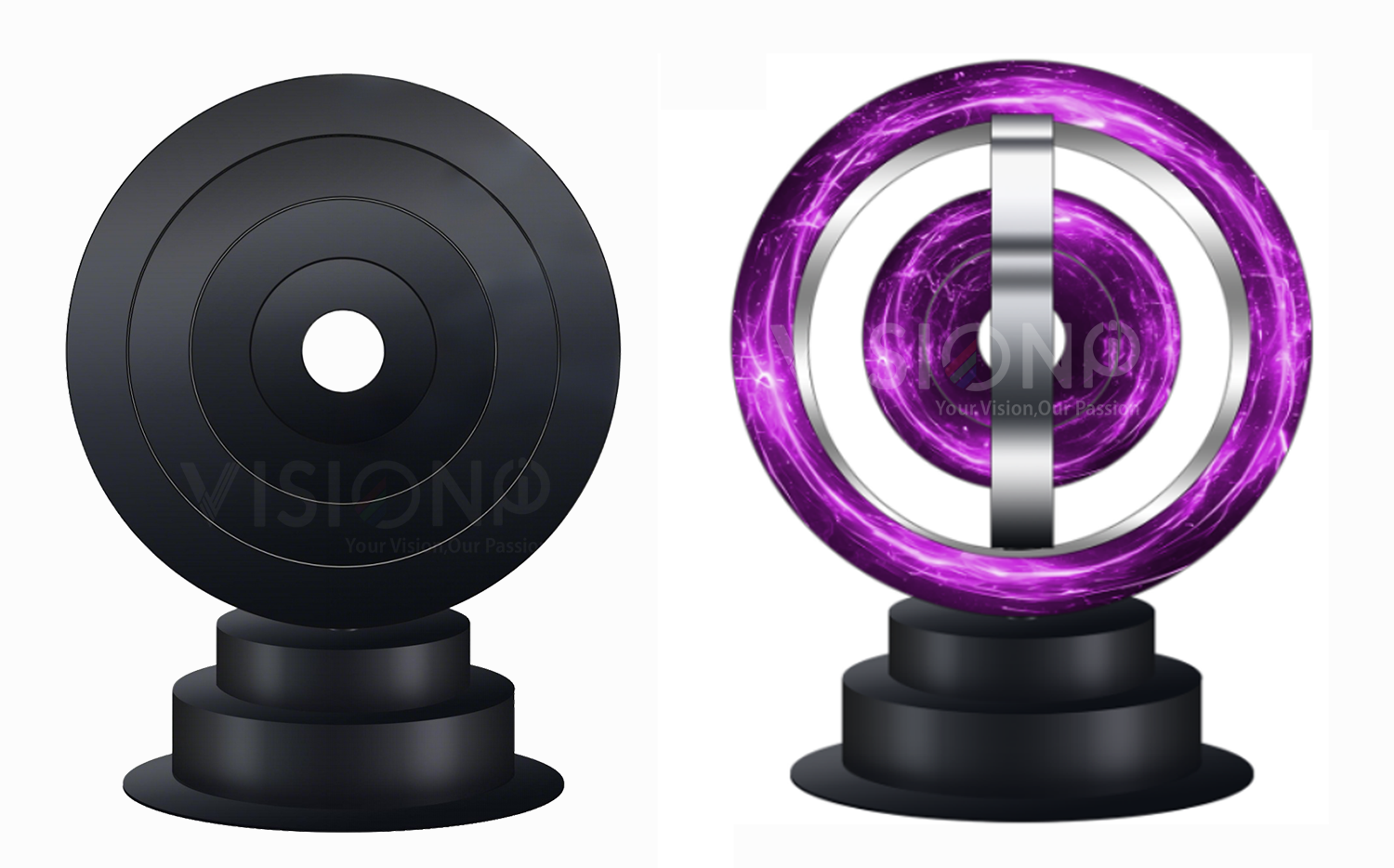
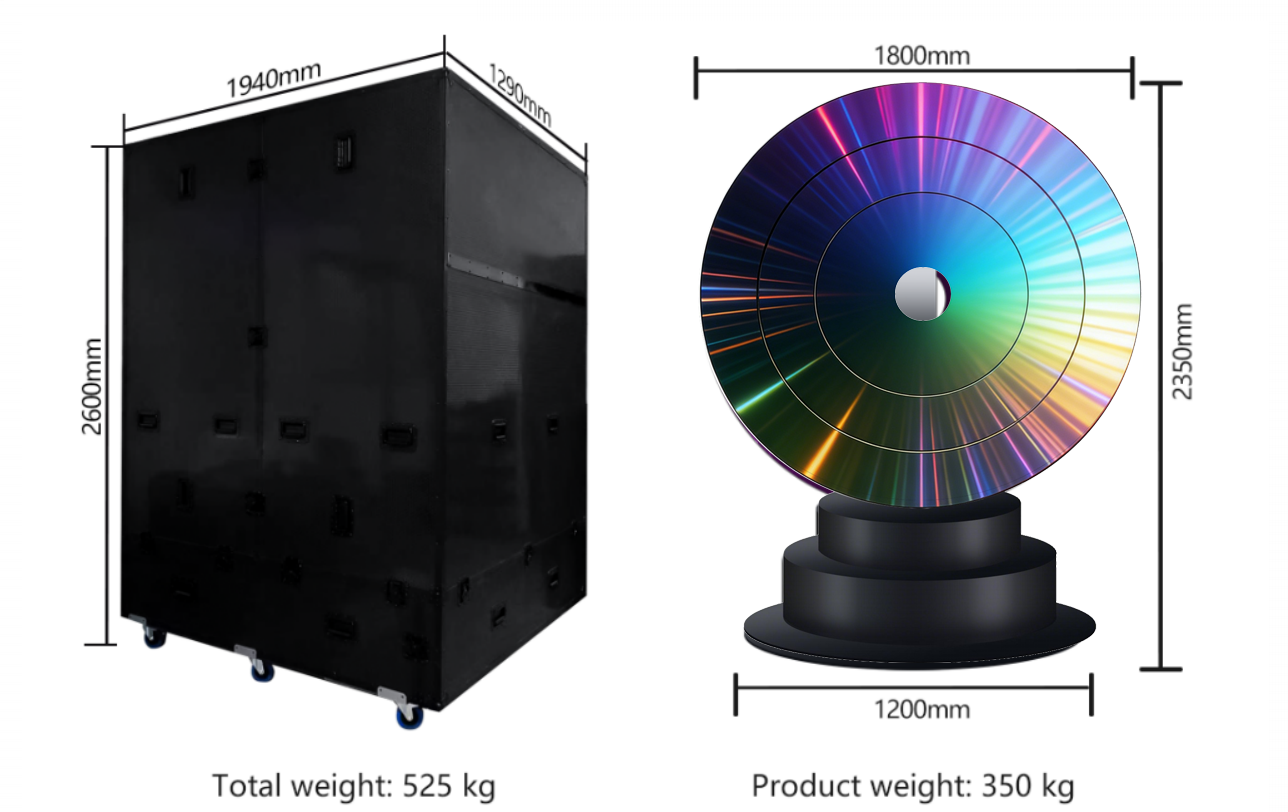
The fundamental design of an LED mechanical ring display combines a static framework with moving components. Typically, these units consist of a fixed outer ring and multiple independent concentric rings capable of rotation. This configuration enables a multi-dimensional visual experience that extends beyond the limitations of standard flat displays.
Kinetic Ring LED Display Applications
The dynamic nature of these displays lends them to several specialized environments:
-
Events and Exhibitions: At trade shows or product launches, the rotational movement serves as a focal point, drawing attention to branding or specific visual content.
-
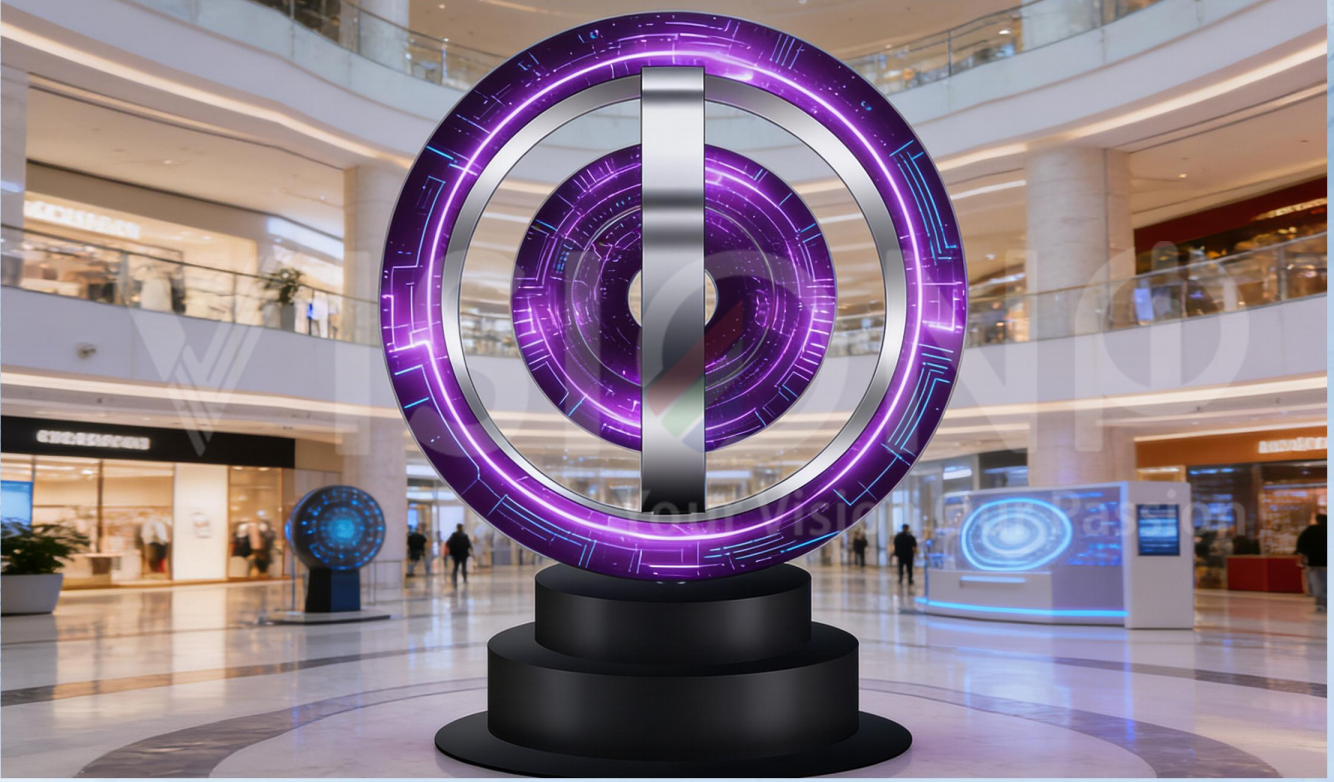
Commercial and Retail Spaces: In shopping centers, flagship stores, or transportation hubs, these displays serve as high-end advertising platforms, enhancing visual impact through dynamic content looping.
-
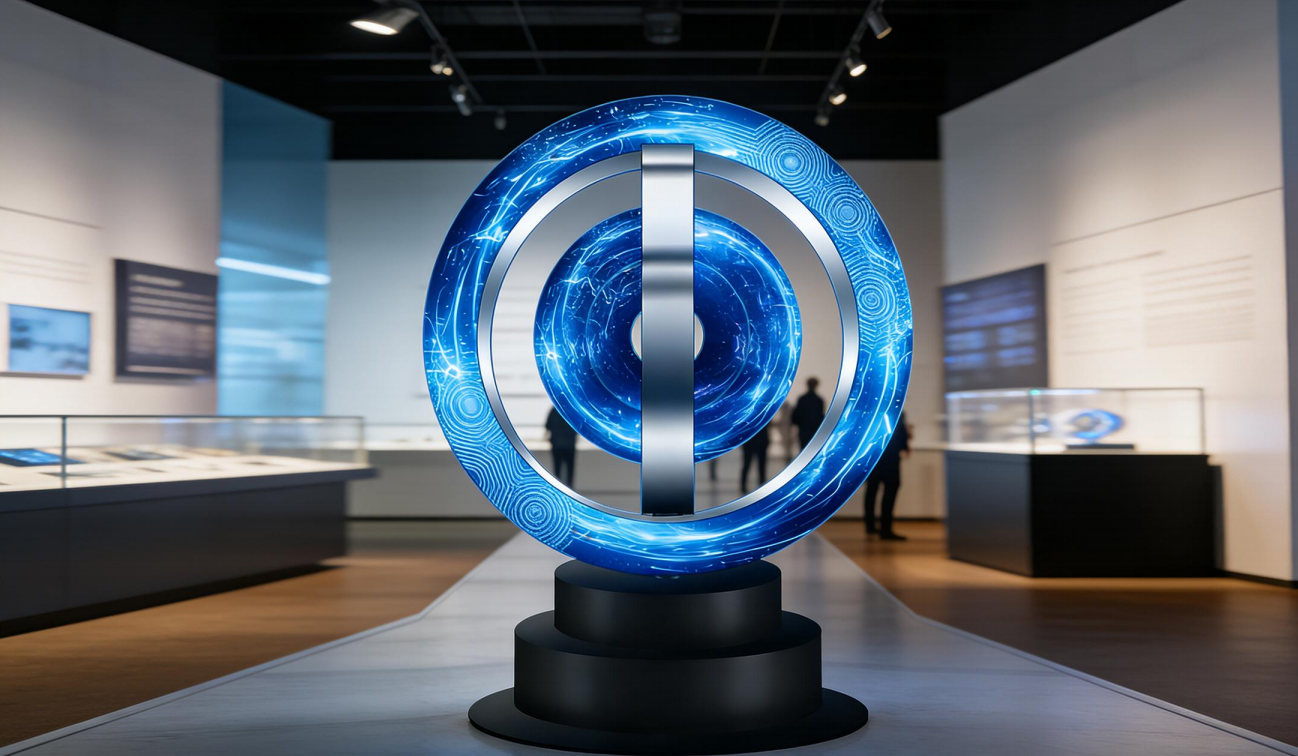
Educational and Cultural Institutions: Museums and science centers use these displays to represent complex temporal or mechanical concepts, such as celestial movement, historical timelines, or physical machinery, merging education with aesthetics.
-
Digital Art and Public Installations: The technology is frequently used in light-and-shadow art exhibitions, urban public spaces, and creative parks to deliver immersive, kinetic visual experiences.
Mechanical Specifications
- Rotation: Independent servo motors per inner ring
- Speed: 0-5 RPM (adjustable)
- Direction: Programmable (CW/CCW/bidirectional)
- Noise: ≤50 dB @ 1m
- Structure: Aluminum alloy + steel frame
- Bearings: Industrial grade (50,000+ hours)
Display Specifications
- Pixel Pitch: P1.2 to P2.5 options
- Brightness: 700-5,000 cd/m² (adjustable)
- Refresh Rate: ≥3,840 Hz
- Viewing Angle: 140°(H) × 140°(V)
- Color: 16-bit (65,536 colors)
- Contrast: 5,000:1
Performance
- Power: 220V/380V, 800-1,500W
- Temperature: -10°C to +50°C (operating)
- IP Rating: IP31 standard (IP65 optional)
- MTBF: ≥50,000 hours
- LED Life: ≥100,000 hours (to 50% brightness)
Control & Connectivity
- Control: PLC + touch screen + Ethernet/WiFi remote
- Inputs: HDMI 2.0, DVI, SDI (optional)
- Sync: Frame-accurate rotation-content synchronization
- Software: Proprietary content mapping included
Physical (Standard P1.8 Model)
- Diameter: 2,800 mm (outer) / 1,000 mm (inner)
- Height: 3,200 mm
- Weight: 460 kg
- Base: Integrated (no foundation required)
Frequently Asked Questions
Q1:Can I rent this Kinetic Ring LED Display?
A1: We are a manufacturer mainly serving event partners. We only offer sales and do not provide rental services.
Q2: How does the display perform in different lighting environments?
A2: Brightness levels typically range from 600 to 1000 nits. Most systems support high dynamic range (HDR) adjustments, allowing for manual or automatic calibration to suit indoor ambient light.
Q3: Are these devices difficult to install and maintain?
A3: Highly integrated motor and modern structure with standard base, no concrete foundation needed.
Front-access LED modules enable easy on-site replacement and simple daily maintenance.
Q4: What is the operating noise level and durability of the system?
A4:
Q5: What are the requirements for content creation and playback?
A5: Two system. motion system and the LED display system . both are provided
Q6: Can these displays be customized for outdoor use?
A6: Yes. it could be customized for outdoor use ,ip65
Q7: What is the typical procurement and delivery timeline?
A7: Lead times depend on whether the unit is a standard model or a custom configuration. Standard, in-stock units may be processed within 5 business days. Custom specifications or bulk orders generally require longer production cycles, typically averaging 25 business days, though this varies by project complexity.
Q8: What is the expected lifespan of the components?
A8: The rated life of the LED components is typically 100000 hours. Warranty terms, on-site service coverage, and software support policies vary by supplier and should be explicitly defined in the procurement contract.