Modular LED Display Installation

Unlocking Flexibility and Savings with Modular LED Displays

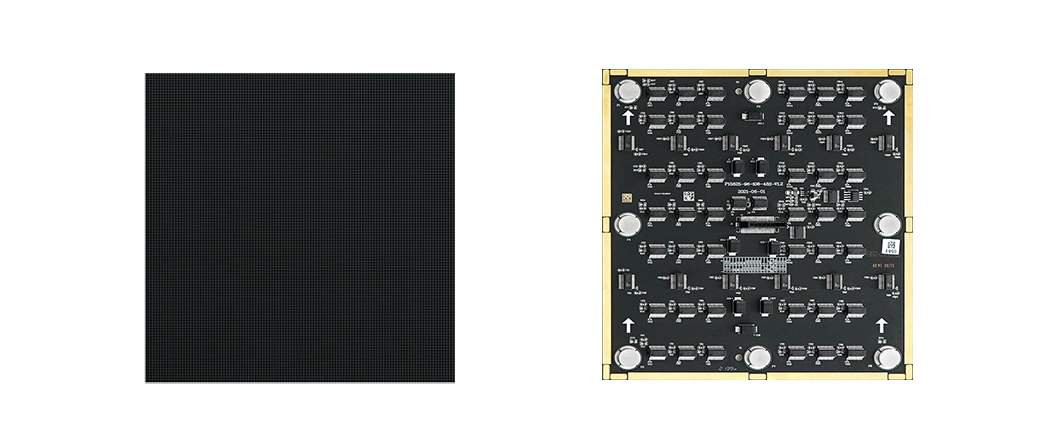
In the evolving world of digital displays, modular LED displays are gaining traction for their unmatched flexibility and efficiency. Unlike traditional LED screens that come pre-assembled in bulky cabinets, modular LED displays consist of independent modules that can be directly installed onto a frame. This innovative approach not only allows for customized screen sizes but also offers significant savings in space and cost. In this blog post, we’ll delve into the advantages of modular LED displays and provide a comprehensive guide on how to install them effectively.

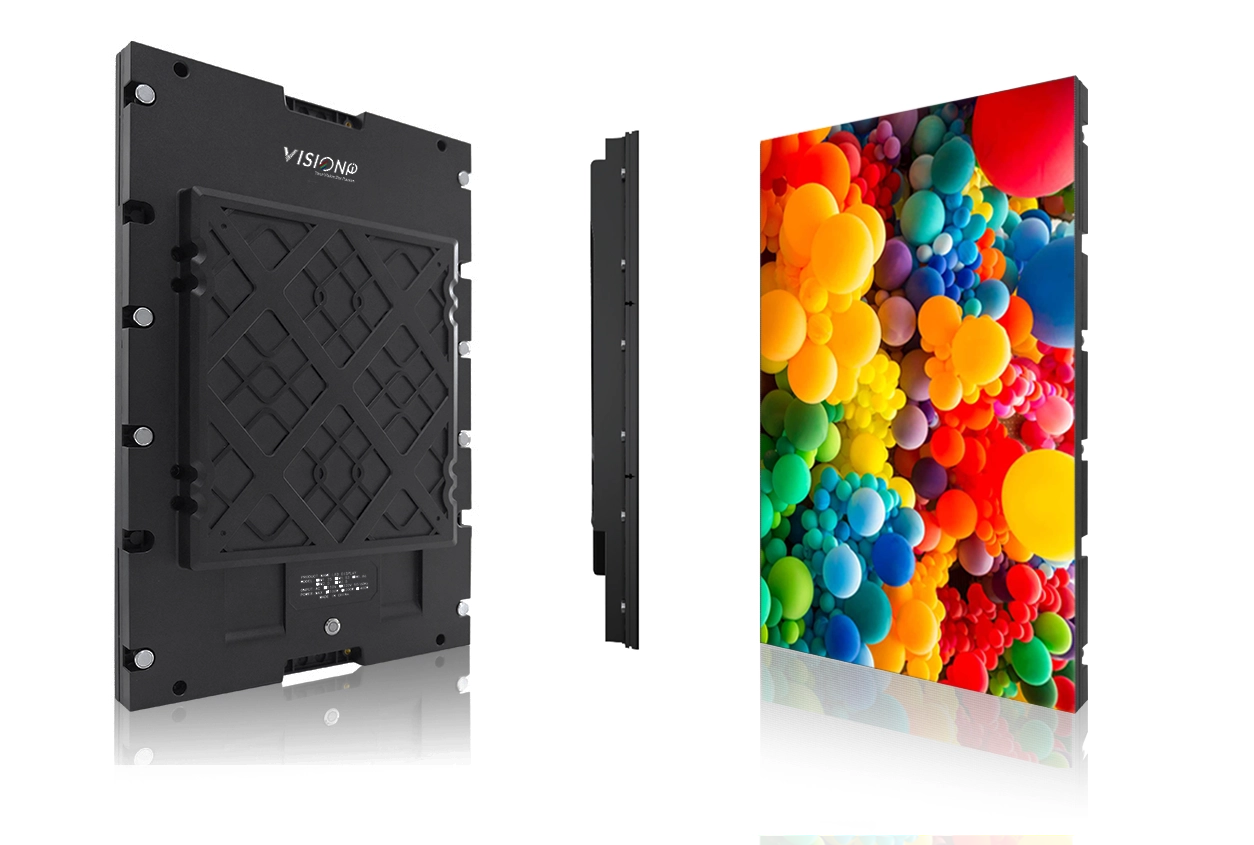
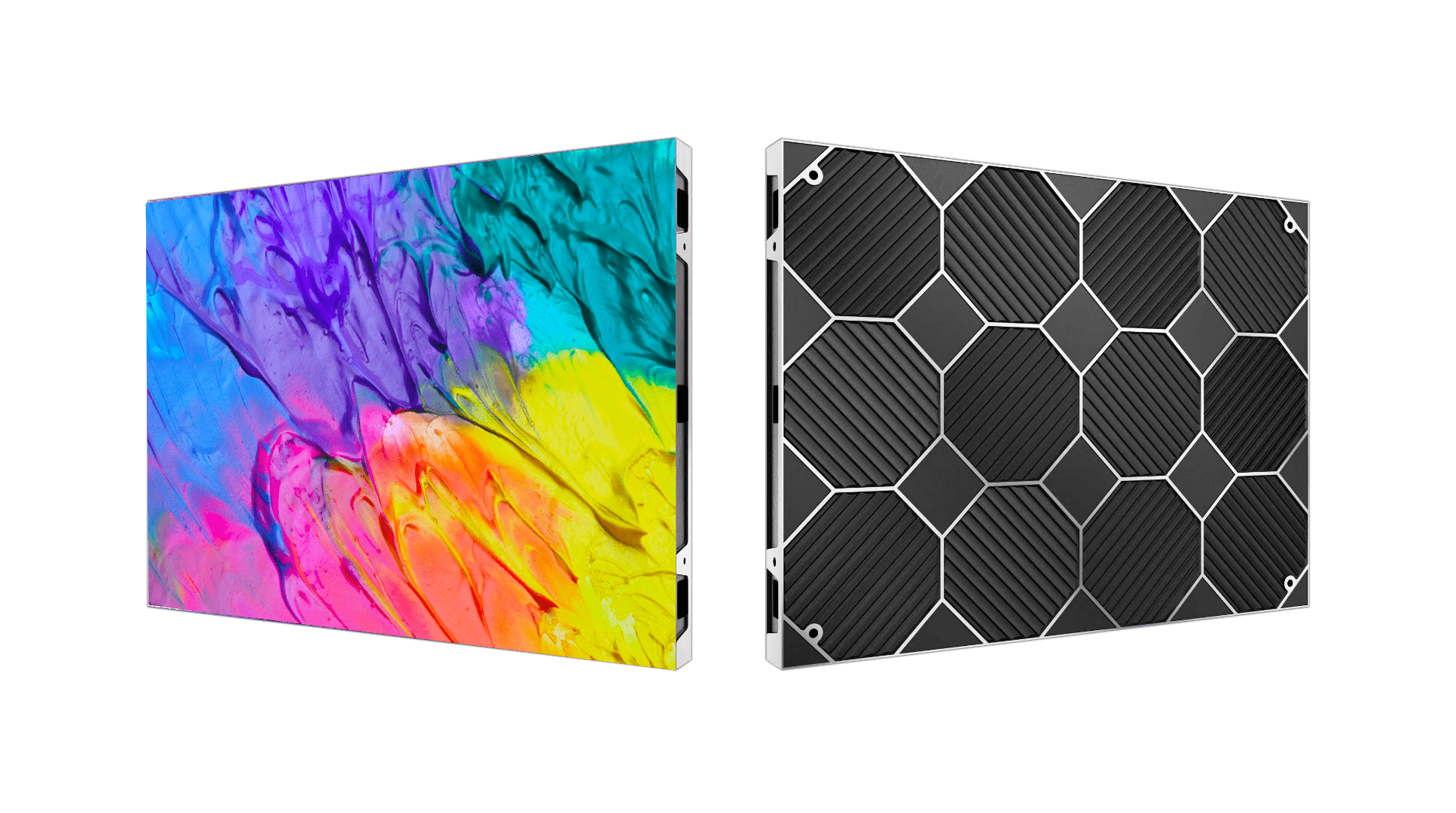
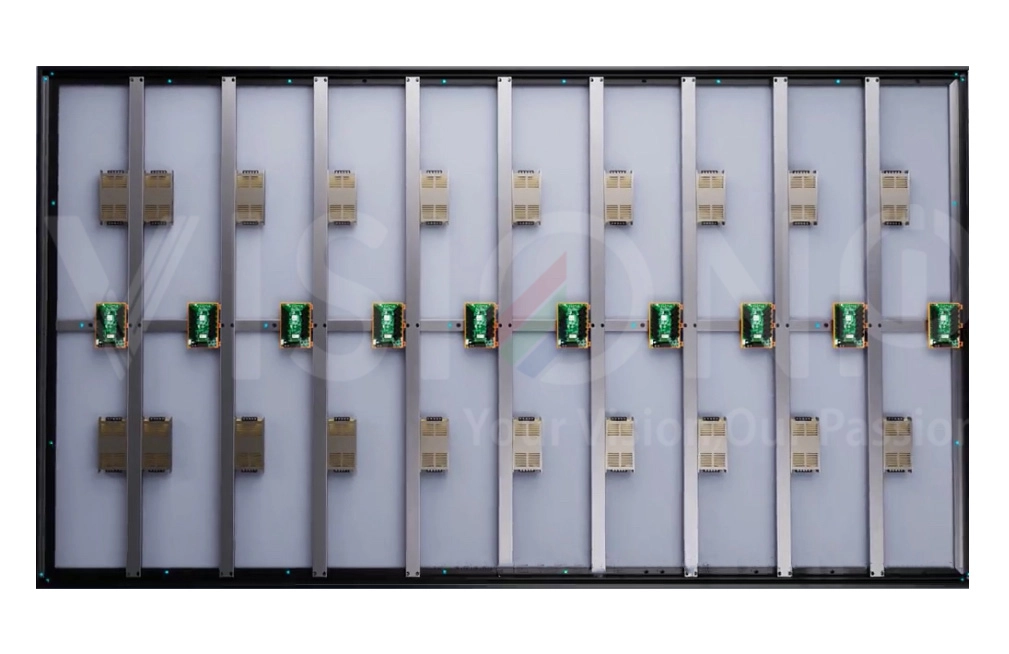
Modular led display installation
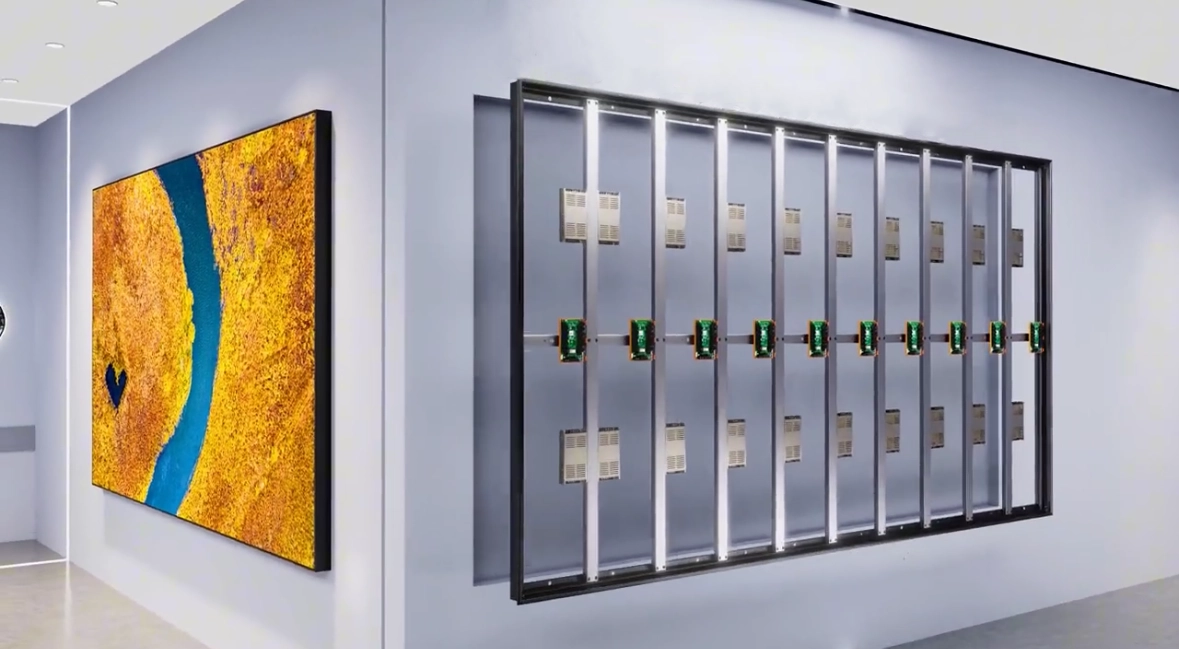
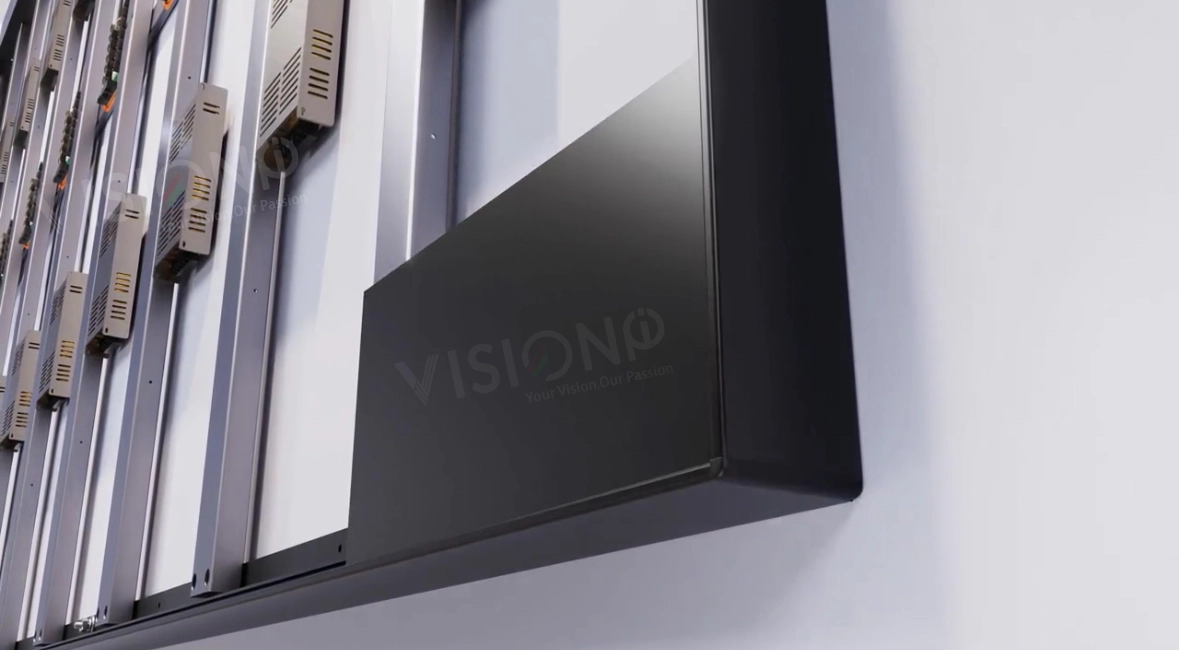
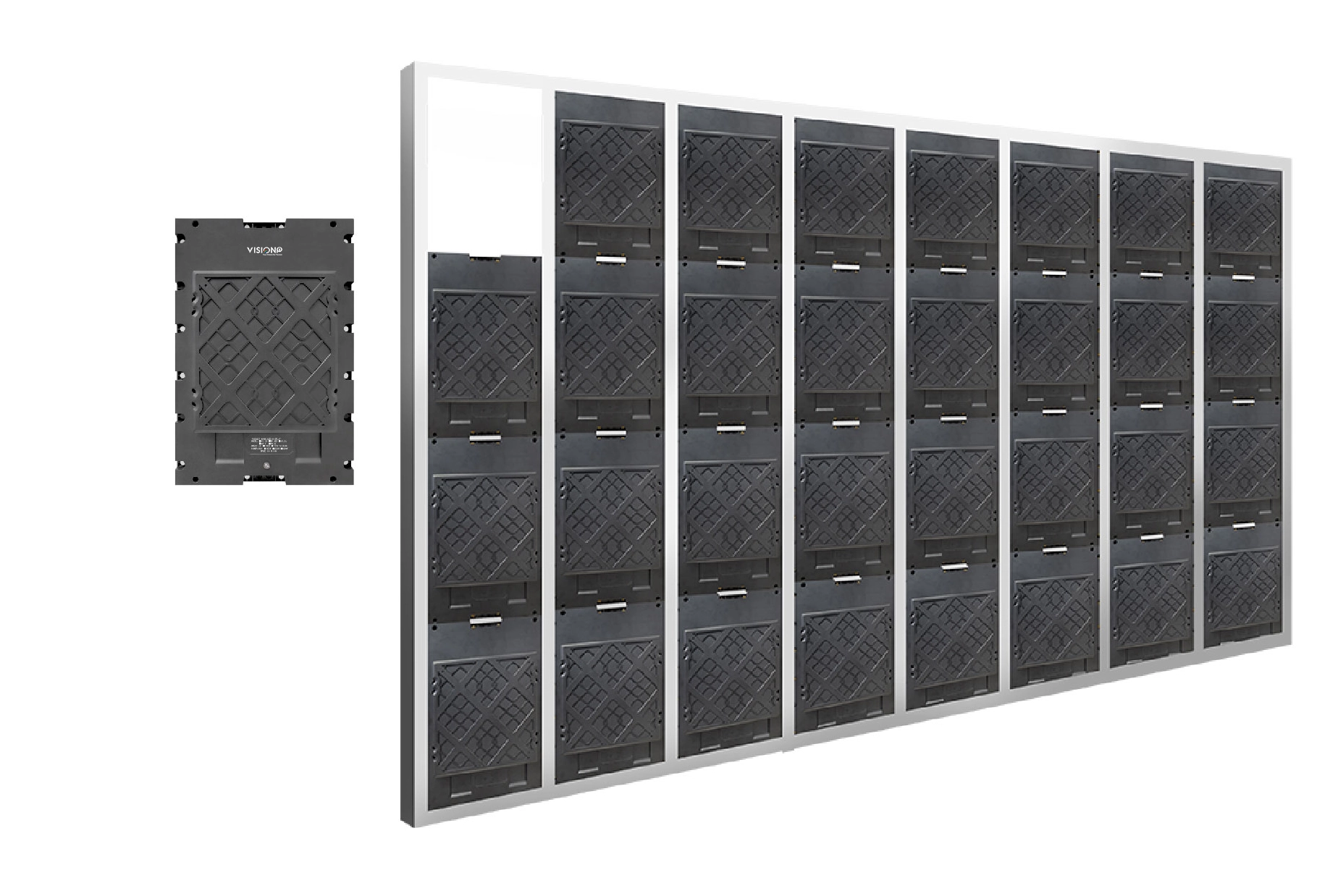
led modules installation withou cabinet

Modular LED Display Installation Guide

  1. Preparation:
    Assess the Installation Area: Measure and evaluate the space where the display will be installed. Ensure the wall or structure can support the weight of the modules.
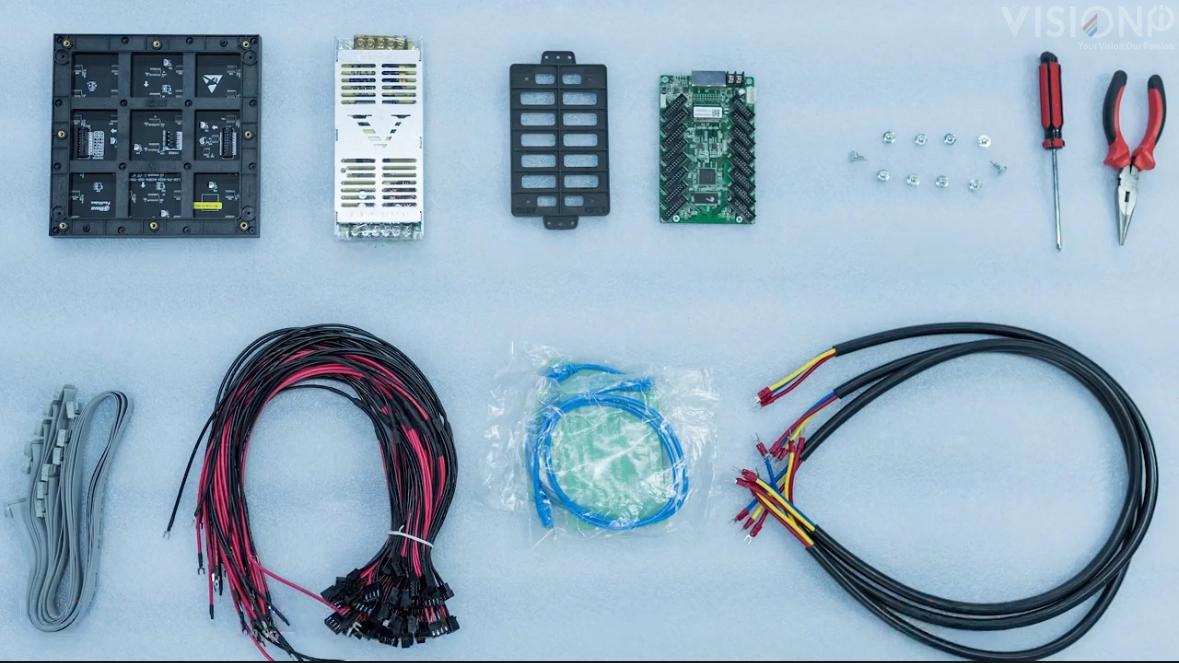
  2. Gather Necessary Tools and Components:Besides the LED modules, ensure you have all mounting brackets, screws, and tools at hand.
led screen installation components

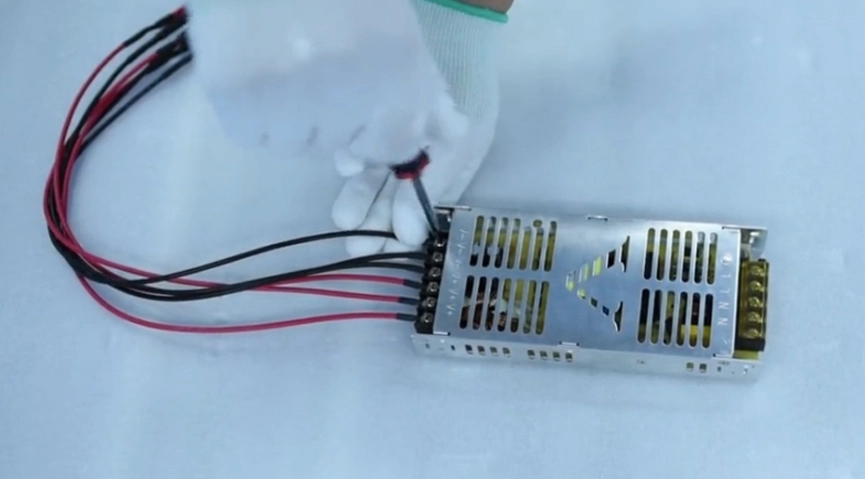
4. 5V Power Cable Wiring: Essential for powering the LED modules, the 5V power cables should be connected from the power supply to the LED modules ensuring secure and stable connections. Use appropriately rated cables to handle the current requirements and minimize voltage drop across long distances.

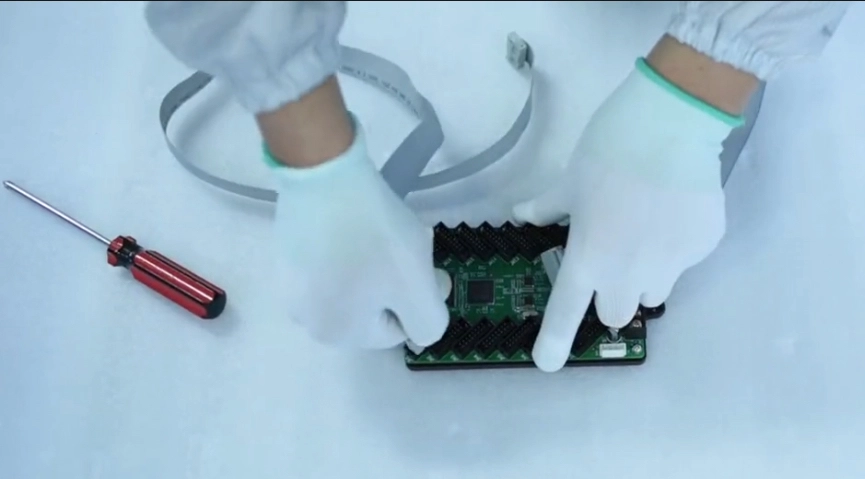
5.Receiving Card Wiring: This involves connecting the receiving card to the LED modules using flat cables. The flat cables transmit data signals and need to be carefully routed to avoid interference and ensure stable signal transmission.

Advantages of Modular LED Displays

  • Customization: Modular LED displays can be tailored to fit led screen size more flexiblely than the cabinet type.
  • Space Efficiency: By eliminating the need for bulky cabinets, modular LED displays can be integrated into environments where space is at a premium. This makes them ideal for locations like retail stores, art galleries, and places where aesthetic integration is crucial.
  • Cost-Effectiveness: With modular LED displays, you’re investing only in the technology you need without additional structures. This not only reduces the initial investment but also decreases shipping and labor costs due to the lighter and more compact nature of the modules.
  • Ease of Maintenance and Upgrades: Since each module can be accessed and replaced individually, maintenance and upgrades become simpler and less disruptive. This modular nature ensures that the display can evolve over time with the latest technology without needing a complete overhaul.
  • Improved Heat Dissipation: Without the confinement of a cabinet, modular LED displays typically have better heat dissipation. This can lead to longer lifespan of the LEDs and reduced risk of overheating, ensuring consistent performance even in challenging conditions.
led receiving card wiring
power supply wiring led modules

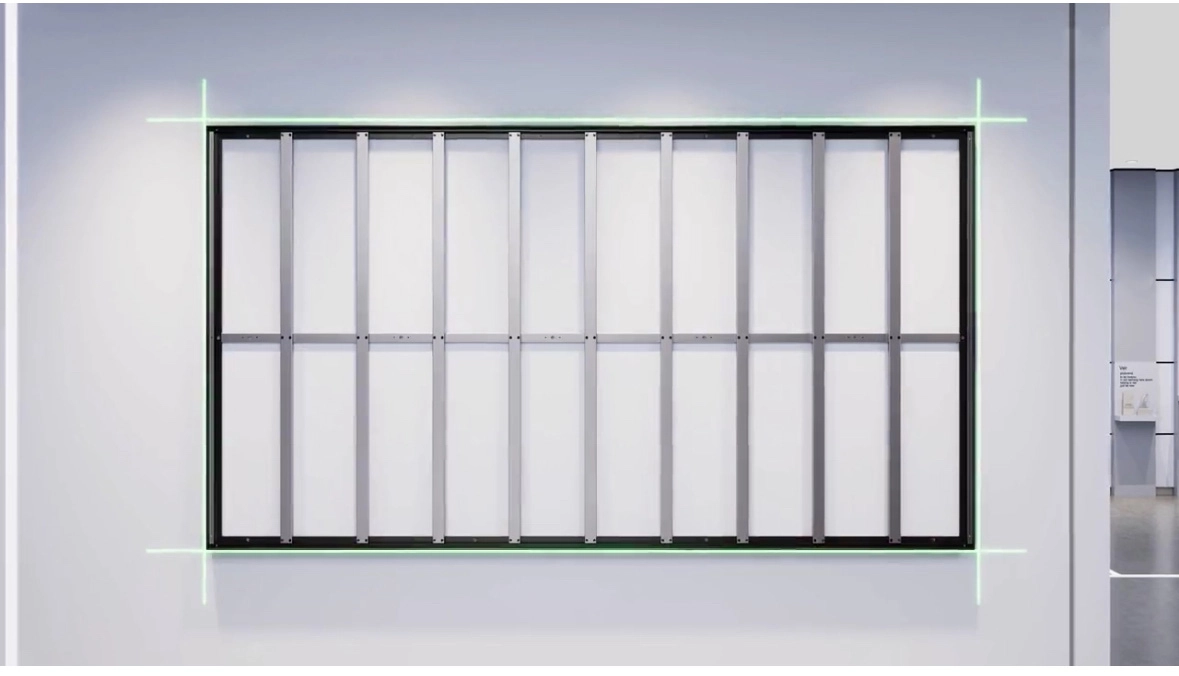
3.Frame Setup: Construct the Supporting Frame: Depending on the design, this could be a simple rectangular frame or a more complex custom shape. The frame should provide stable and even support for the modules.

4.Secure the Frame: Fix the frame securely to the wall or structure, making sure it is level and sturdy.

led display frame
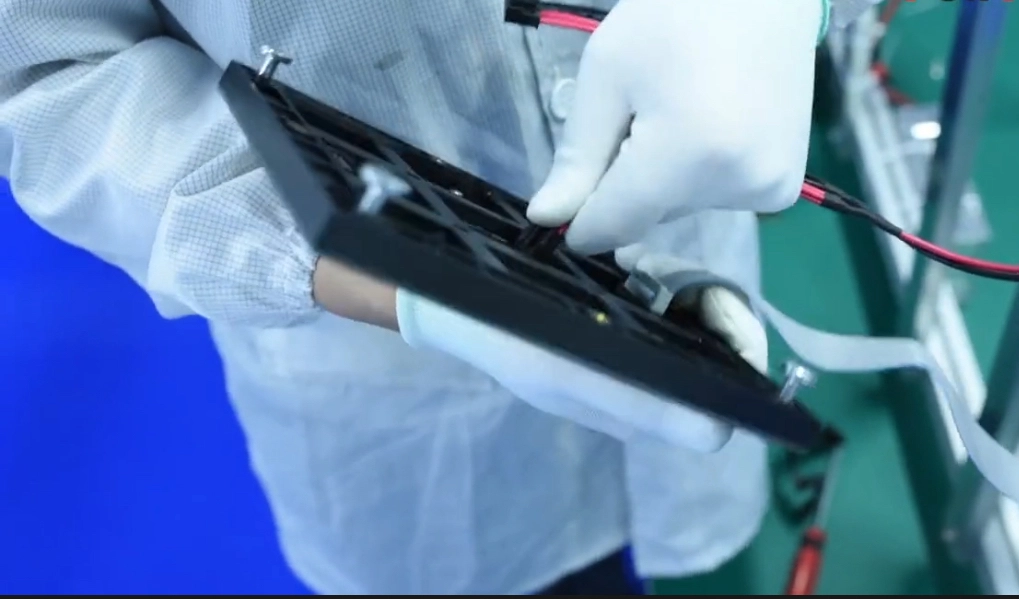
led display module installation

Installing LED Modules

  1. Mount the Modules: Attach each LED module to the frame, starting from one corner and working your way across to ensure alignment. Use the mounting brackets and screws provided.
  2. Connect the Modules: Wire the modules together according to the manufacturer’s instructions. This usually involves connecting power and data cables between modules.
  3. Configuration and Testing:System Configuration: Once all modules are installed and connected, configure the display using the control system provided by the manufacturer.
  4. Testing: Test the display for all functionalities. Check for color uniformity, brightness, and connectivity issues.
  5. Final Adjustments:Calibration: Calibrate the display for optimal color and brightness to match the installation environment.
  6. Cleaning and Finishing Touches: Clean the surface of the modules and remove any installation debris. Add any protective coverings or aesthetic finishes as required.
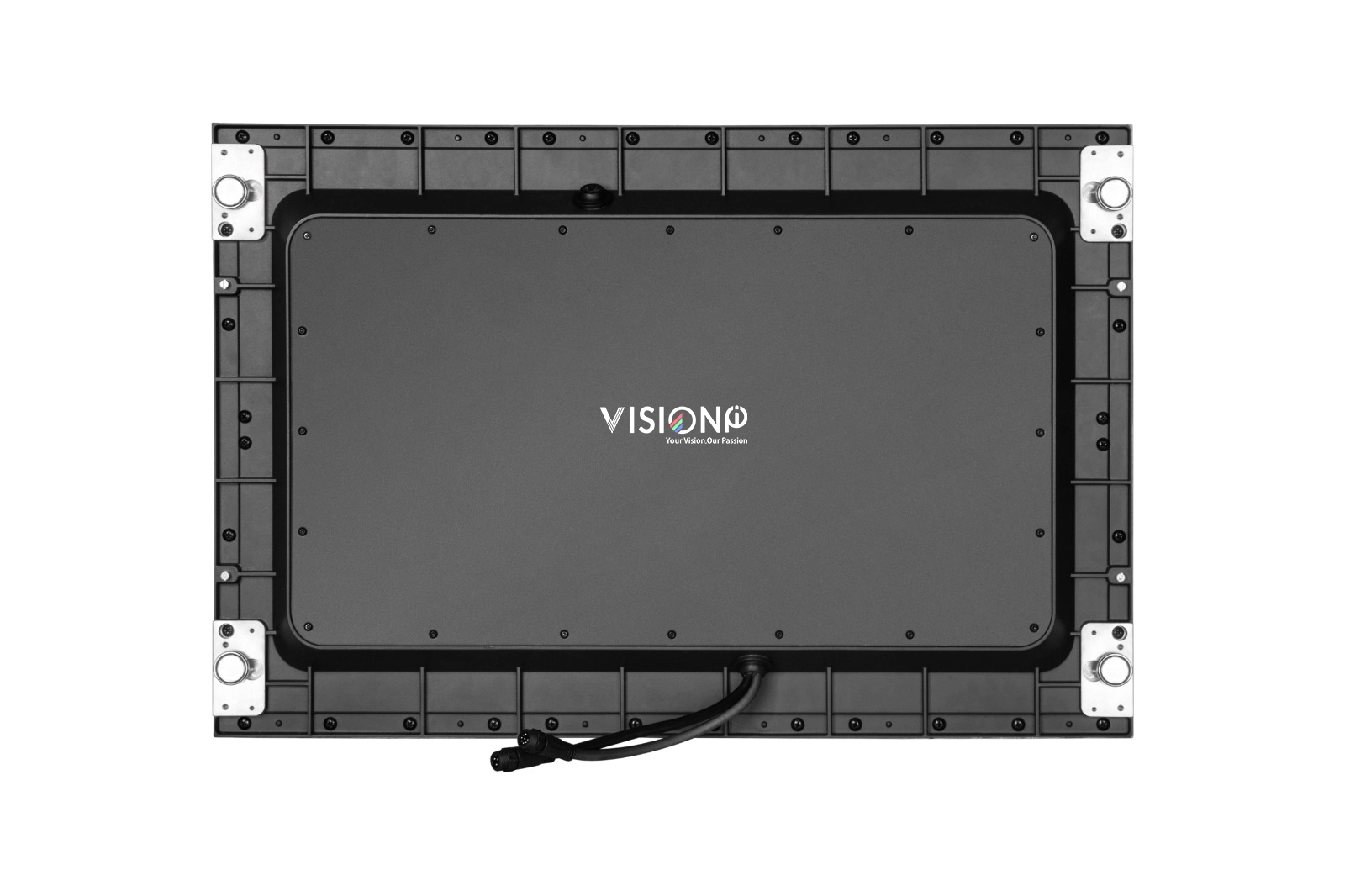
led modules power cable and flat cable wiring

Interested in exploring the potential of modular LED displays for your business or next event? Contact us today to find out how our cutting-edge solutions can be tailored to fit your unique requirements.

Upgraded Cost Effective Plastic Cabinet LED Display

320x480mm indoor led cabinet p1.8 p2 p2.5

320*480mm LED Cabinets

320x480mm led cabinet installation layout

Advantages of Plastic-Cabinet-Type LED Displays

  • Precision Alignment:Plastic Cabinet-type displays, especially those with  Die-cast cabinets, are produced with high precision due to their machine-made nature. Features like interlocks and module positioning holes ensure perfect alignment. This contrasts sharply with cabinet-less designs, which rely on less precise handmade structures that can affect the final screen alignment.
  •  Enhanced Flatness: The flatness of an LED screen is crucial for providing a seamless visual experience.  This level of flatness is difficult to achieve with mild steel (MS) cabinets and nearly impossible with cabinet-less screens, which often suffer from inherent structural unevenness.
  • Reduced Fire Hazard : Safety is paramount in any installation, and cabinet-type LED displays offer significant advantages here. Each cabinet in these designs is equipped with an internal electrical terminal block, which acts as a first line of defense against electrical shorts, cutting power to prevent potential fire hazards. In contrast, cabinet-less designs expose power supplies and cables to increased risk, as they are often mounted directly on flammable materials like plywood.
  • Protection Against Environmental Hazards: The structured framing of cabinet-type displays, , effectively shields the internal components from dust, insects, and rodents. This enclosure prevents damage that could lead to electrical shorts and hardware failure, issues that are more prevalent in cabinet-less designs due to their open construction.
  • Compliance and Safety Certifications: Cabinet-type displays are often backed by quality and safety certifications that are not typically available for cabinet-less modules. These certifications assure buyers of the product’s compliance with international standards, reducing the risk of purchasing substandard or unsafe products.

Front Service Outdoor P2.5 LED Display

The Front Service Outdoor LED Display P2.5

In the dynamic world of digital displays, the advent of front service outdoor LED displays, especially the P2.5 model, marks a revolutionary leap forward. Designed to meet the evolving needs of businesses and public spaces, this cutting-edge technology combines convenience, durability, and unparalleled visual performance. Here, we explore the remarkable features of the front service outdoor LED display P2.5 that set it apart in the digital signage arena.

Front Service: The Game Changer 

The front service outdoor LED display P2.5 introduces a fully magnetic service cabinet measuring 600x400mm, a design innovation that simplifies installation and maintenance. This feature is a boon for businesses looking for a hassle-free display solution that can be easily accessed and serviced from the front, eliminating the need for rear access space. The cabinet’s IP67 waterproof rating further ensures its resilience against the elements, making it an ideal choice for outdoor environments.

outdoor front service p2.5 high brightness led display

Brilliance that Shines: High Brightness at 6000 Nits

Brightness is a critical factor for outdoor displays, and the P2.5 LED display excels with a luminosity that reaches up to 6000 nits. This high brightness level guarantees that the display remains vivid and legible even under direct sunlight, ensuring your message is always clear and impactful. Whether it’s for advertising, information dissemination, or public announcements, the P2.5 display ensures your content catches the eye of every passerby.

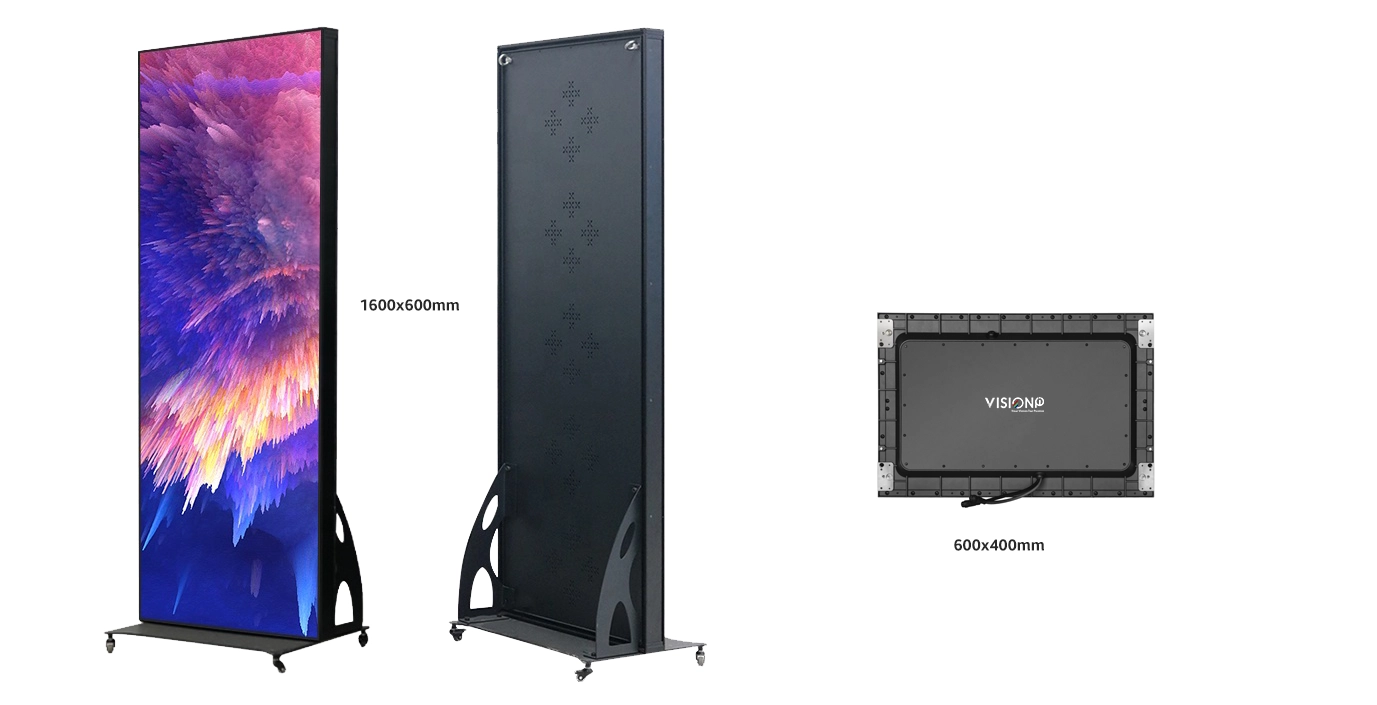
Versatility in Display: The Outdoor LED Poster

One of the most remarkable aspects of the P2.5 LED display is its versatility. By assembling four cabinets together, businesses can create a 1200x600mm LED poster, offering a larger canvas for creative and engaging visual content. This feature opens up new possibilities for outdoor advertising, allowing for the display of high-resolution images, animations, and videos that captivate and engage the audience. Whether it’s standing alone or integrated into a larger display network, the P2.5 LED poster is a powerful tool for innovation that simplifies installation and maintenance. This feature is a boon for businesses looking for a hassle-free display solution that can be easily accessed and serviced from the front, eliminating the need for rear access space. The cabinet’s IP67 waterproof rating further ensures its resilience against the elements, making it an ideal choice for outdoor environments.

outdoor led poster display p2.5 copy

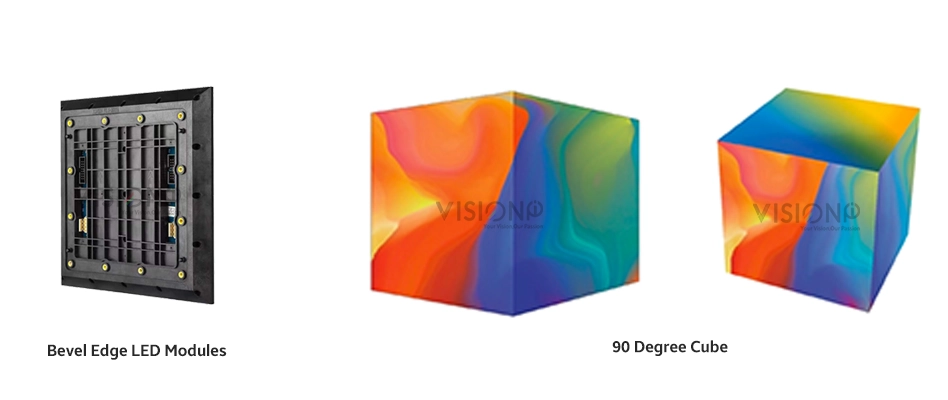
Innovative Design: Bevel Edged for LED Cube Display

The P2.5 display goes a step further in design innovation with its 200x200mm modules that can be crafted with bevel edges at 45 degrees, enabling the creation of LED cube displays. This unique feature allows for the assembly of three-dimensional displays that can serve as dynamic and interactive installations in public spaces, events, or retail environments. The LED cube display not only enhances the aesthetic appeal of the space but also provides a memorable interactive experience for the audience. design

200x200mm outdoor led display p2.5 45 degree cornerled cube copy
Item Parameters
Pixel pitch 2.5mm
LED Type SMD1415
Pixel Density 160,000 dots
LED Module Size 200 x 200mm
LED Module Resolution 80 x 80 dots
LED Cabinet Size 600x400x50mm
Cabinet Resolution 240×160 dots
Signal Processing  12 – 16 bit
Grey Level 4096 – 65536
Refresh Rate > 3840Hz
Scan Mode 1/20
Brightness >6,500 nits
Viewing Distance > 3.8m
Viewing Angle 120 degree
Input Voltage 100-240V/50-60Hz
Max Consumption 750W/SQ.M
Ave Consumption 225W/SQ.M
Working Temperature -20 degree to 45 degree
Storage Temperature -40 degree to 60 degree
IP Rate IP65
Working Humidity 10% – 60%
Storage Humidity 10% – 90%
Lifespan 100,000 hours
Service Type Front & Rear Service
LED Lamp Nationalstar
IC ICN2153
Control Card Nova / Colorlight
Stock Availability YES
Cabinet Size Option 200x200mm, 400x400mm, 600x600mm, 800x800m

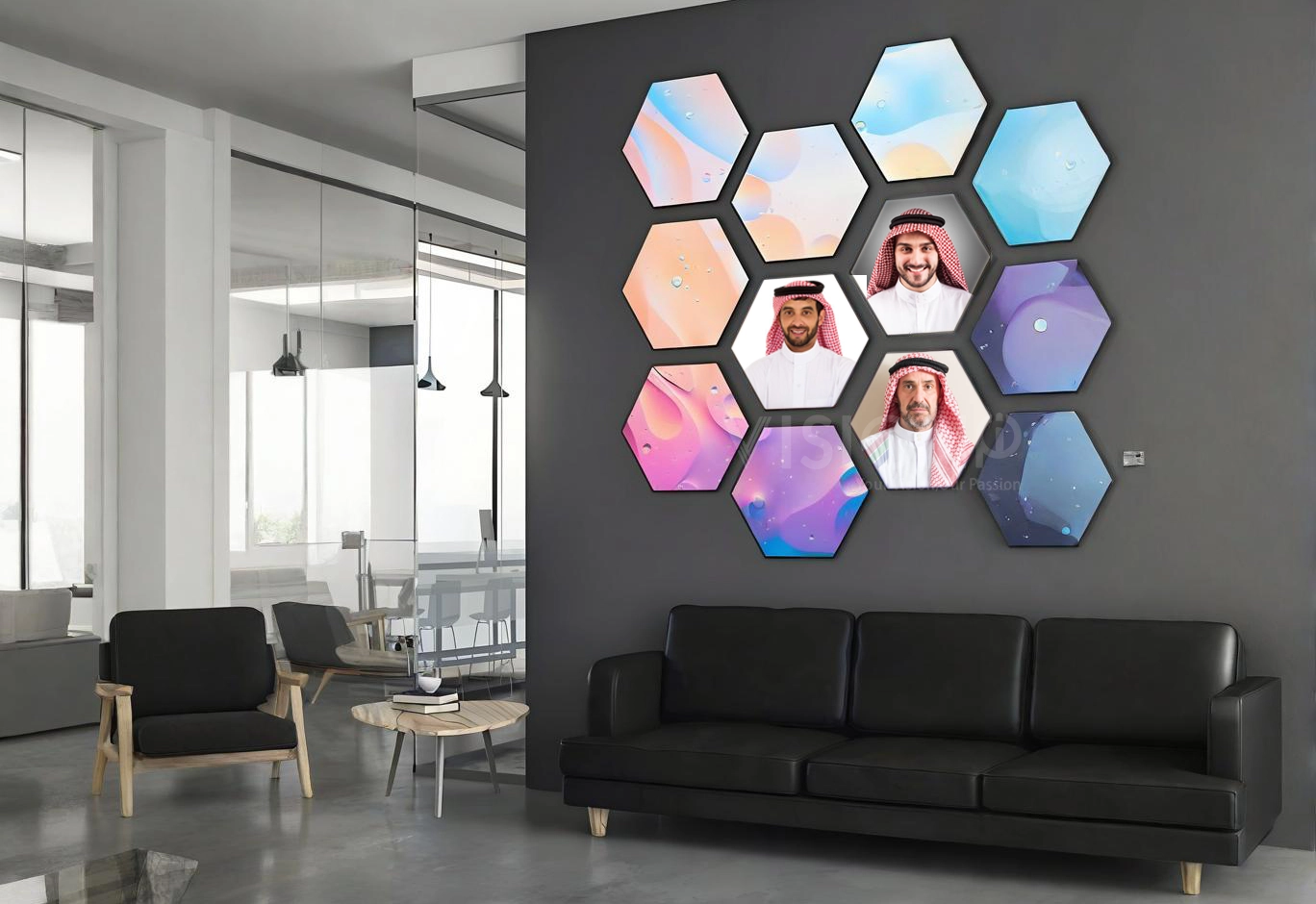
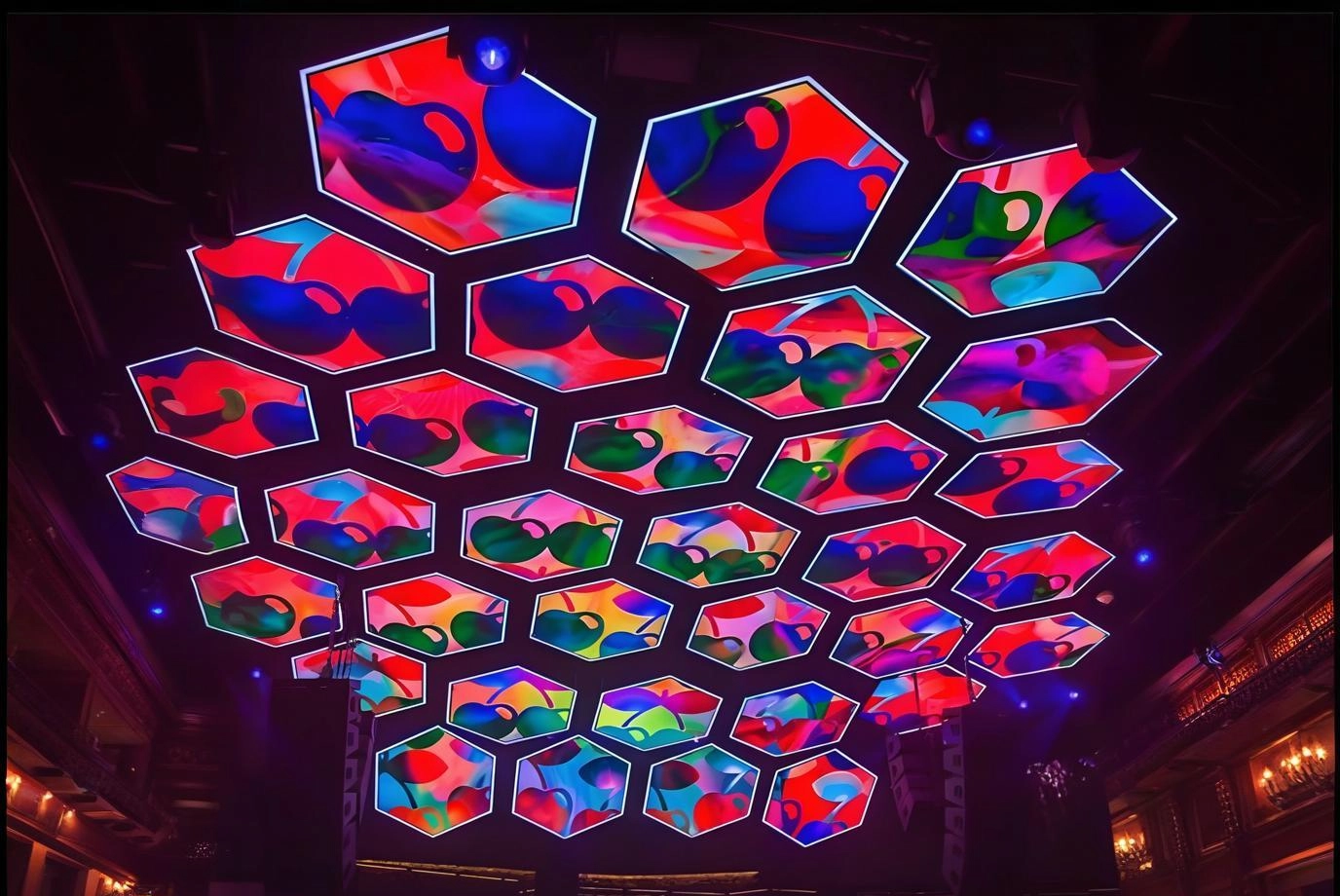
HEXAGON LED DISPLAY

bee comb hexagon led display

Why Hexagon LED Display is Revolutionizing Visual Experiences

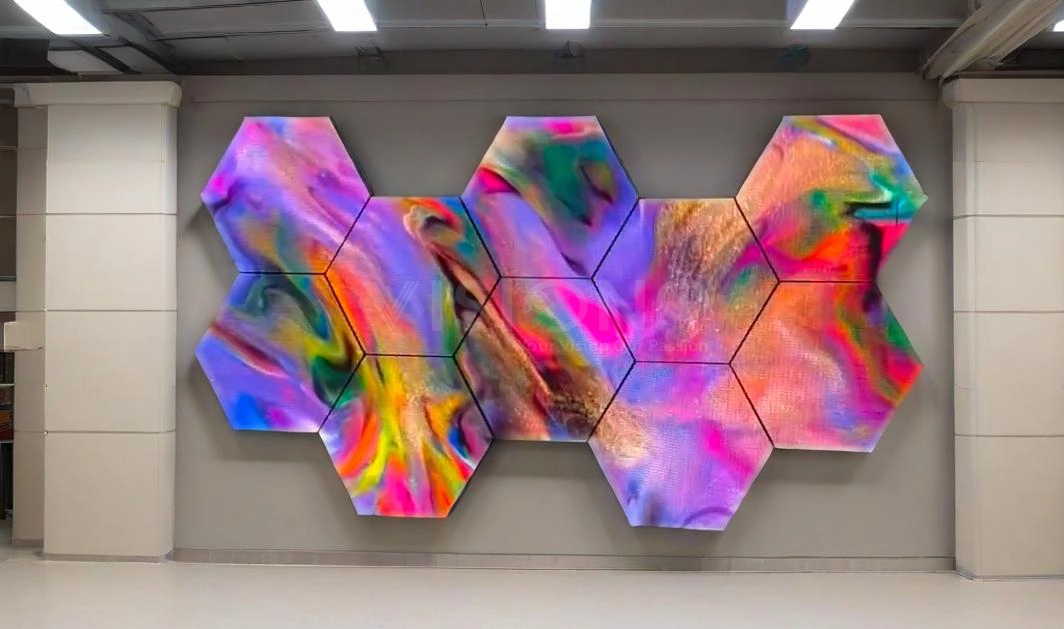
In the era of immersive branding, the NSE Hexagon LED Display redefines spatial storytelling through its modular honeycomb technology. Unlike traditional square panels, these precision-engineered hexagonal modules unlock infinite design possibilities for architects and marketers alike.

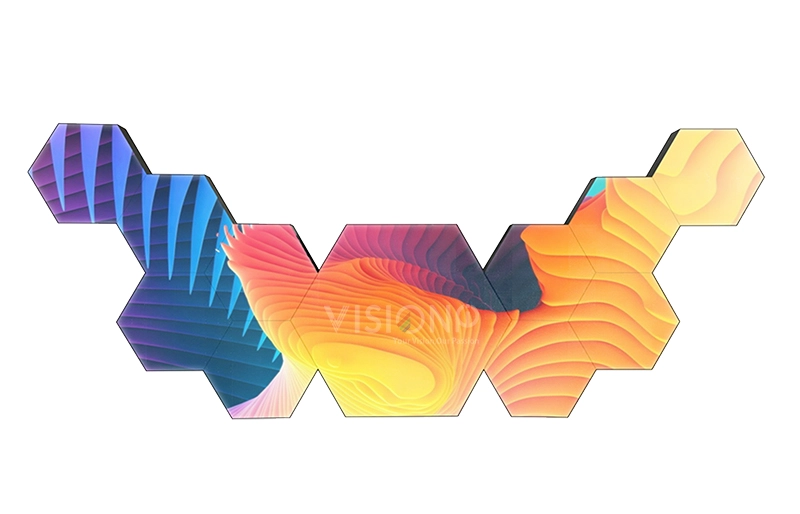
hexagon led display creative design

Competitive Advantages of Hexagon LED Screens

Shape-Shifting Versatility

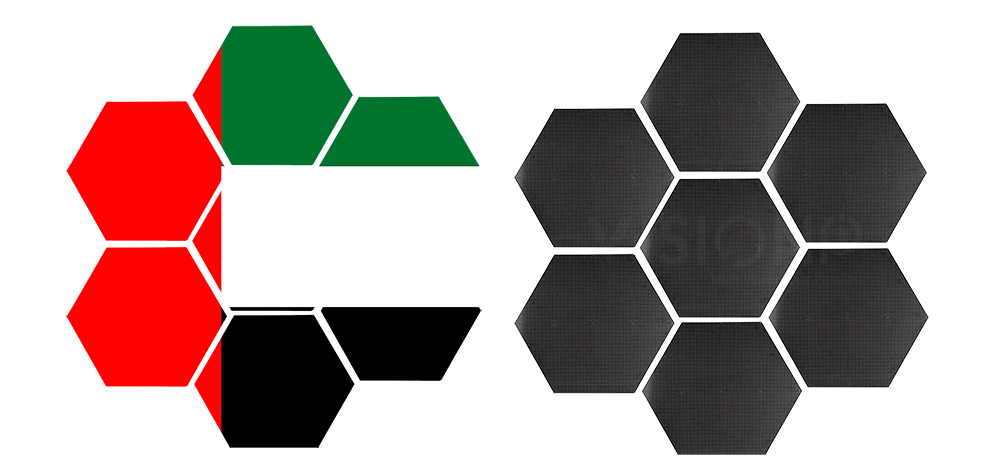
    • Connect 200+ modules to create organic shapes (flowers, molecules, abstract art)
    • Dual installation modes: semi-permanent (wall/ceiling) or mobile truss systems

Plug-and-Play Intelligence

  • Synch content via Novastar/Linsn control systems
  • Supports 2D/3D formats with <5ms latency

Pixel-Perfect Clarity

      • 1.9mm~3.9mm pixel pitch options
      • 1500nits brightness with anti-glue front maintenance

    Where Hexagon LED Screens Create Maximum Impact

    Corporate Identity Amplifiers

    Turn company lobbies into brand galaxies:

    • Auto-adjusting “Team Achievement Walls”
    • Responsive culture-timelines triggered by visitor movement
      office hexagon led display company culture display
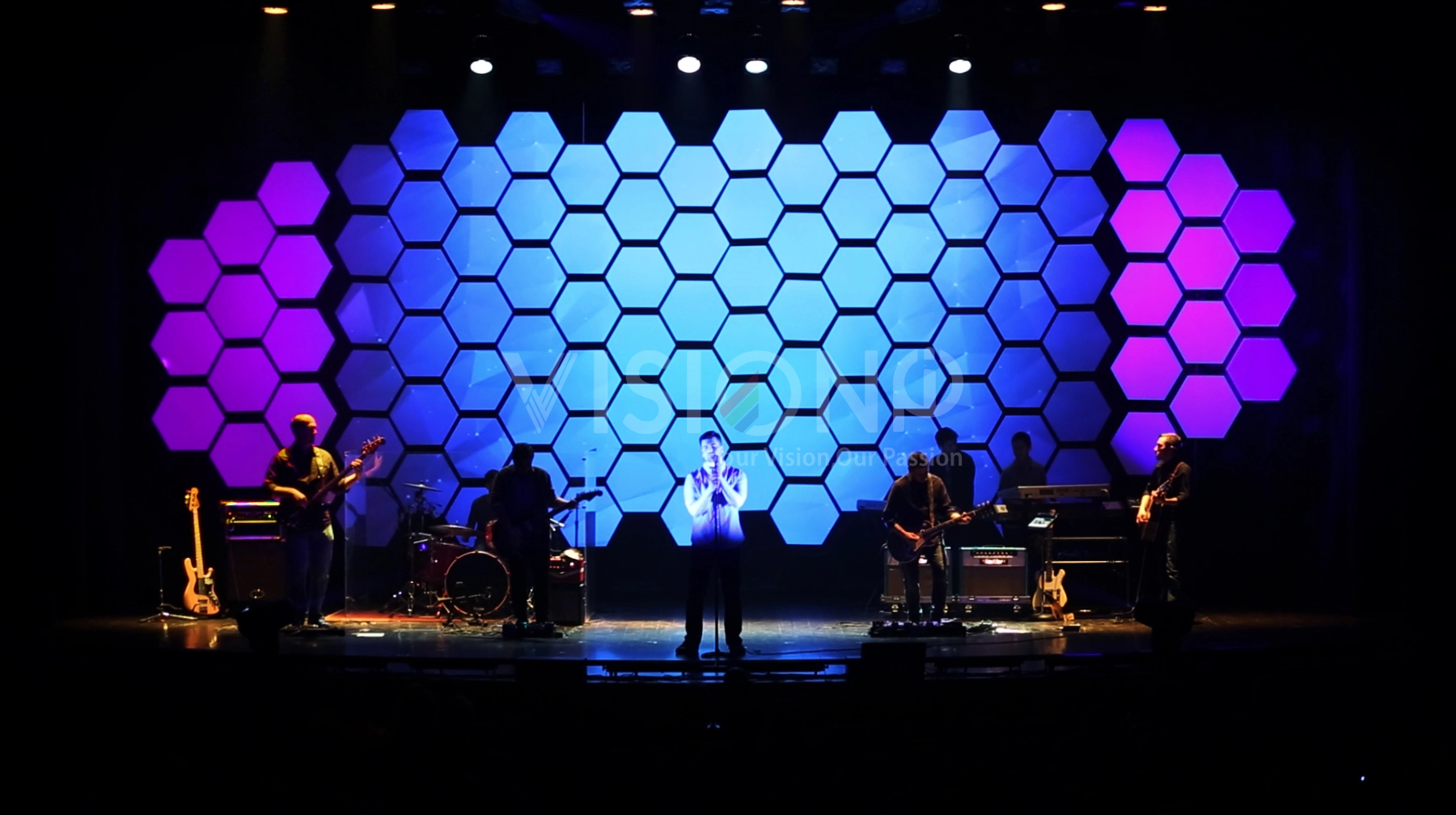
      bee comb led display stage bar

      Stage Design Revolution

      Concert/Event Applications:

      • Holographic backdrops (270° viewing)
      • Real-time social media visualizers
      Bee comb led display hexagon

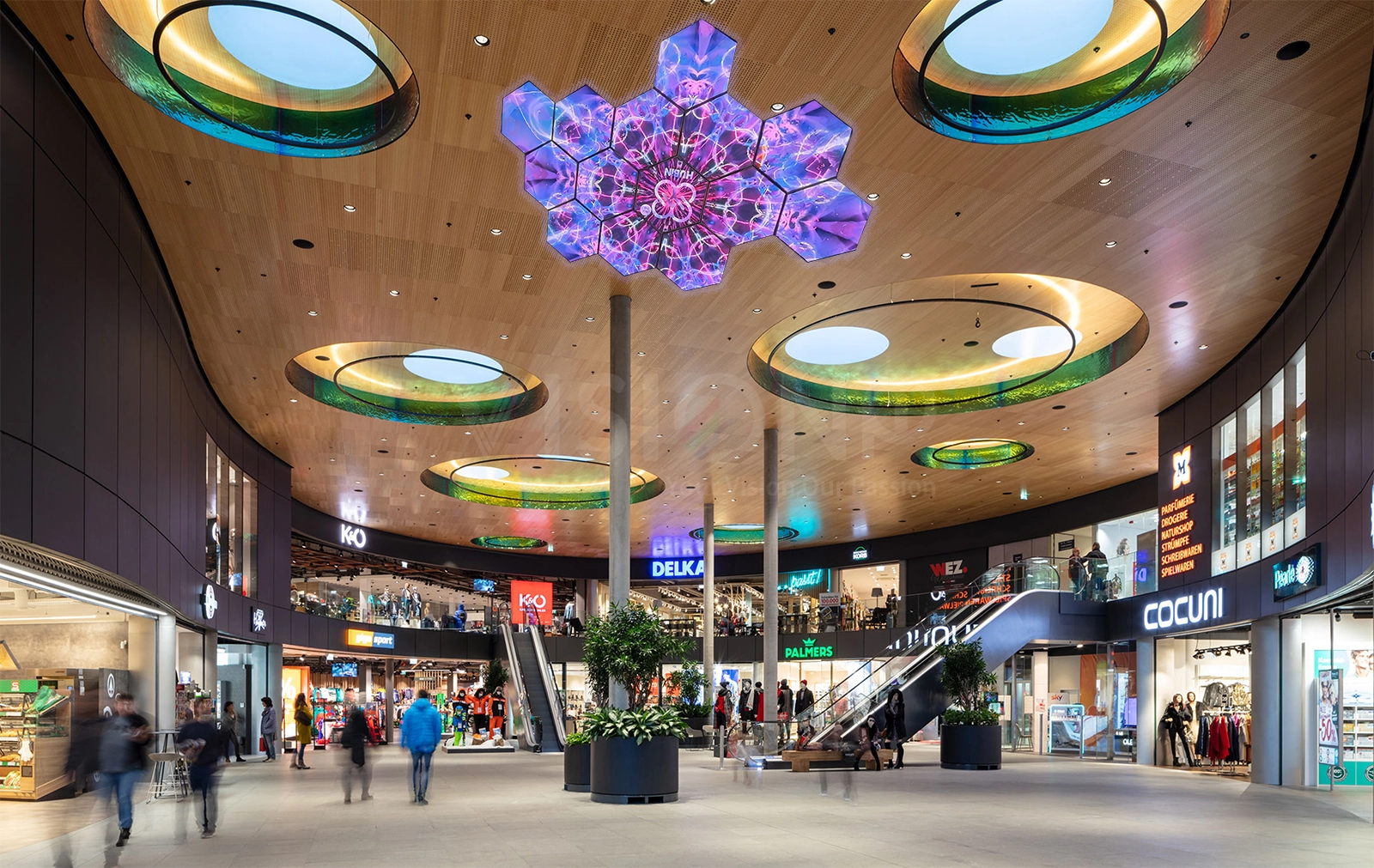
      Retailtainment Powerhouse

      Mall atriums transformed with:

      • Floating product constellations (26%↑ dwell time)
      • AI-powered gesture-controlled catalogs
      hexagon bee comb led display shopping mall advertising
      hexagon led display ceiling decoration

      Ready to Captivate Your Audience?

      ↓ Limited Stock Alert: Book Your Hexagon LED Prototype Today ↓

      LED Display repairing PCB Circuit Pad

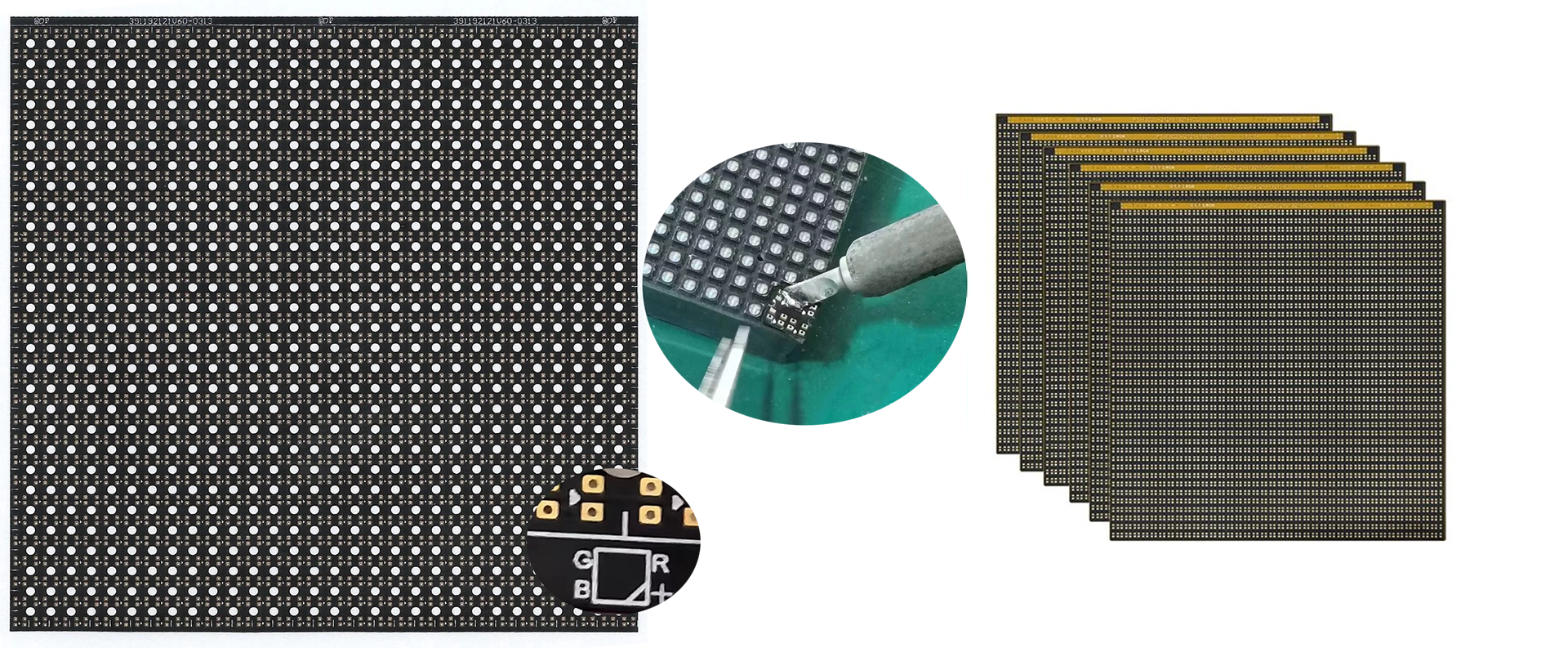
      LED display modules circuit pad paper repairing tools

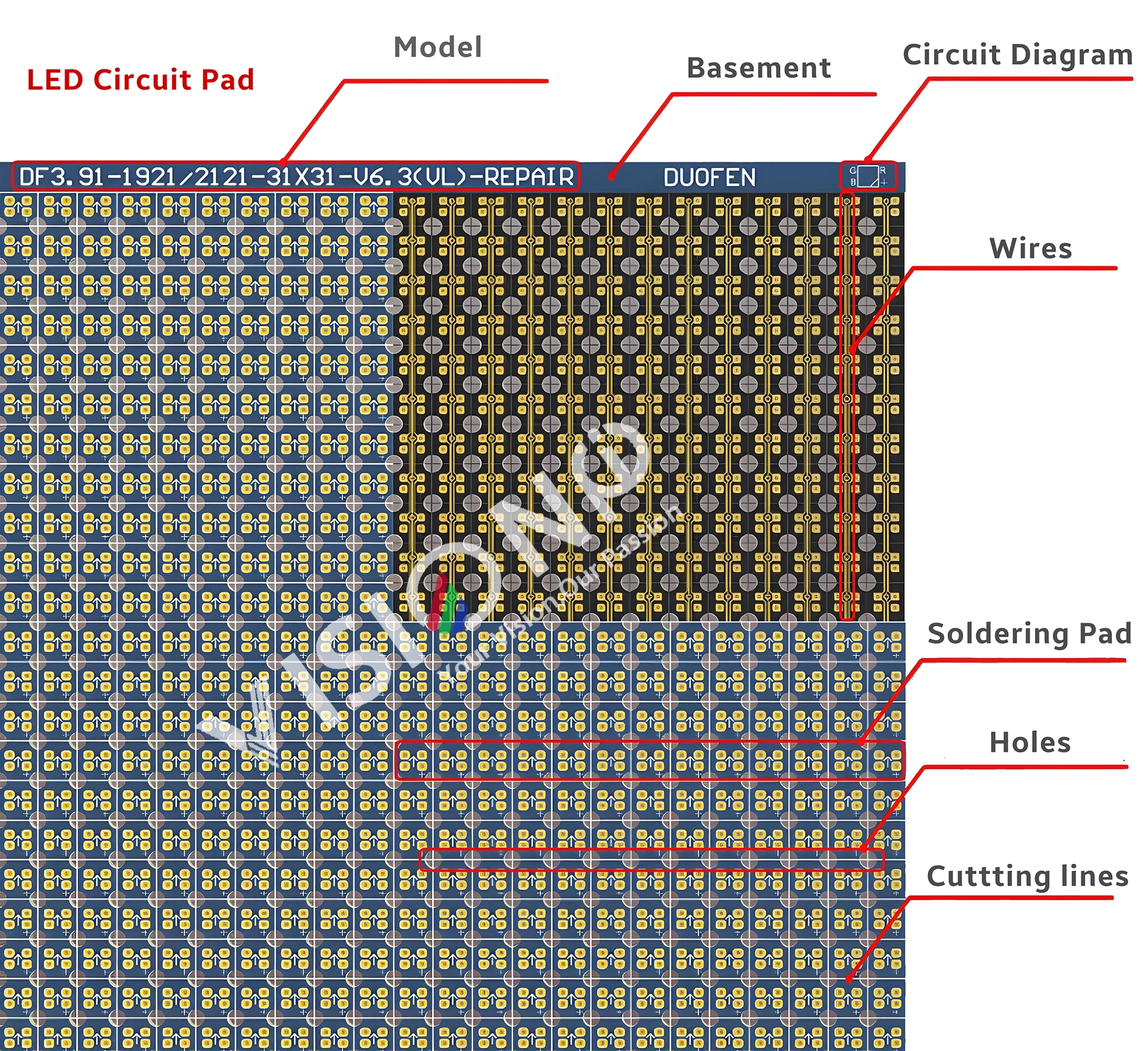
      Circuit paper, a specialized double-layer flexible circuit board with a thickness ranging from 0.08 to 0.1 mm, is essential for repairing damaged PCB pads in LED modules. Its components include screen printing, base material, pads, holes, wires, and cutting lines. During installation, disassembly, or transportation, LED displays may suffer collisions leading to PCB pad detachments. In such scenarios, circuit paper serves as an effective repair solution.

      Table of Contents
      ;
      3

      Selecting Appropriate Circuit Paper for your LED Modules

      To ensure compatibility and functionality, consider the following factors when choosing circuit paper:

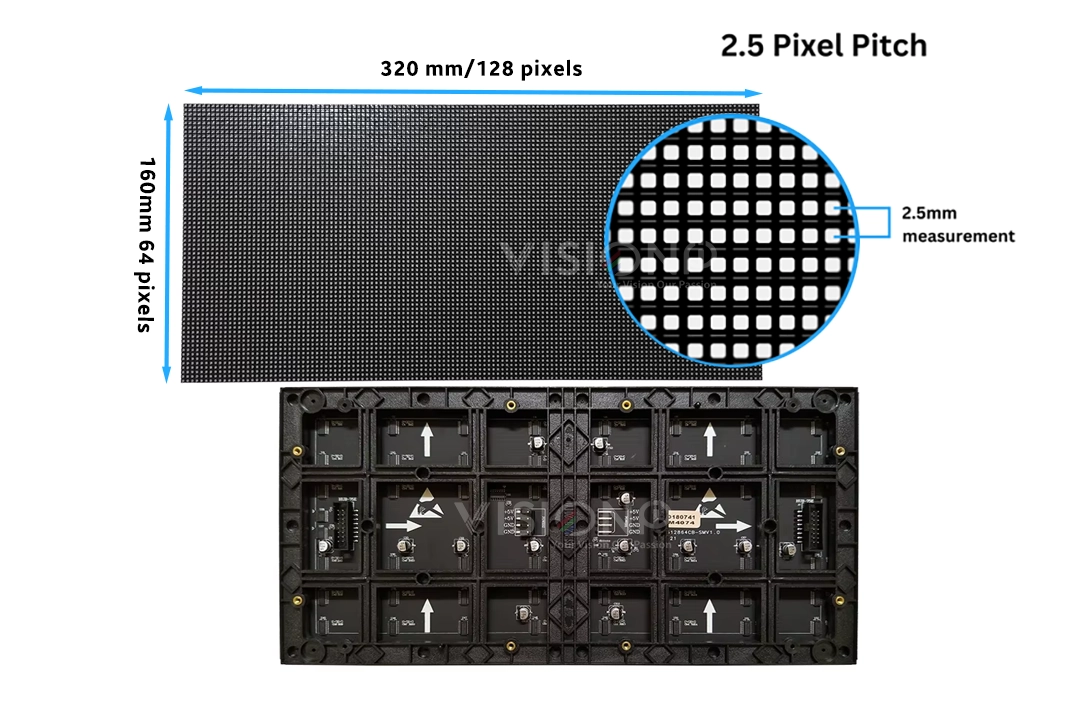
      1. Pixel Pitch Consistency: The pixel pitch of the circuit paper must match that of the original LED module. Pixel pitch refers to the distance between the centers of two adjacent pixels, typically measured in millimeters. A consistent pixel pitch ensures uniformity in display resolution and image quality. citeturn0search8
      2. LED Bead Specifications: Align the specifications of the LED beads on the circuit paper with those on the original module. This alignment is crucial for maintaining consistent brightness, color, and overall visual performance.
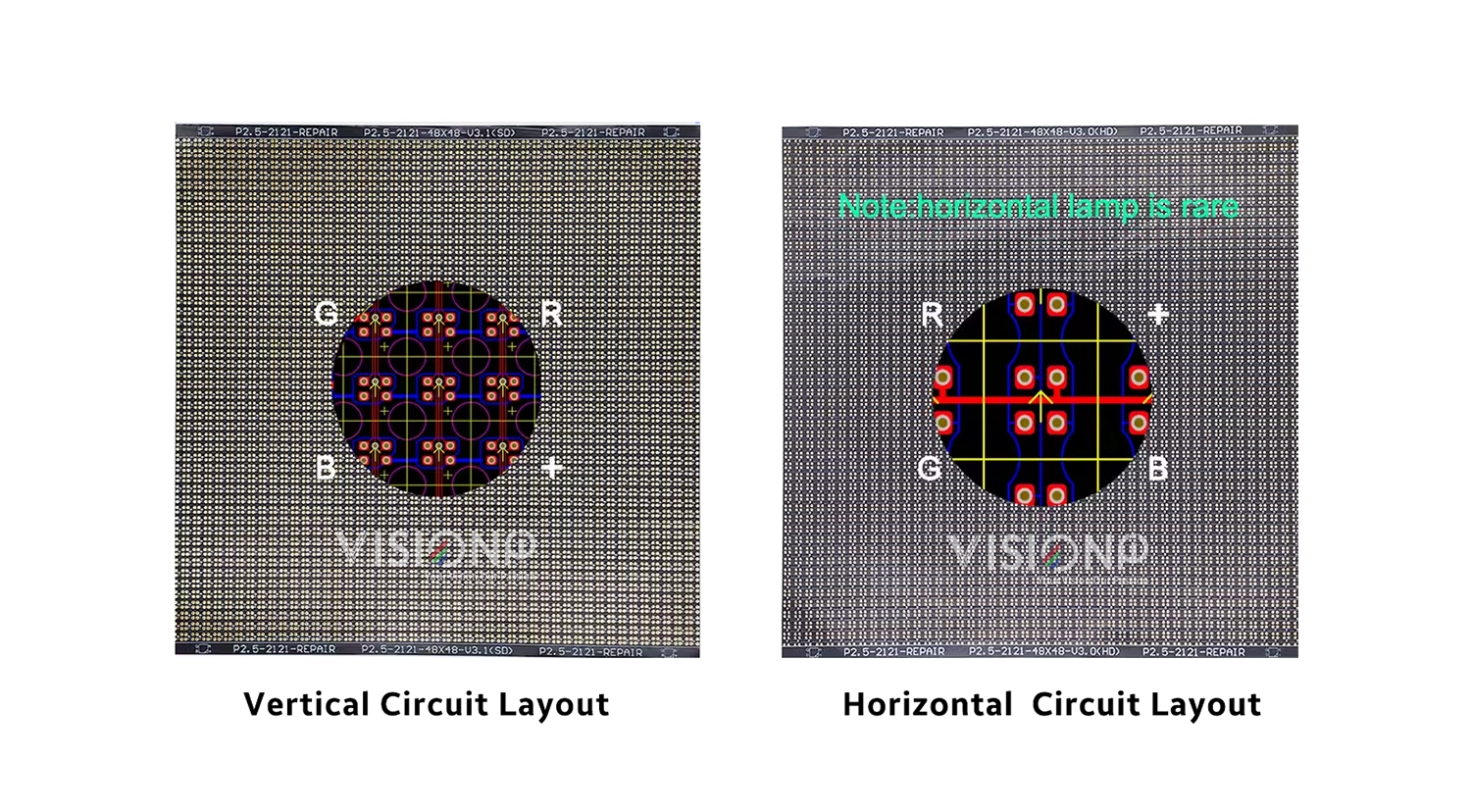
      3. Lamp Orientation: LED modules can feature vertical or horizontal lamp orientations, with vertical lamps being more prevalent. It’s imperative to select circuit paper that matches the lamp orientation of the original module to ensure proper alignment and functionality.


      soldering pad, pcb circuit pad paper repairing led modules

      Measuring LED Module Pixel Pitch

      Accurate measurement of the pixel pitch is vital for selecting compatible circuit paper. Follow these steps:

      1. Measure Module Width (W): Using a caliper, determine the horizontal dimension of the LED module.
      2. Count Horizontal LED Beads (N): Tally the number of LED lamp beads along the horizontal axis.
      3. Calculate Pixel Pitch (P): Apply the formula P = W / N to compute the pixel pitch. Ensure numerical accuracy to three decimal places for precision.
      calculated the pixel pitch of the led modules

      Determining LED Bead Specifications

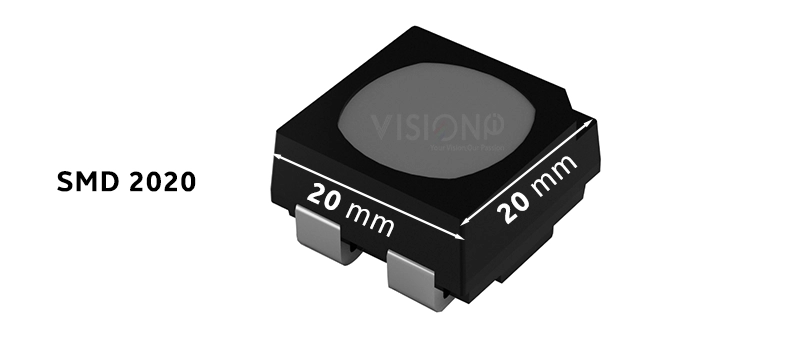
      To identify the size of surface-mount device (SMD) LED beads:

      1. Measure Horizontal Dimension (X): Use a caliper to measure the LED bead’s width.
      2. Measure Vertical Dimension (Y): Similarly, measure the LED bead’s height.
      3. Specify LED Bead Size: Document the specifications as SMD (X×Y), indicating the precise dimensions.
      LED DISPLAY SMD SIZE 2020

      Differentiating Vertical and Horizontal Lamps

      Understanding the distinction between vertical and horizontal lamps is essential for proper circuit paper selection. Vertical lamps are more commonly used and have specific structural orientations compared to horizontal lamps. Choosing circuit paper that matches the lamp orientation of the original module ensures seamless integration and optimal performance.

      honrizontal circuit pad paper and veritial circuit pad paper

      Application of Circuit Paper

      To effectively use circuit paper in repairing PCB pads:

      1. Prepare Tools and Materials: Gather necessary items such as an anti-static bracelet, soldering iron, hot air gun, multimeter, tweezers, tin wire, solder paste, scissors, screwdriver, LED beads, circuit paper, and integrated circuits (ICs).
      2. Clean the Damaged Pad: Gently scrape the damaged PCB pad with a blade and clean it with alcohol to prevent potential short circuits when applying the circuit paper.
      3. Cut and Tin the Circuit Paper: Trim the circuit paper to the required size and apply a thin layer of tin to both sides of the pad. This step ensures a secure connection without causing short circuits due to excessive tin.
      4. Attach the Circuit Paper: Set the soldering iron to approximately 320°C. Using tweezers, position the tinned circuit paper over the PCB pad, ensuring correct alignment of common poles. Gently press and heat with the soldering iron or hot air gun to fuse the circuit paper with the PCB pad.
      5. Test and Solder LED Beads: Power the module, display a full white screen, and adjust brightness to a comfortable level. Solder the appropriate LED beads onto the circuit paper, ensuring correct polarity. Use a multimeter to verify proper connections before finalizing the soldering.
      6. Finalize the Repair: After successful testing, apply glue to the repaired area to secure the LED beads. Note that indoor modules may not require glue filling.

      By meticulously following these guidelines, technicians can ensure precise repairs of LED display PCB pads, maintaining the display’s integrity and performance.

      ? Need Precision Soldering Pads for LED Displays?
      Ensure flawless connections with industry-grade soldering pads:
      ? Chat with Our PCB Engineers Now!
      ? WhatsApp Us

      Auditorium LED Screen

      LED Display For Auditorium

      Auditoriums are venues where large audiences gather to enjoy various types of performances, such as concerts, plays, musicals, lectures, and ceremonies. To enhance the visual experience of the spectators, auditoriums need to have high-quality display screens that can show clear and vivid images, videos, and texts. LED screens are the ideal choice for auditoriums, as they offer many advantages over traditional projection screens.

      Why are LED screens better than projection screens for auditoriums?

       LED screens have several benefits over projection screens for auditoriums, such as:

      • Higher brightness and contrast: LED screens can emit light directly, while projection screens rely on reflected light from a projector. This means that LED screens can achieve higher brightness and contrast levels, making them more visible and attractive in bright or dark environments. LED screens can also adjust their brightness automatically according to the ambient light, ensuring optimal viewing conditions at all times.
      • Wider viewing angle and color gamut: LED screens can provide a wider viewing angle and color gamut than projection screens, which means that they can display more colors and details, and they can be seen from different angles and distances without distortion or color loss. LED screens can also support high-definition (HD) and ultra-high-definition (UHD) resolutions, delivering sharper and smoother images.
      • Longer lifespan and lower maintenance: LED screens have a longer lifespan and lower maintenance costs than projection screens, as they do not require bulbs, filters, or lenses that need to be replaced or cleaned regularly. LED screens are also more durable and resistant to dust, moisture, and temperature changes, making them suitable for indoor and outdoor applications.
      • More flexibility and creativity: LED screens can offer more flexibility and creativity than projection screens, as they can be customized to fit any size, shape, and curvature of the auditorium. LED screens can also be integrated with other elements, such as lighting, sound, and stage design, to create immersive and interactive experiences for the audience.

      How to choose the best LED screen for your auditorium

      Full-colour auditorium LED screens, LED curtains, and LED mesh can also make a very effective backdrop for the stage, the content of which can be changed with every event at the click of a button. Cylindrical LED video walls which can be viewed from all directions can be artistically placed in the center of the room.

      There are many factors to consider when choosing the best LED screen for your auditorium, such as:

      640 indoor led display visionpi

      Fixed installation

      xr led rental display

      Rental & Mobile

      led transparent display

      Transparent LED

      The type and purpose of the performance: The type and purpose of the performance will determine the content and format of the LED screen. You need to consider the genre, style, and theme of the performance, and the message and mood you want to convey to the audience. You also need to consider the frequency, duration, and schedule of the performance,and how they will affect the operation and management of the LED screen.

      • Rental & Mobile Type could move from one hall to another from times to times,
      • Fixed installation. Fixed mounted led screen will be permantly installed,to general cost will be lower and with higher Resolution. Pixel pitch usually from 1.2 to 2.5mm.
      • Transparent led display. When there is lighting behind the led wall, or the space is limited. transparent led display will be a good option . Hower ther resolition is lower than normal led screen, if the screen size is not big enough.
      Auditorium led display indoor stage copy
      Auditorium Transparent led display stage copy
      led stage for auditorium

      The size and layout of the auditorium.

      The size and layout of the auditorium will determine the optimal size, shape, and position of the LED screen. You need to consider the dimensions, height, and distance of the stage, the seating capacity and arrangement, and the sight lines and viewing angles of the audience. You also need to consider the acoustics, lighting, and ventilation of the auditorium, and how they will affect the performance and installation of the LED screen.

      The budget and resources of the project.

      The budget and resources of the project will determine the quality and quantity of the LED screen. You need to consider the cost, availability, and reliability of the LED screen, and the return on investment (ROI) and value for money (VFM) you can expect from it. You also need to consider the installation, operation, and maintenance of the LED screen, and the technical support and service you can get from the supplier.

      LED Display Parameters.

      Refresh rate

      The refresh rate of an LED screen is the number of times per second that it updates the image on the display. The higher the refresh rate, the smoother and clearer the motion on the screen. A high refresh rate screen can reduce flickering and ghosting effects, which can cause eye strain and fatigue. You should look for a screen with a high refresh rate, preferably above 2880 Hz if the led screen is going to be taken video by the audience.

      led display refresh rate
      • Color gamut

        The color gamut of an LED screen refers to the range of colors that it can display. The wider the color gamut, the more colors and shades that the screen can reproduce. A wide-color gamut screen can show more realistic and natural colors than a narrow-color gamut screen. You should look for a screen with a wide color gamut, preferably covering at least 85% of the DCI-P3 color space. However, you should also check for color accuracy, as some screens may have a wide color gamut but poor color calibration.

      Glass transparent LED display

      What is a transparent LED display?

      A transparent LED display is a type of LED screen that allows light to pass through, creating a stunning visual effect that can attract attention and impress viewers. Unlike traditional LED screens that block the view behind them, transparent LED displays offer a high level of transparency, typically between 70% and 95%, that enables you to see through the screen and the content displayed on it.

      Transparent LED displays are ideal for applications where you want to showcase your products or services without compromising the natural light or the aesthetics of your space. They can be used for various purposes, such as:

      • Window advertising: You can turn your glass windows into eye-catching digital billboards that can display dynamic and interactive content, such as images, videos, animations, text, and more. Transparent LED displays can help you increase your brand awareness, attract more customers, and stand out from your competitors.
      • Stage design: You can create stunning visual effects for your stage performances, concerts, events, or exhibitions by using transparent LED displays as backdrops, curtains, or props. Transparent LED displays can help you enhance the atmosphere, create immersive experiences, and wow your audience.
      • Architectural decoration: You can add a touch of elegance and innovation to your building facade, lobby, elevator, or any other glass surface by using transparent LED displays as decorative elements. Transparent LED displays can help you showcase your creativity, add value to your property, and make a lasting impression.

      Transparent LED display features

      A transparent LED display consists of LED panels that are made of transparent materials, such as glass or acrylic. The LED panels are connected by cables or magnets to form a larger screen that can be customized to fit any size or shape. The LED panels have a high density of pixels that emit light when electric current passes through them. The pixels are arranged in a grid pattern that creates gaps between them, allowing light to pass through.

      Some of the main features of transparent LED displays are:

      • High brightness: Transparent LED displays can produce bright and vivid colors that can be seen clearly even under direct sunlight. They have a wide viewing angle that ensures optimal visibility from different directions.
      • High resolution: Transparent LED displays have a high pixel pitch, which means they have a large number of pixels per unit area. This results in a high resolution that ensures sharp and clear images and text.
      • High refresh rate: Transparent LED displays have a high refresh rate, which means they can update the content displayed on them quickly and smoothly. This prevents flickering, ghosting, or lagging issues that can affect the quality of the display.
      • Low power consumption: Transparent LED displays have a low power consumption compared to traditional LED screens. They use less electricity and generate less heat, which reduces the operational costs and the environmental impact.
      holographic transparent led

      Outdoor Transparent LED Display

      led-strip-facade-display
      led-mesh-transparent-meida-facade-display
      waterproof outdoor transparent led display_

      LED Strip Type

      LED Mesh type

      Die-casting Aluminum

      adhisive-window-transparent-led-display

      indoor Transparent LED Display

      adhisive transparent led display<br />
      window Transparent led screen

      Adhesive Type 

      Side-emitting 

      invisible holographic

      window-transparent-led-display

      Cutomized Transparent LED Display

      transparent led poster copy

      How to choose a transparent LED display 

      If you are interested in buying a transparent LED display for your business or personal use, there are some factors that you should consider before making your decision. Some of these factors are:

      • Size and shape: You should measure the dimensions of the space where you want to install your transparent LED display and choose a size and shape that fits your needs. You can also opt for customized solutions that can match your specific requirements.
      • Installation method: You should decide how you want to install your transparent LED display, whether you want to hang it from the ceiling, mount it on the wall, or integrate it into the glass structure. You should also check the weight and thickness of the transparent LED display and make sure it is compatible with your installation method.
      • Content management system: You should choose a content management system that allows you to control and update the content displayed on your transparent LED display easily and conveniently. You should also check the compatibility and connectivity options of the content management system with your devices and networks.
      • Quality and warranty: You should choose a transparent LED display that has a high quality and durability that can withstand different weather conditions and external factors. You should also check the warranty period and service policy of the transparent LED display provider and make sure they offer reliable after-sales support.


      Subscribe To Our Newsletter

      Join our mailing list to receive the latest news and updates from our team.

      You have Successfully Subscribed!

      Pin It on Pinterest