LED Display Refresh Rate and Frame Rate

Unlocking the Secrets of LED Display Refresh Rate

In the realm of LED displays, the refresh rate stands as a pivotal aspect that significantly impacts the visual experience. This comprehensive guide delves into the nuances of LED display refresh rates, frame rates, and the optimal settings for various applications. Whether you’re engaging with LED displays for professional video production, broadcasting, or XR (extended reality) filmmaking, understanding these concepts can dramatically enhance the quality of your visual output.

What is Refresh Rate?

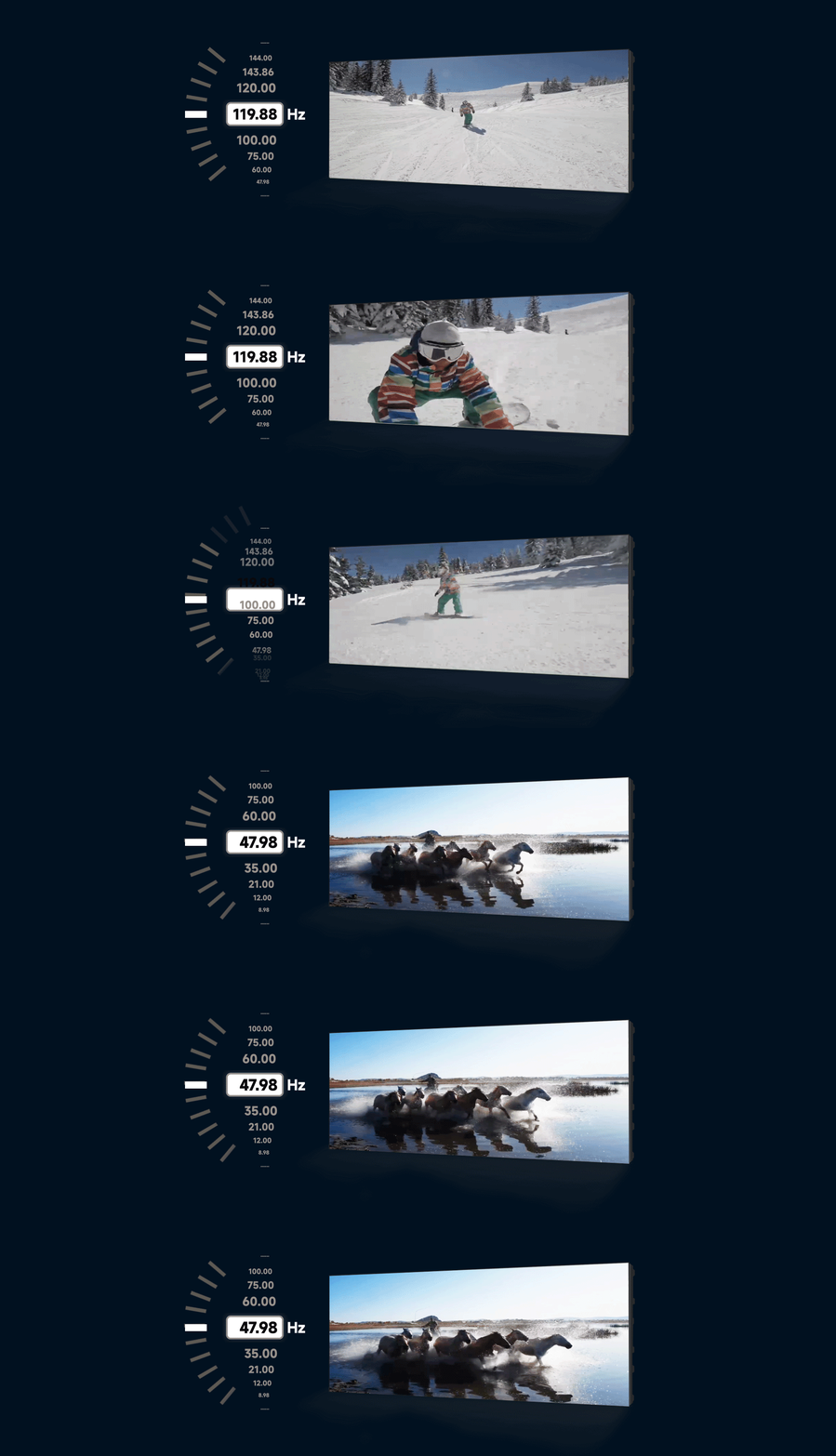
The refresh rate of an LED display is the frequency at which the content on the screen is updated per second, measured in Hertz (Hz). A higher refresh rate means that the content is updated more frequently.

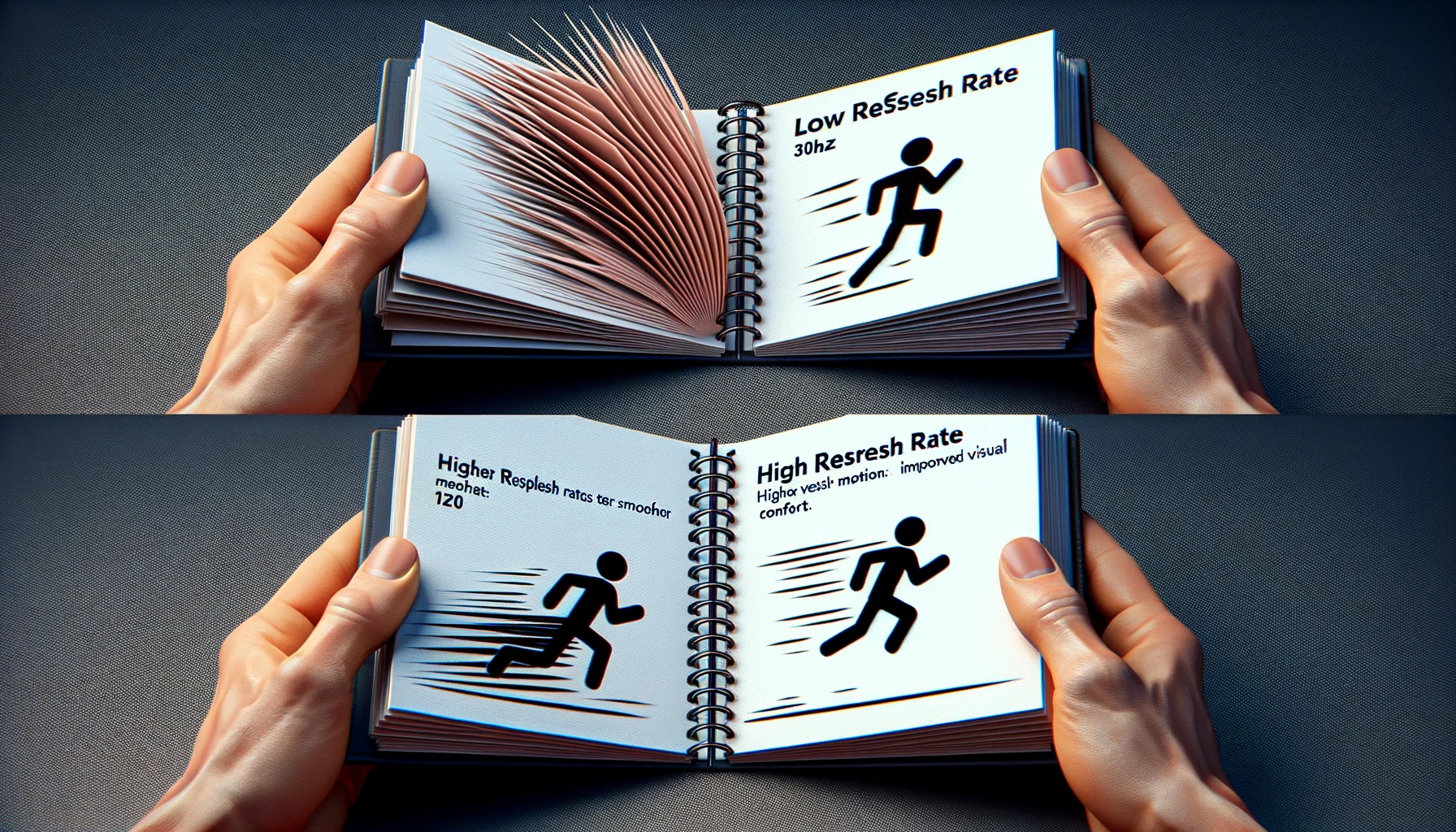
To put it simply, the LED display can be compared to a flipbook, where each page represents a frame on the display. The refresh rate determines how quickly the pages are flipped through in one second. Increasing the refresh rate results in smoother motion for displayed animations or videos.
what is refresh rate led display

Why Refresh Rate Matters?

In the context of LED displays, a higher refresh rate is particularly important for:

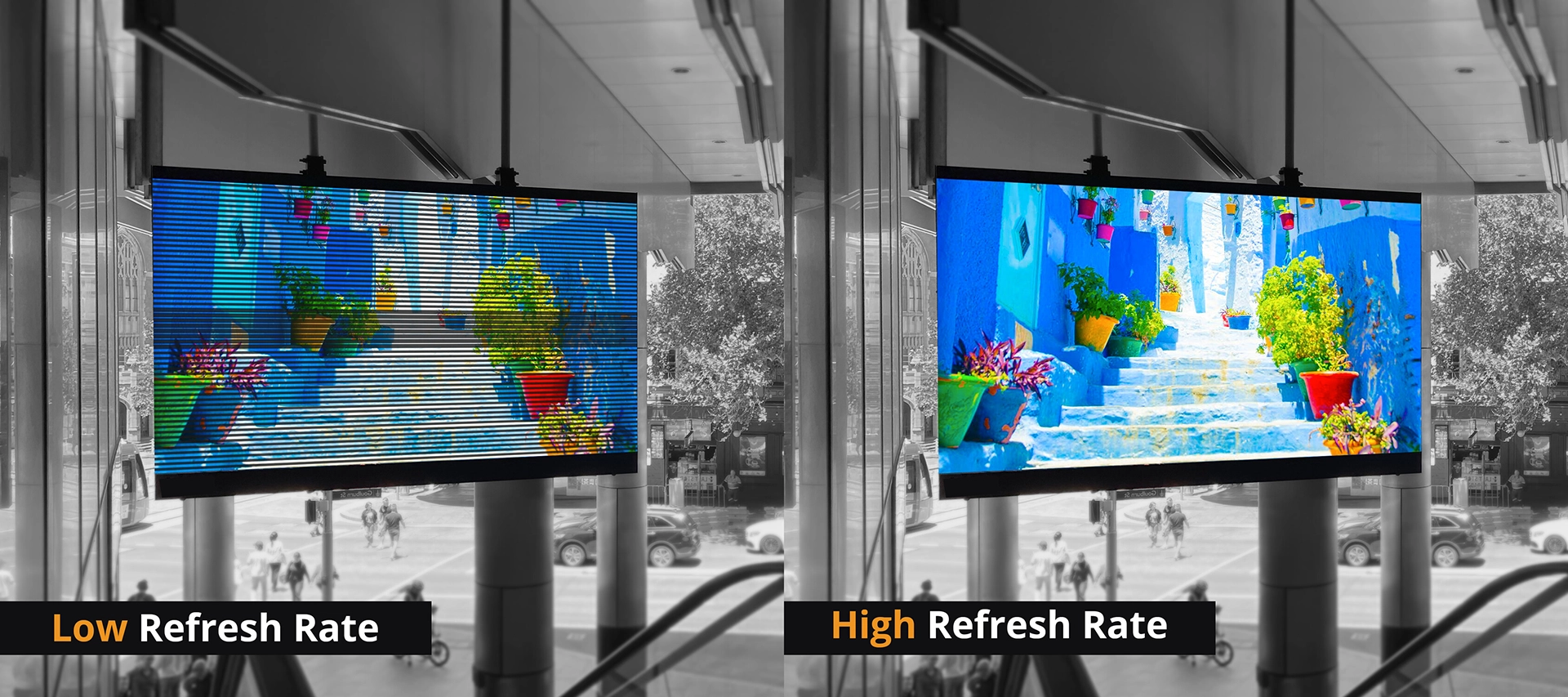
Reducing Flicker: At lower refresh rates, the human eye can perceive flickering, which can be uncomfortable or even cause eye strain over time. A higher refresh rate minimizes this flickering, producing a more stable image that’s easier on the eyes.

Improving Image Quality: For dynamic content, such as videos or animations, a higher refresh rate ensures smoother motion. This is crucial for maintaining clarity during fast-moving scenes and enhances the viewer’s experience.

Enhanced Performance in Captured Video: When recording video of an LED display (such as during televised events or with smartphones), a high refresh rate helps to prevent the appearance of rolling bands or flickering in the captured footage. This is vital for broadcasters and content creators who demand the highest quality in their productions.

How to increase the refresh rate of an LED display?

1. Evaluate Hardware and Driver IC Compatibility: First, check if the hardware or driver integrated circuit (IC) of your LED screen supports a higher refresh rate. If the current hardware or driver IC does not support the desired refresh rate, consider replacing them with models that do. Look for driver ICs that are known for supporting higher refresh rates.

2. Modify PCB Design or Change Scan Mode: Assess the printed circuit board (PCB) design and consider changing the scan mode to accommodate a higher refresh rate. Another option is to increase the number of driver ICs on the device. This can enhance the device’s processing capability and support for advanced functions, enabling a higher refresh rate.

3. Use High-Quality Driver ICs: Opt for premium and reliable driver ICs, such as ICN2153 and MBI5252, which are known for their performance and capability to support higher refresh rates. It’s crucial to have a good understanding of how these components work or to seek assistance from a professional or the product provider to install them correctly, as improper installation can damage the device.

4. Software Configuration: The software used with the LED screen can significantly impact its refresh rate. Some software may offer limited features and options, restricting the device’s potential for higher performance. Explore software options that allow for adjustments to the refresh rate or provide more advanced control over the display settings.
led display refresh rate

What is the Best Recommended Refresh Rate for led displays?

Choosing the right refresh rate for your LED display depends on the application and the intended use. Here, we break down the best recommended refresh rates for different scenarios:

1920Hz for General Viewing and Non-Camera Interactions: A refresh rate of 1920Hz is ideal for applications where the display is primarily viewed directly without through-the-lens recording. This rate ensures smooth motion for general content, including presentations, digital signage, and other similar applications where camera capture isn’t involved.

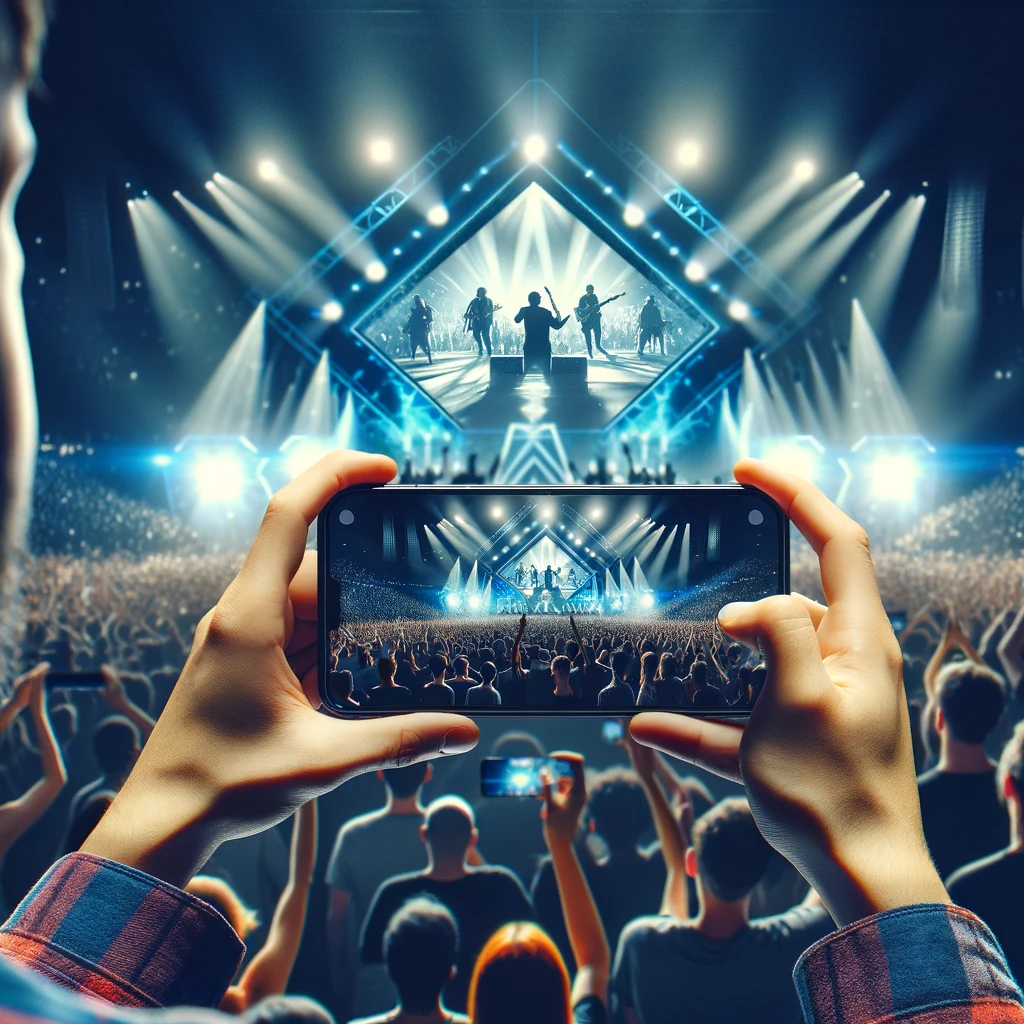
3840Hz for Video Taking and Broadcasting: For scenarios involving camera capture, such as broadcasting or live streaming, a higher refresh rate of 3840Hz is recommended. This rate significantly reduces the risk of flicker and banding when the display is viewed through a camera lens, ensuring that the captured video appears as smooth and clear as the direct visual experience.
no scan line led display high refresh concert

7680Hz for XR Filmmaking and High-End Applications: At the pinnacle of refresh rate requirements, 7680 Hz led display is suited for XR filmmaking and other high-end applications. This ultra-high refresh rate is crucial for eliminating motion blur and maintaining the illusion of reality in virtual and augmented reality environments. It ensures that even the fastest movements are captured with unparalleled clarity, making it indispensable for creating immersive experiences in XR films.
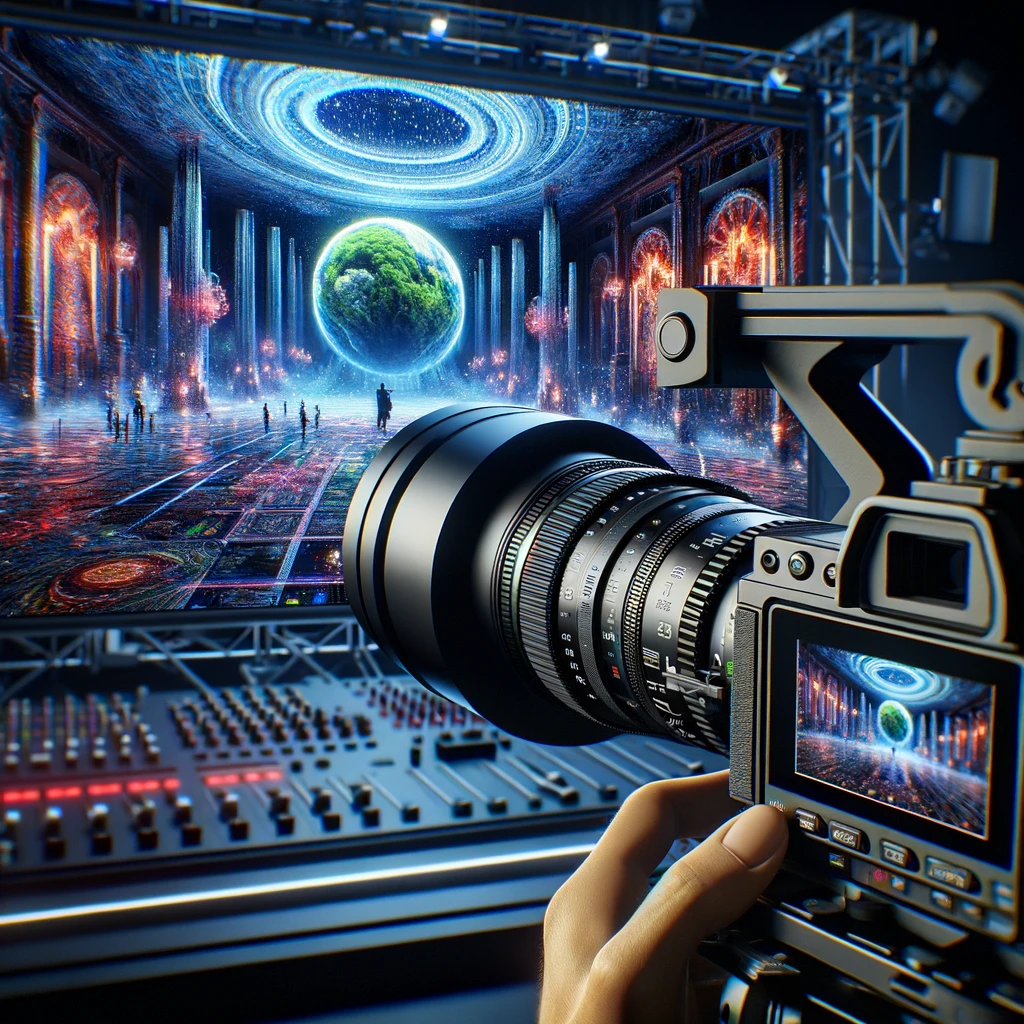
led display for xr filming

Comparision between LED Display Frame Rate and Fresh Rate.

The relationship and difference between the refresh rate and frame rate in the context of LED displays are important concepts in understanding how images are displayed and perceived.

Aspect Refresh Rate Frame Rate
Definition The number of times the display updates its illumination per second. The number of unique consecutive images (frames) displayed per second.
Measurement Measured in Hertz (Hz). Measured in frames per second (fps) or Hertz (Hz).
Purpose To maintain a stable and flicker-free image on the screen. To determine the smoothness of motion in video content.
Impact on View Affects the smoothness and comfort of viewing, particularly for static images or during motion. Directly affects the perception of motion; higher frame rates result in smoother motion.
Dependency A characteristic of the display hardware. A property of the content being displayed.
Optimal Use Higher refresh rates are preferred for reducing eye strain and achieving smoother image transitions. Higher frame rates are preferred for content with fast-moving images to make the motion appear more fluid.
Key Concern Ensuring the refresh rate is high enough to support the perceived smoothness of content. Ensuring the content’s frame rate is compatible with the display’s refresh rate for smooth playback.

How to increase the led display Frame rate to 120hz/240hz 

To increase the frame rate of an LED display, you need to focus on improving several key configurations:

1. Processing Power of the Control Card: The control card is the core component of an LED display, responsible for processing signals and driving the pixels on the screen. Enhancing the processing speed and efficiency of the control card’s CPU can accelerate data processing and signal transmission, thereby increasing the frame rate.

2. Memory Capacity and Speed: The capacity and speed of memory on the control card directly impact the volume of data that can be quickly read and written, which is crucial for high frame rate displays. Enhancing the memory’s read-write speed and expanding its capacity can effectively increase the frame rate.

3. Data Transmission Interface: The speed of data transmission is another key factor in increasing frame rate. Utilizing high-speed data interfaces (such as HDMI 2.1, DP 1.4, etc.) can speed up the transmission of data from the source to the display, which is especially important for achieving high frame rates at high resolutions.

4. Parallel Processing Capability: Increasing the control card’s capability for parallel processing, i.e., the ability to process multiple signals or tasks simultaneously, can significantly increase the frame rate. This can be achieved by using multi-core processors or deploying multiple control cards in the system, which can distribute processing pressure and enhance overall processing speed.

5. Software and Algorithm Optimization: Optimization at the software level is also crucial, including but not limited to more efficient encoding/decoding algorithms, faster image processing algorithms, etc. Optimizing control software and driver programs can reduce processing delays and increase frame rate.

6. Display’s Own Refresh Rate: Although this is not directly related to the control card’s configuration, the physical refresh rate limit of the display itself also determines the upper limit of the frame rate. Even if the control card and other system configurations support a higher frame rate, the display’s own refresh capability must also keep up.

The key to increasing the frame rate of an LED display lies in the optimization of the overall system design, including hardware configuration upgrades and software-level optimizations. In practical applications, these factors should be balanced according to specific display requirements and budget to achieve the best display effects.
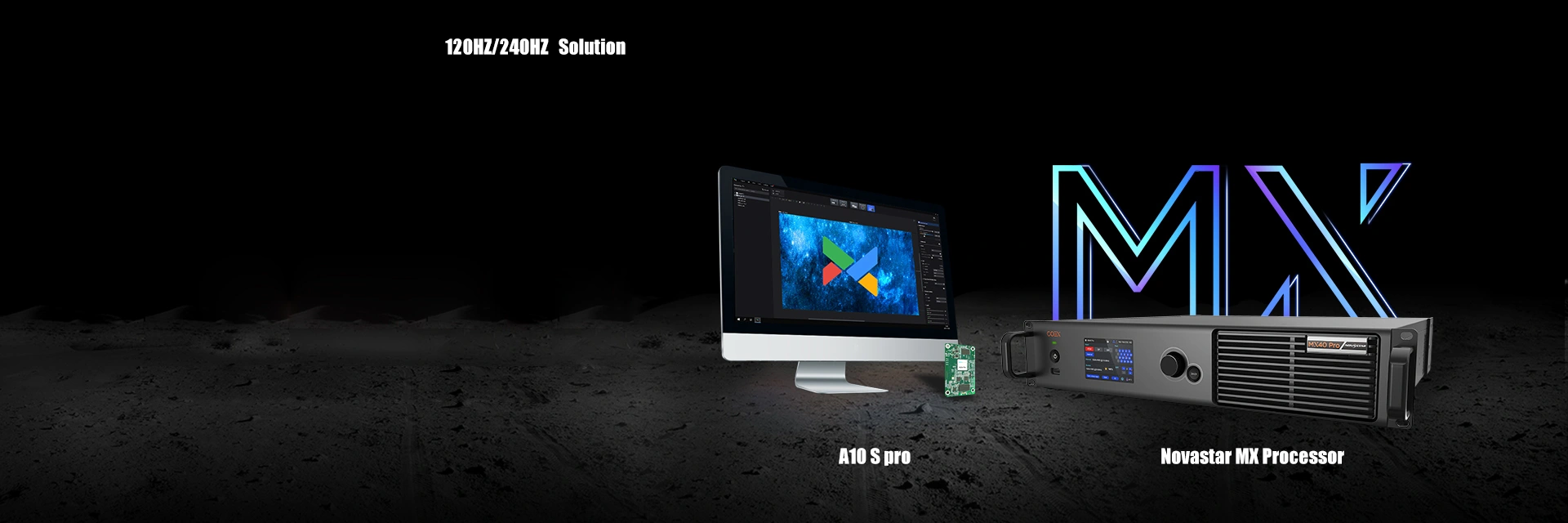
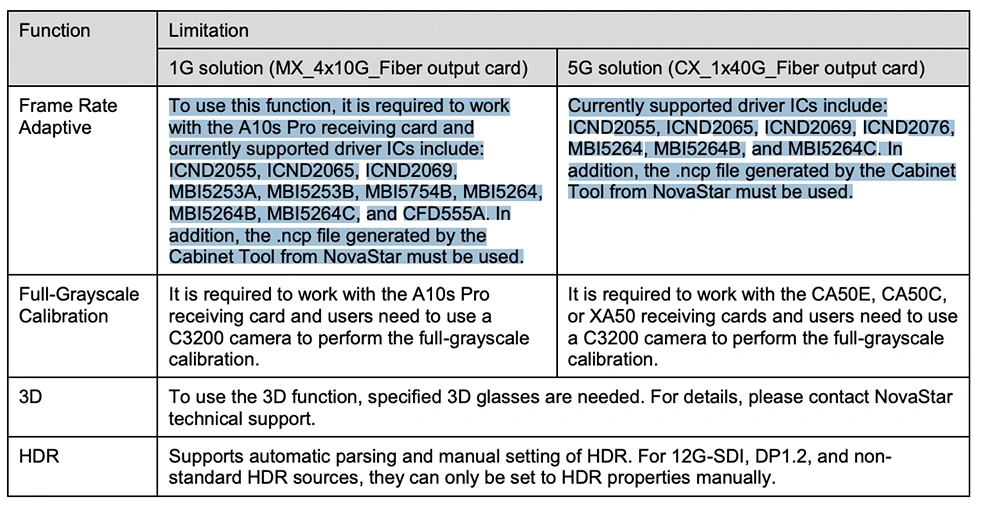
240hz led display solution
novastar 120hz and 240hz solution

Conclusion

Understanding and selecting the appropriate refresh rate for your LED display can make a profound difference in the visual quality of your content. From general viewing to professional filmmaking, tailoring the refresh rate to match the specific demands of your application ensures optimal performance and viewer satisfaction. By considering the explained guidelines, you can elevate your visual projects to new heights, ensuring they captivate and engage your audience with unmatched clarity and smoothness.
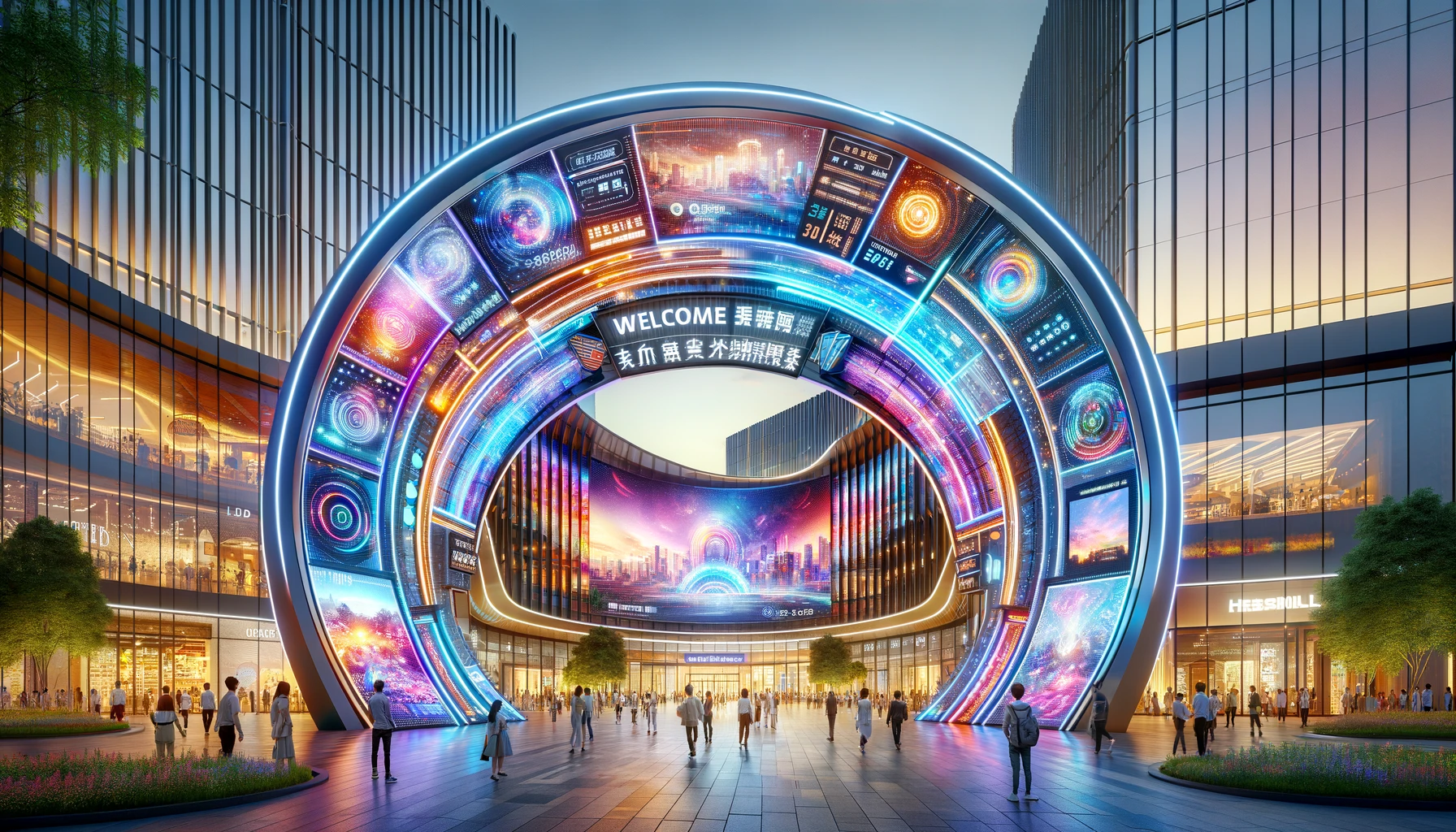
Arch LED Display Screen

Curved LED Display: Light up the curve.

In the ever-changing visual landscape of LED displays, only a few innovations can change how everyone uses light and transforms it into a digital image. One of these developments, the arch LED screen, represents a stylish next step—one that simply looks great while getting the job done. This article discusses the key aspects of LED arch displays, including specifications, design highlights, applications, and development trends.

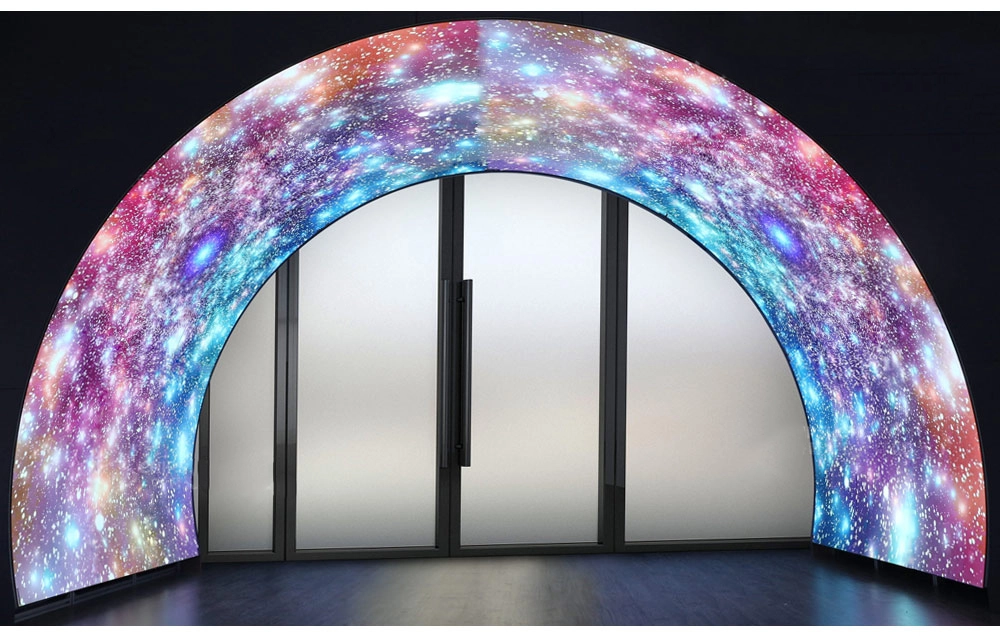
arch led display outdoor hd
arch led display flexible display

Design and Structural Features

Arch LED screens are one of the most creative and structural LED displays. In contrast to flat panels, which do not require high pliability, these displays would require a soft substrate and LEDs that can deform without compromising functionality. This is due to the use of modern materials and refined manufacturing methods that enable the displays to be bent into subtle arcs or formed into full circles. However, the outcome is a display that blends in seamlessly with the surroundings, providing greater depth and engagement than flat panels alone can achieve.

Applications and Use Cases

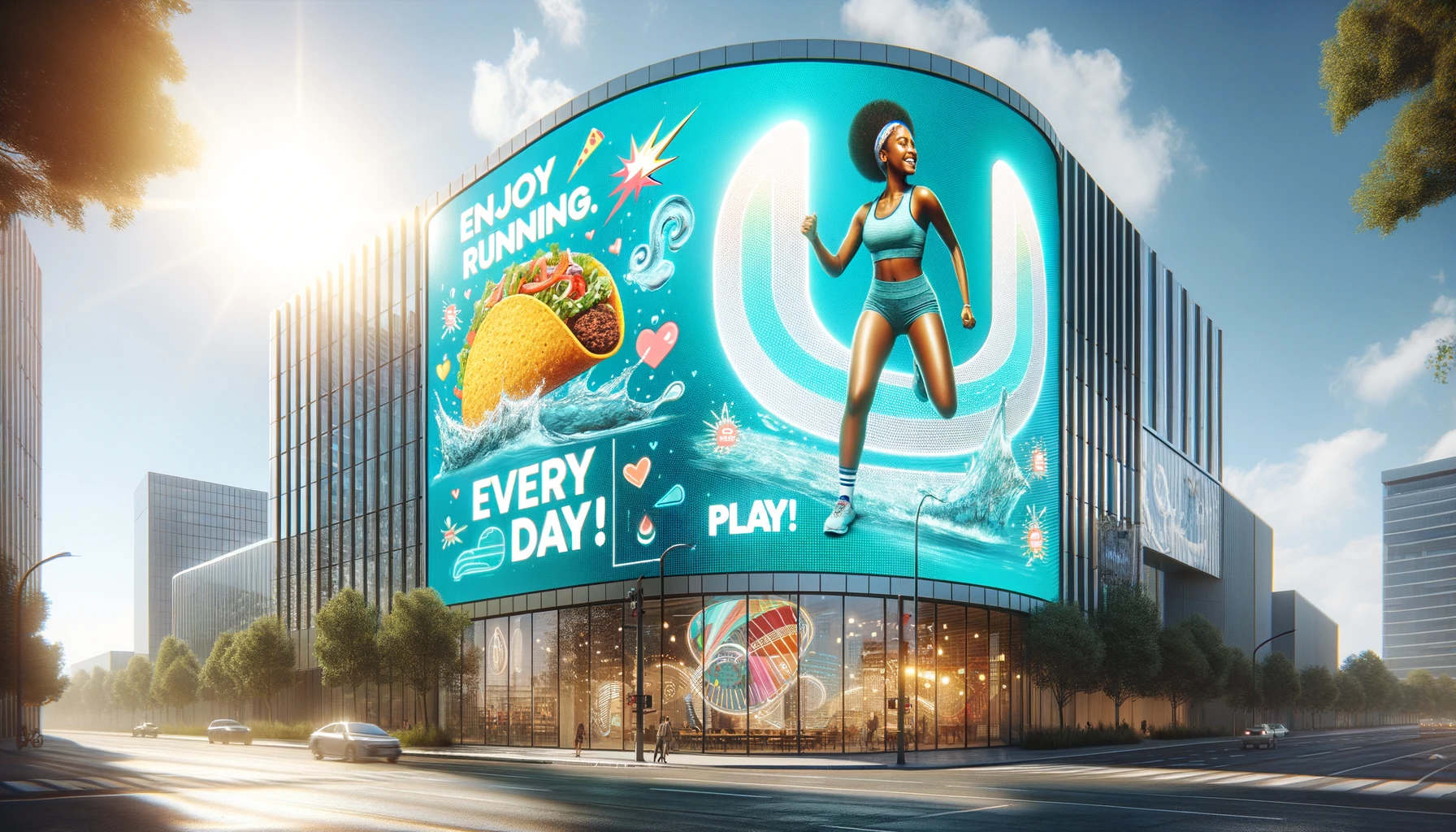
The versatility of arch LED displays has opened up a world of applications across various industries. In retail, they transform storefronts and interiors into dynamic advertising spaces. Entertainment venues, such as concert halls and theaters, use arch displays to create immersive backdrops. Sports stadiums and arenas employ them to enhance the spectator experience with vivid, wraparound visuals. Public installations, including airports and subway stations, also leverage these displays for both informational and aesthetic purposes.

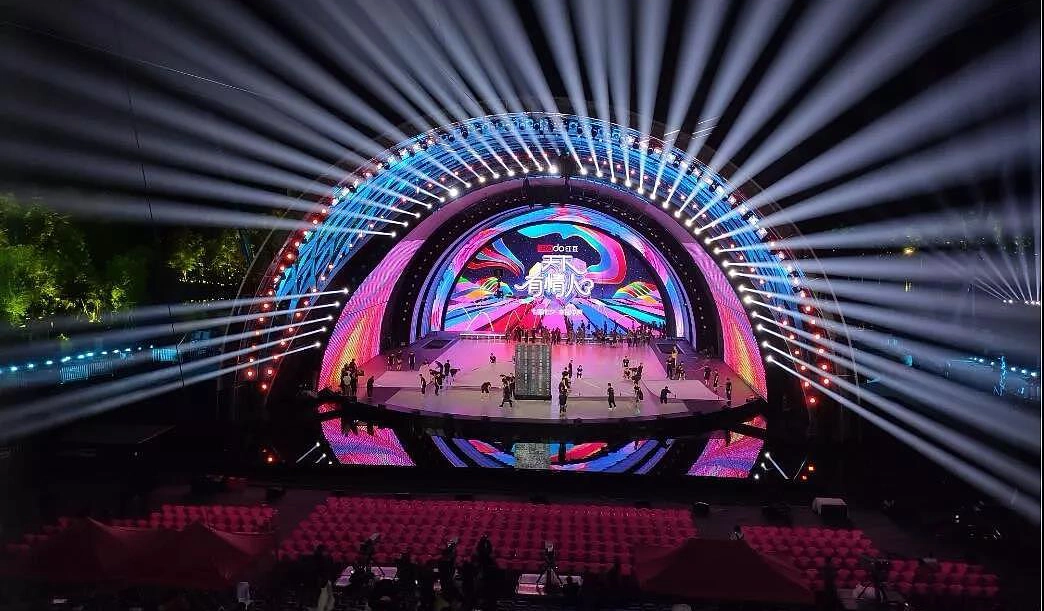
Arch LED Display for stages

arch led display stage

Arch LED Display for outdoor

arch led display customized for entrance door outdoor

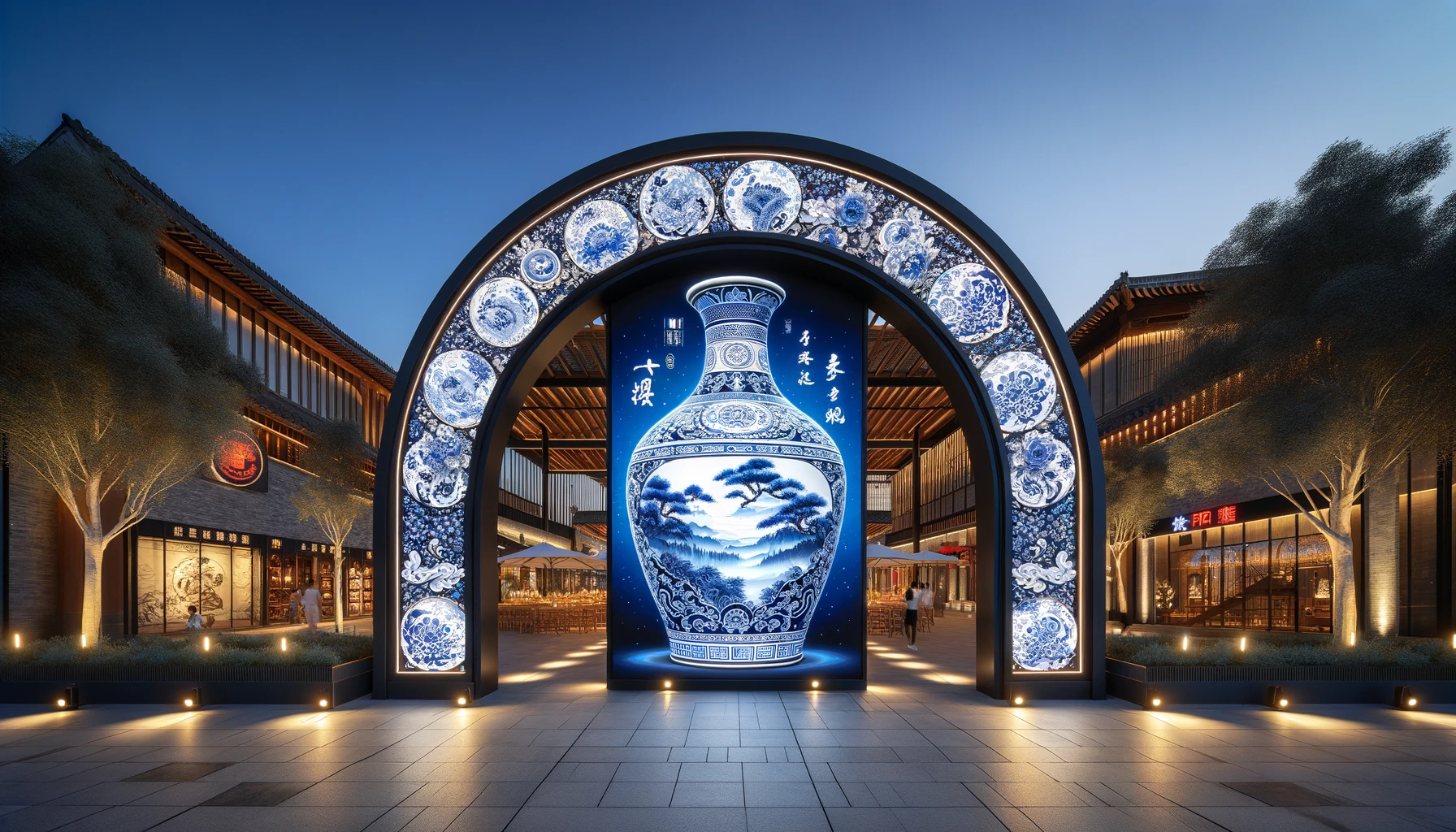
Arch LED Display for Plaza

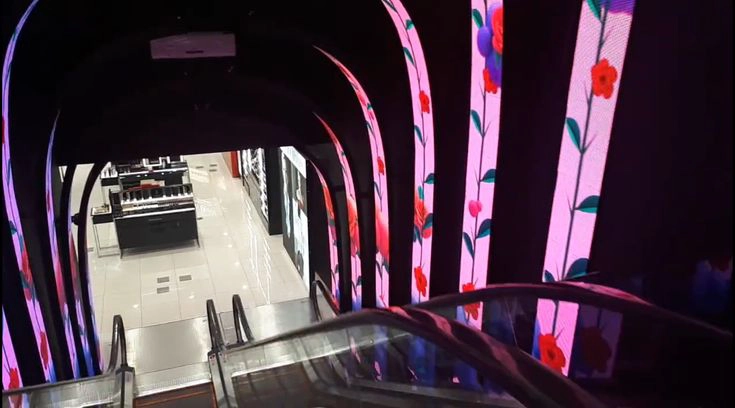
arch led screen creativ shopping center

Advantages of Arch LED Displays

Choosing an arch LED display offers several advantages over traditional flat panels. The curved surface provides a wider viewing angle, ensuring the content is visible from various perspectives. This curvature also adds a three-dimensional aspect to visuals, creating a more immersive experience for viewers. Additionally, arch LED displays can be more energy-efficient and offer superior durability, thanks to advancements in LED technology.

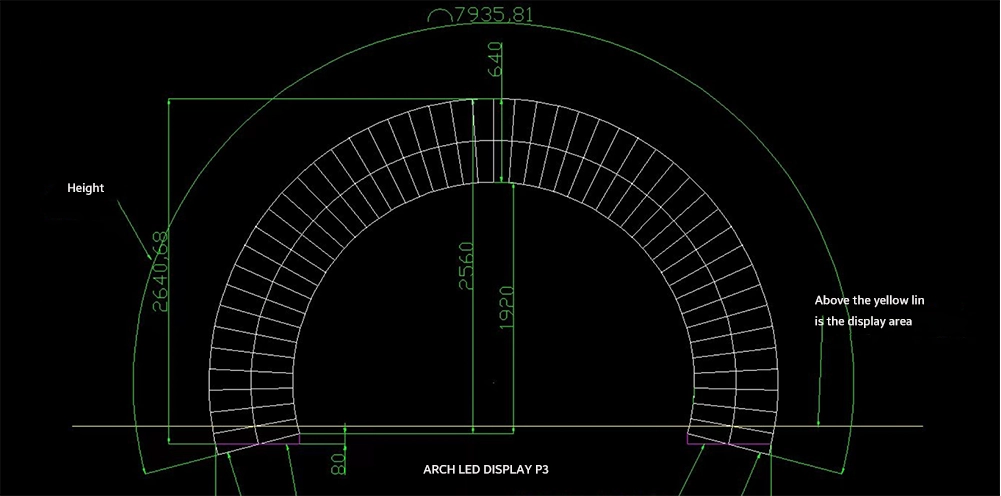
ARCH LED DISPLAY DESIGN P3

Unleashing Creativity with Arch LED Displays with Visionpi

For everyone captivated by the possibilities of arch LED displays to transform spaces and bring memorable visual experiences to life, it’s only the beginning of a journey. For retail, entertainment, sports, or public installations – the arch LED display is an open canvas that is bound…by nothing but your imagination. Dream big, and let the curve guide you to where your next innovative project can take shape.

Flexible Rental Curve LED Display

Revolutionize Your Events with Rental Curve LED Display

In today’s event industry, FC stands out as a groundbreaking solution, setting new standards in flexibility, visual quality, and ease of use. This cutting-edge curvable LED panel is designed for the dynamic needs of event planners, concert organizers, studios, and film productions, enabling memorable experiences.

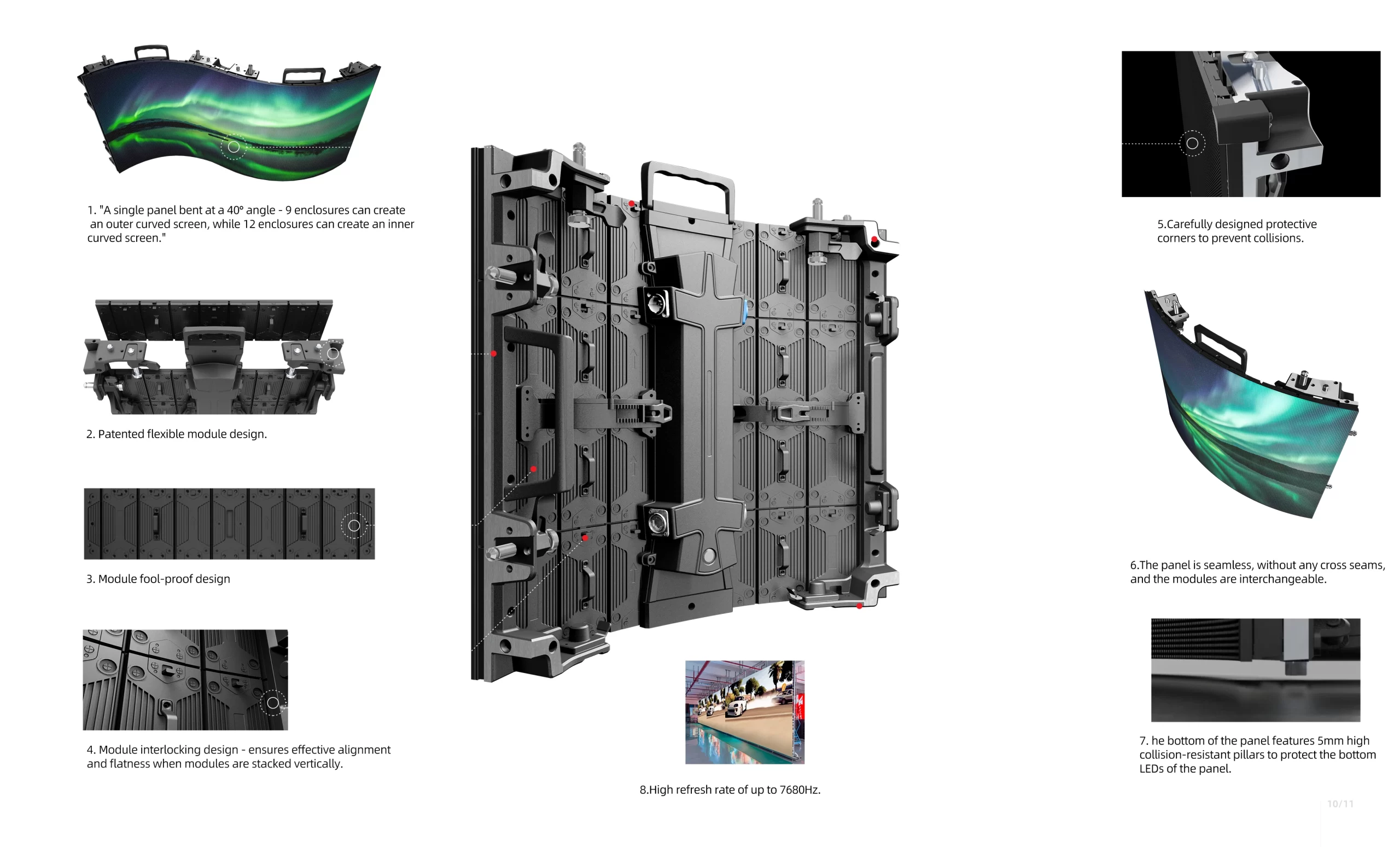
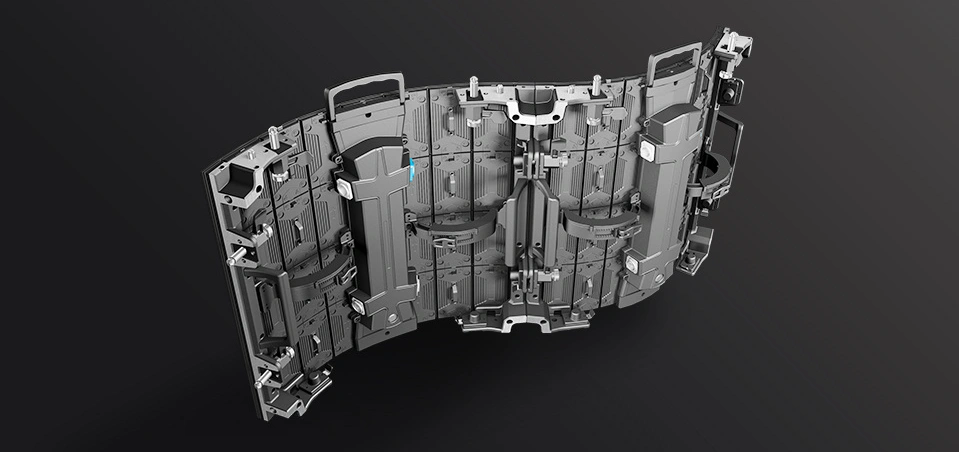
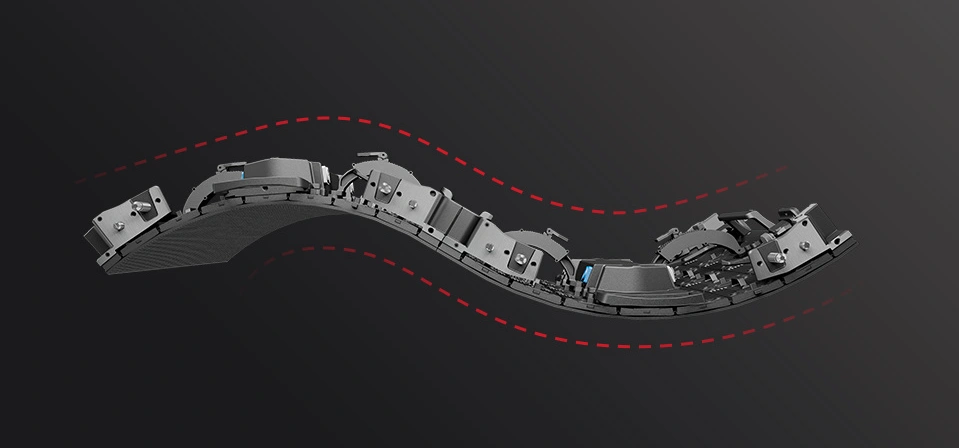
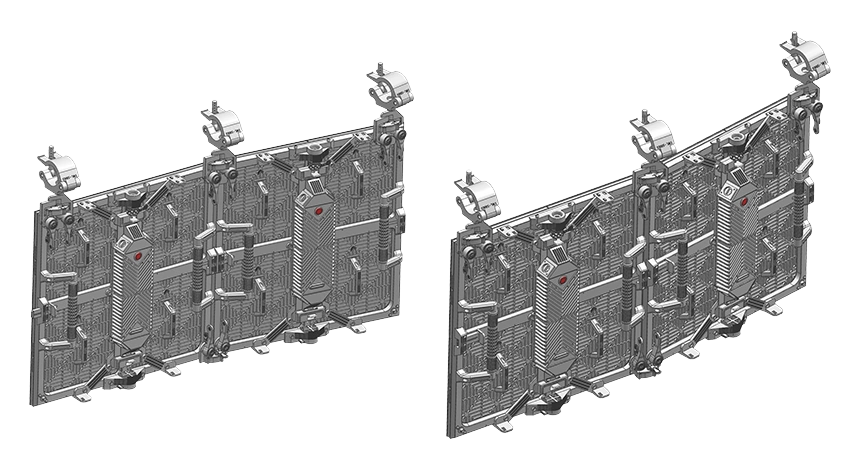
FC Series is different from the traditional cabinet, characterized by the innovative design of fully flexible modules, and continuous curvature and perfect curved shapes can be guaranteed. 

flexible rental led display details
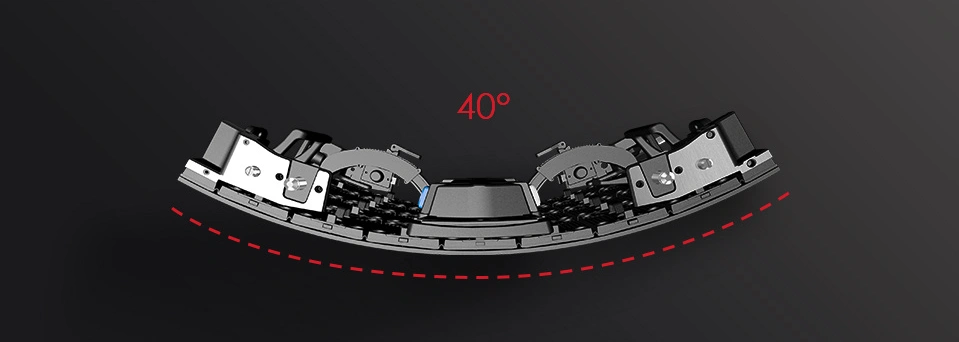
curved rental led screen 40 degree
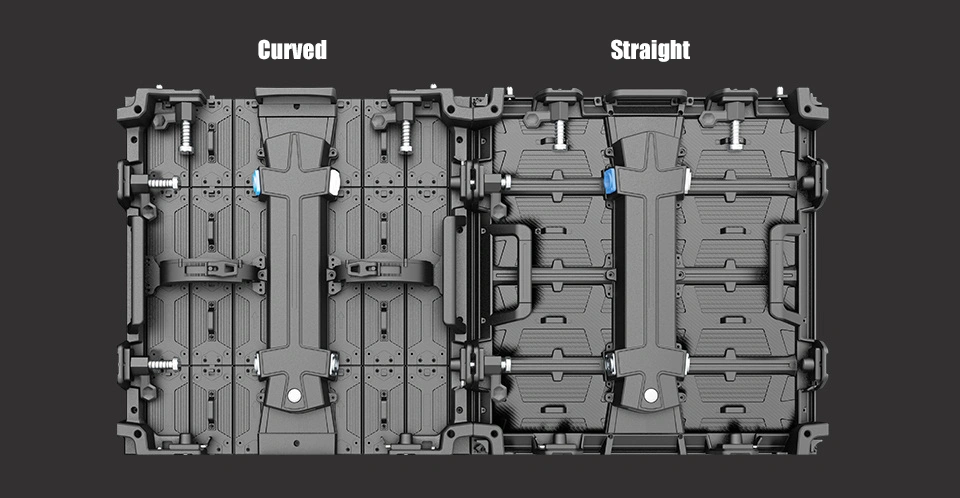
curved rental cabinet mixed assembly with normal straight led cabint

Perfect Curves: Crafting Immersive Environments FC LED panels redefine spatial design with both curved and flat displays, breaking traditional limitations and offering new creative dimensions.

curved led display rubber flexible copy

Seamless Integration: Straight and curved cabinet assembly togeter. Rubber panels integrate easily, supported by technical innovations for fast adjustments and maintenance.

STRAIGHT AND CURVED LED CABINETS MIXED INSTALLTION copy

Elevating Events with Rental Curve LED Display Rubber represents a significant leap forward, offering a powerful tool for creating unforgettable experiences with its blend of aesthetic appeal, technical excellence, and operational efficiency.

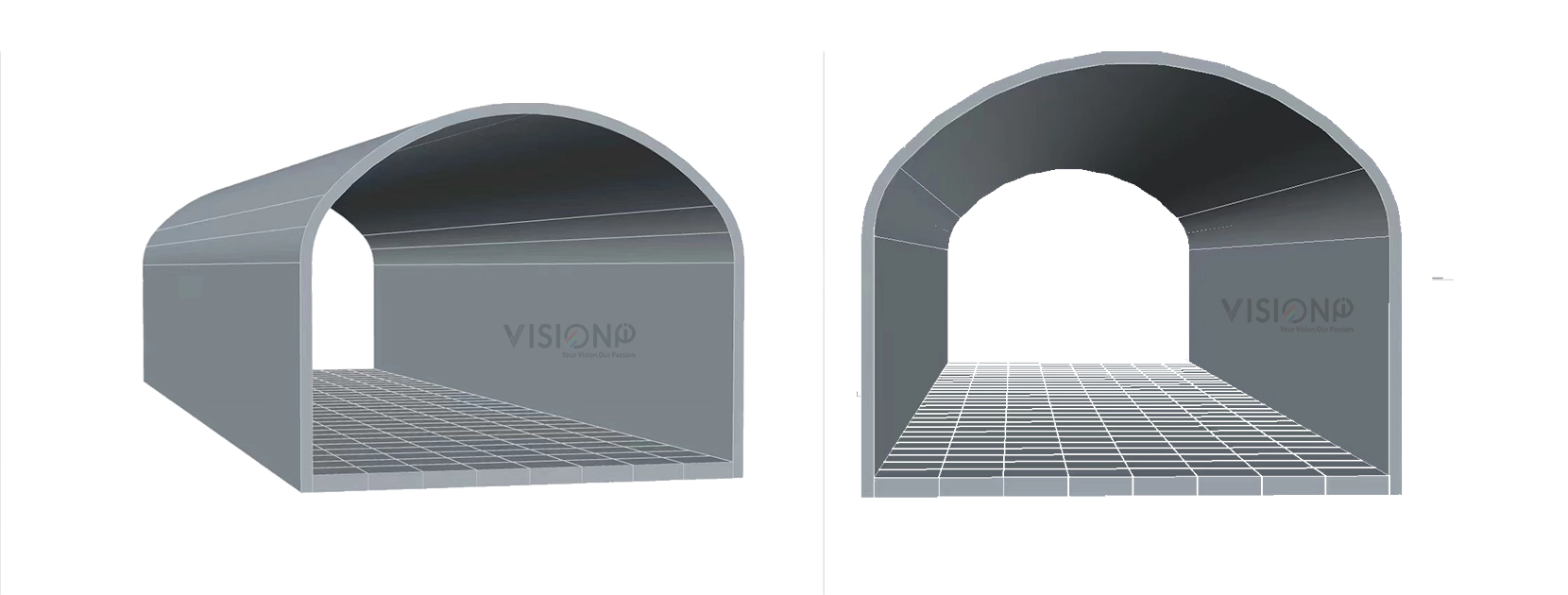
Versatile Applications: From Tunnel to Wave Designs Rubber panels can be configured into diverse setups, transforming any space into a visually captivating environment.

flexible curved rental design led screen copy

Cylinder LED Display 

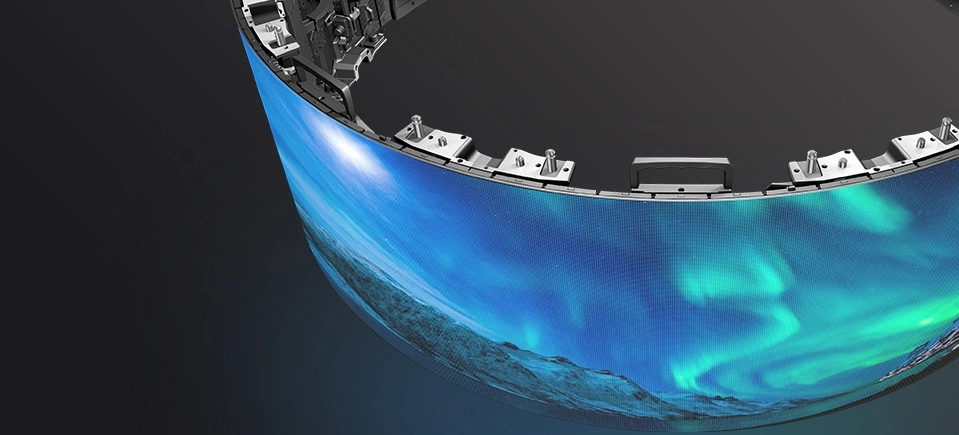
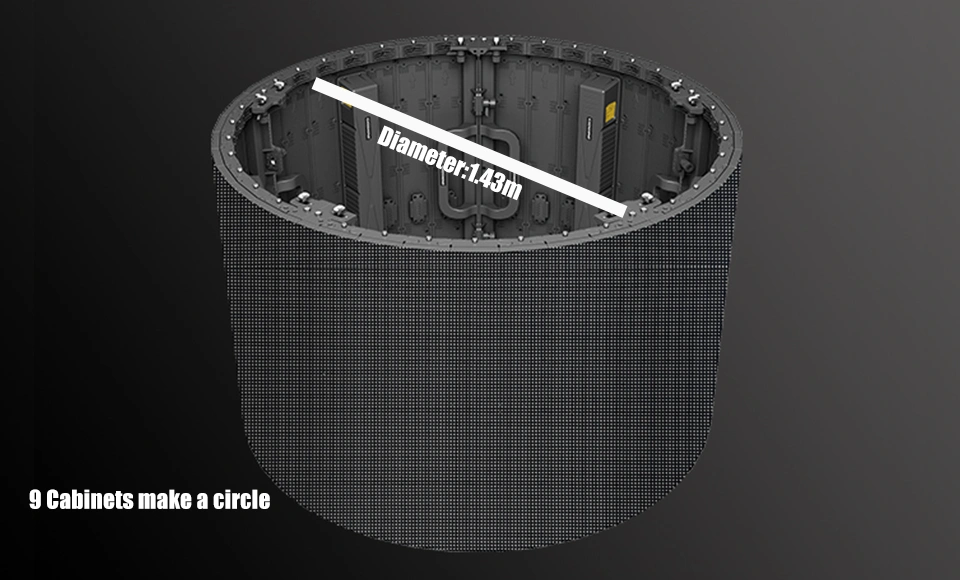
Cylindrical Shape Can Be Achieved by merely 9 Cabinets. The Minimum Diameter of the Cylinder is only 1.43 meters.

cylinder shape rental led display copy

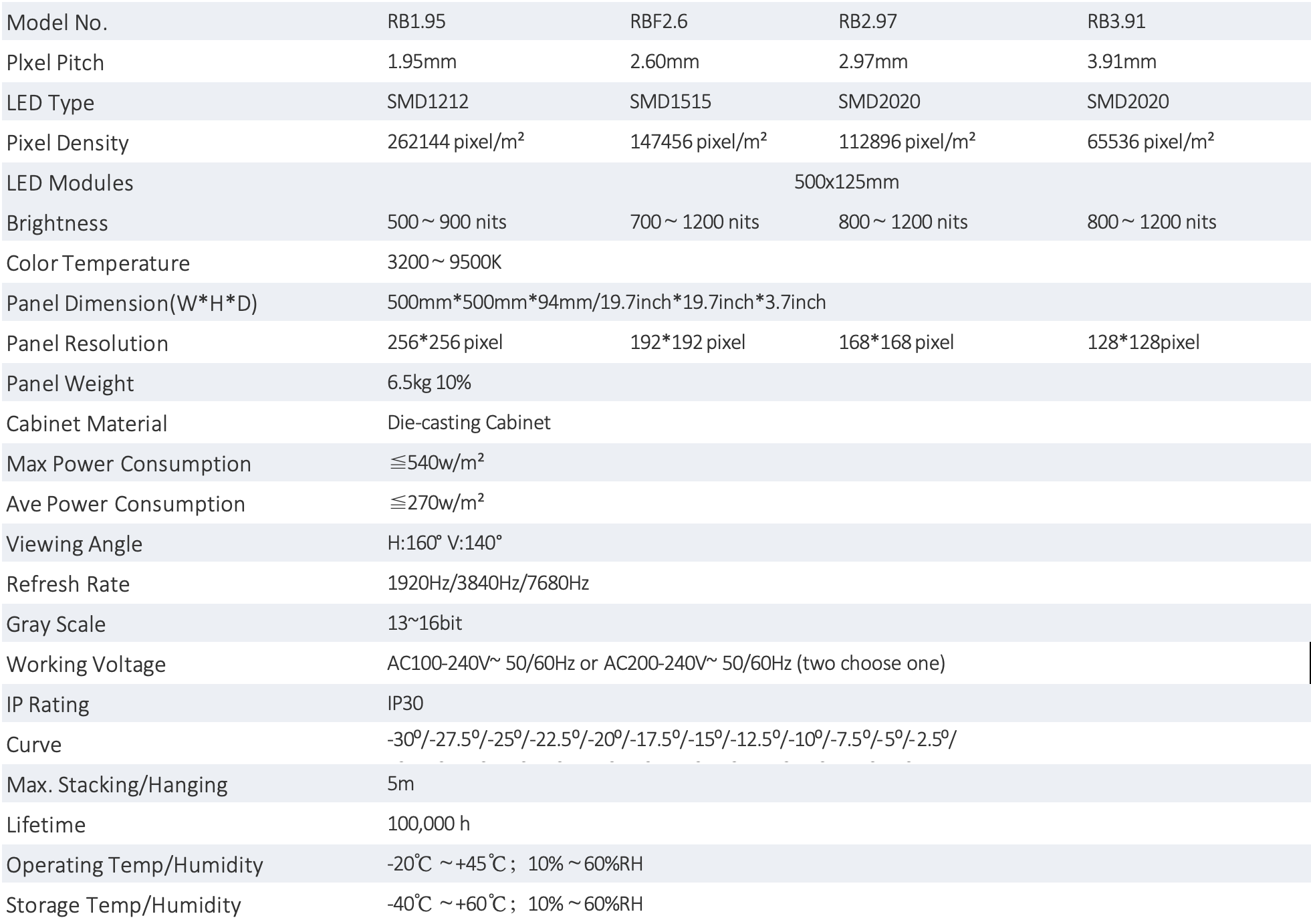
Specification

flexible rental led display specification

Carbon fiber LED Display

The Rise of Carbon Fiber LED Display: Revolutionizing Digital Signage

In the fast-paced world of digital advertising and entertainment, LED displays have become ubiquitous, adorning cityscapes, illuminating stages, and enhancing public spaces with vibrant visuals. However, the quest for more resilient, efficient, and flexible displays has led to an innovative material making waves in the industry: carbon fiber. This post delves into how carbon fiber is transforming LED displays, making them lighter, more durable, and energy-efficient, while also exploring its applications, challenges, and the bright future ahead.

carbon fiber led display indoor rental

What is Carbon Fiber?

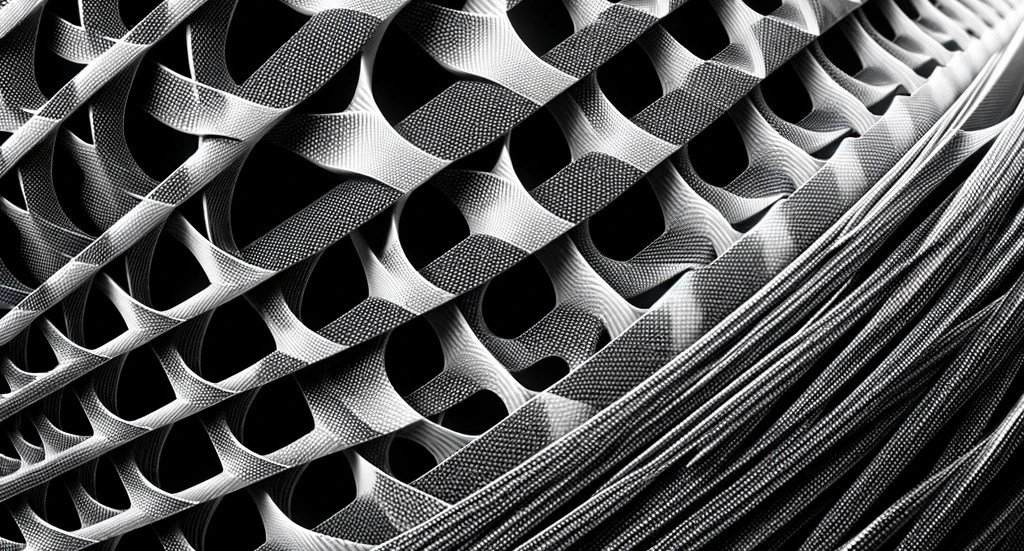
Carbon fiber is a material known for its impressive strength-to-weight ratio, high tensile strength, and resistance to temperature fluctuations. These properties stem from its composition—thin strands of carbon woven into a fabric and set within a plastic resin. Its application in industries such as aerospace and automotive has been well documented, but its use in LED display manufacturing marks a significant leap forward, offering an array of benefits over traditional materials.k about and use LED displays, making them more sustainable, versatile, and visually striking. The future of digital signage is light, durable, and bright, thanks to carbon fiber technology.

carbon fiber structure
advantages of carbon fiber led screen
  • Available in 1.5, 1.9, 2.6, 3.9 and 5.2mm pixel pitches
  • Front-serviceable
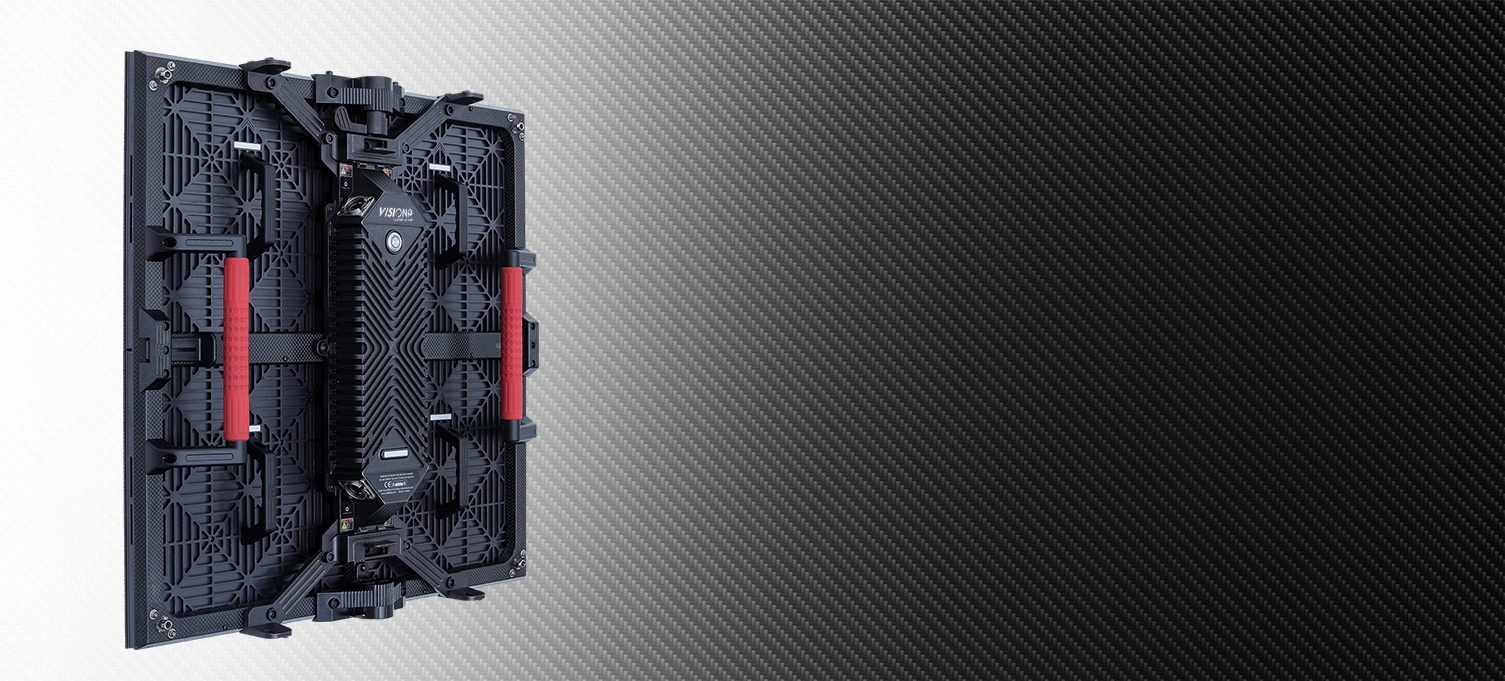
  • Lightweight carbon fiber construction
  • Compatible for hanging, wall mounting or free-standing installations
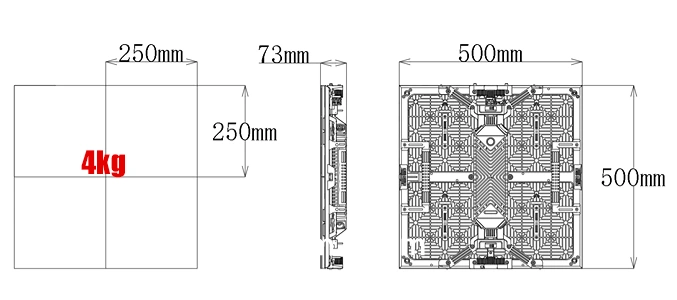
  • Display size: 500 x 500 mm
  • Available in bendable modules for curved installations

Benefits of Carbon Fiber LED Display

Lightweight and Portable: The standout feature of carbon fiber LED displays is their weight—or lack thereof. This reduction in weight translates to easier transportation and installation, particularly for temporary setups such as events or concerts, where speed and flexibility are crucial.

carbon fiber HD LED DISPLAY light weight 4kg

Durability: Carbon fiber’s resistance to corrosion, impact, and extreme weather conditions means that LED displays can last longer and require less maintenance, even in harsh outdoor environments. This durability also translates to cost savings over the lifespan of the display.

Energy Efficiency: Better heat dissipation is another hallmark of carbon fiber LED displays. Efficient heat management not only prolongs the life of the LEDs but can also contribute to lower energy consumption, making it an eco-friendlier option.

Aesthetic Flexibility: With its sleek and modern look, carbon fiber can provide aesthetic advantages, allowing for more innovative and visually appealing designs in digital signage.

curve and concave carbon fiber led display rental
Product parameters
  • LED configuration
  • 4in1 common cathode
  • Pixel Pitch
  • 1.56mm
  • Cabinet Resolution
  • 320×320
  • LED Cabinet Size(WxHxD)
  • 500x500x73mm
  • Viewing Angle
  • 140°H/110°V half brightness point
  • Max. Brightness Calibrated
  • 1,200nits
  • Cabinet Material
  • Carbon Fiber
  • Cabinet Weight
  • 4.95kg

Applications of Carbon Fiber LED Screen

From towering billboards to dynamic stage backdrops, carbon fiber LED displays are finding their niche. Their lightweight nature makes them particularly suited for mobile advertising platforms and temporary installations. Moreover, their durability and efficiency open new possibilities for outdoor advertising, sports arenas, and exhibitions, offering both practical and environmental benefits.

Challenges and Considerations

Despite the many advantages, the adoption of carbon fiber in LED displays is not without challenges. The initial cost can be higher than traditional materials, and specialized manufacturing processes are required. However, as technology advances and production scales, these obstacles are gradually being overcome, making carbon fiber more accessible and cost-effective.

Future Outlook

The potential for carbon fiber in the LED display industry is immense, with ongoing research and development hinting at even greater advancements. As manufacturing techniques evolve and costs decrease, we may see carbon fiber becoming the standard for digital signage, pushing the boundaries of what’s possible in design, efficiency, and functionality.

Conclusion

Carbon fiber LED displays represent a significant leap forward in digital signage technology, offering unmatched benefits in terms of weight, durability, and energy efficiency. As the industry continues to innovate, the adoption of carbon fiber could revolutionize how we think about and use LED displays, making them more sustainable, versatile, and visually striking. The future of digital signage is light, durable, and bright, thanks to carbon fiber technology.

Outdoor Curve LED Display Solutions

Why Curved LED Screens Outperform Flat Displays

The future of visual technology bends—literally. Curved LED displays are redefining spatial design with immersive, distortion-free visuals. Here’s why global brands like Nike and Apple are adopting them:

super high brightness led display

Immersive Visual Experience

Unlike flat screens that distort edges for off-center viewers, curved LED panels mimic the human eye’s natural field of view.

Zero Distortion

Perfect for ultra-wide aspect ratios (e.g., 21:9 cinema content).
180° Viewing Angles: Tested ΔE<1.5 color consistency across curved surfaces.
Ideal for: Planetariums, luxury retail stores, and concert stages.

Space-Saving Design

Slash installation costs by 30% with curved displays that conform to unconventional surfaces:

Fit Any Shape

Columns, domes, and undulating walls. No Dead Zones: Eliminate wasted space in corner areas.
Case Study: Dubai Mall’s 360° ring-shaped LED (R8m radius) saved 25% of space compared to traditional setups.

Brighter, Uniform Colors

HDR Optimization: Edge-to-center brightness variation <10%.
Anti-Glare Coatings: Maintain 8,000 nits visibility under direct sunlight (IP65-rated options).

customized curve outdoor led display diamater

Why Can LED Curved Displays Bend? Simple as Building with LEGO!

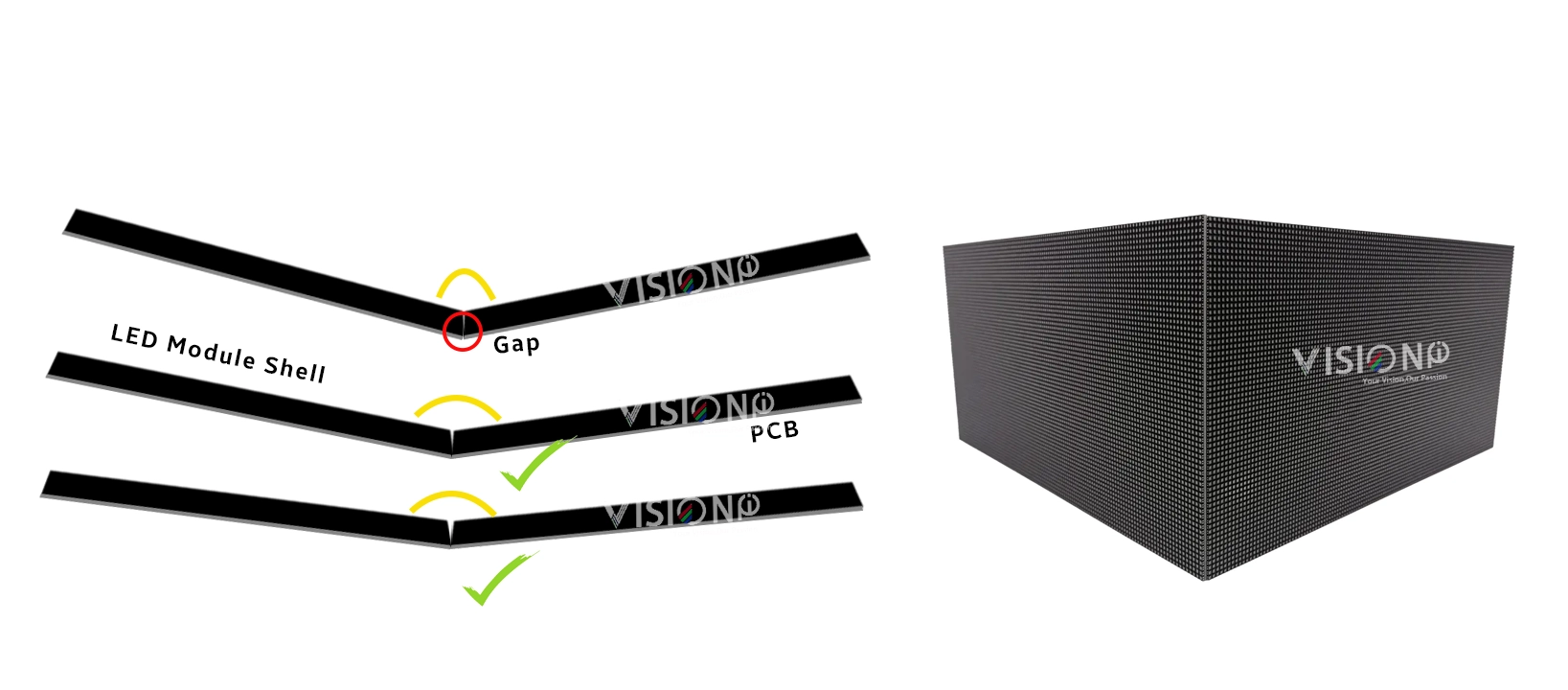
Imagine you have rectangular building blocks (LED modules). If you line them up straight, they form a flat screen. But to create a circle, you’d need to tilt each block slightly and connect them at angles. This tilt makes the whole structure curve naturally.

how to make curved led display

The Secret Behind the Curvature 

  • Block Width vs. Tilt Angle:
    Wider blocks → Smaller tilt angles → Larger circle radius (e.g., stadium screens).
    Narrower blocks → Larger tilt angles → Smaller circle radius (e.g., store column displays).
outdoor small modules for smooth curve outdoor led display

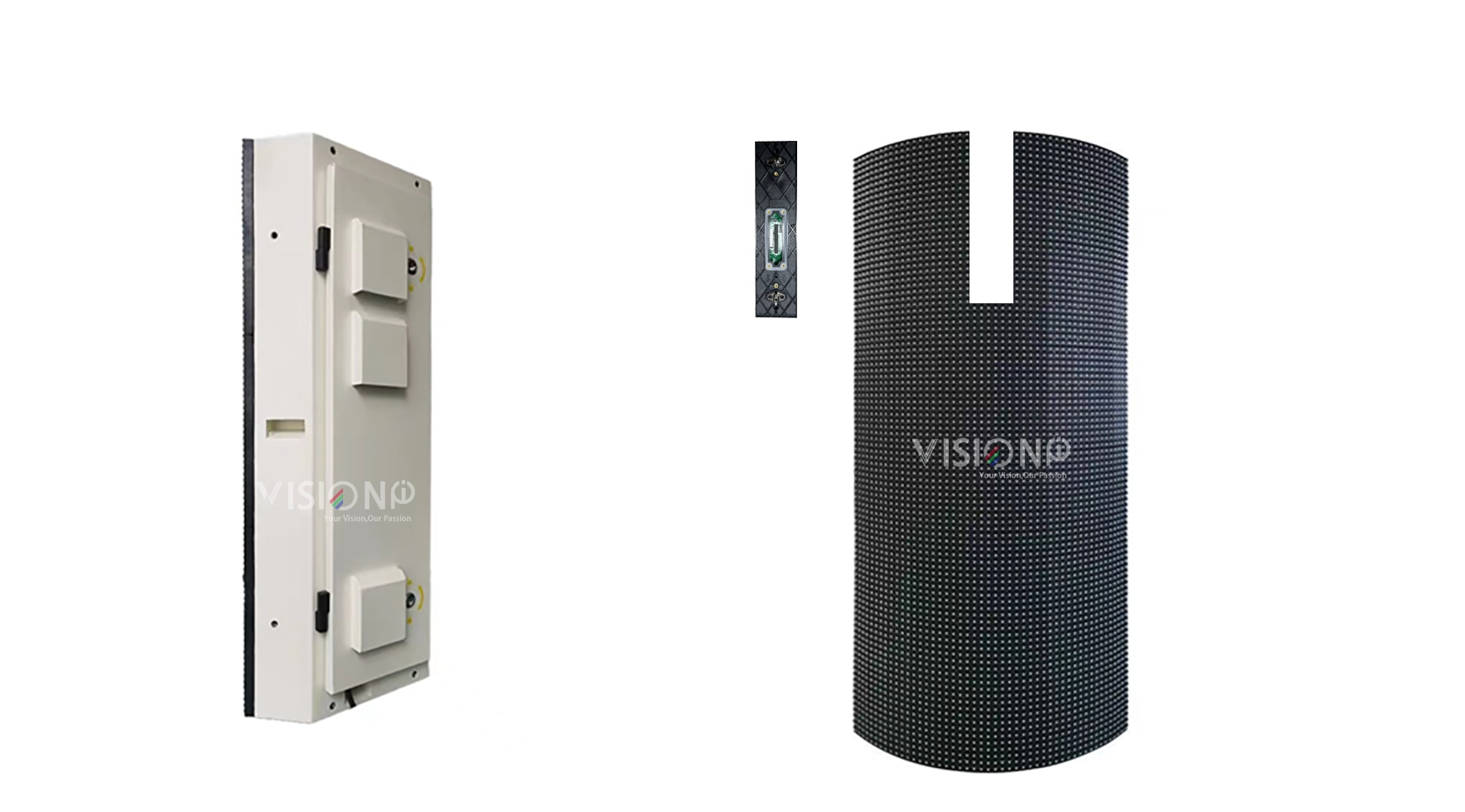
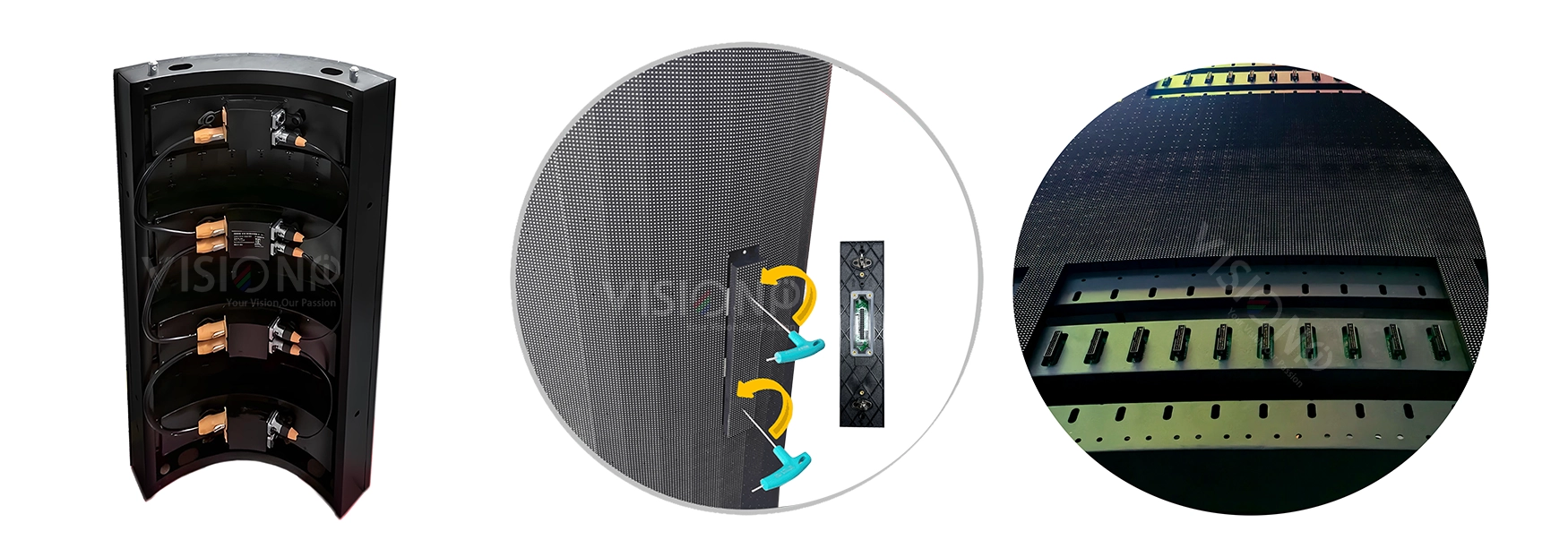
Outdoor Flexible LED Modules

  • Block Width vs. Tilt Angle:
    Wider blocks → Smaller tilt angles → Larger circle radius (e.g., stadium screens).
    Narrower blocks → Larger tilt angles → Smaller circle radius (e.g., store column displays).
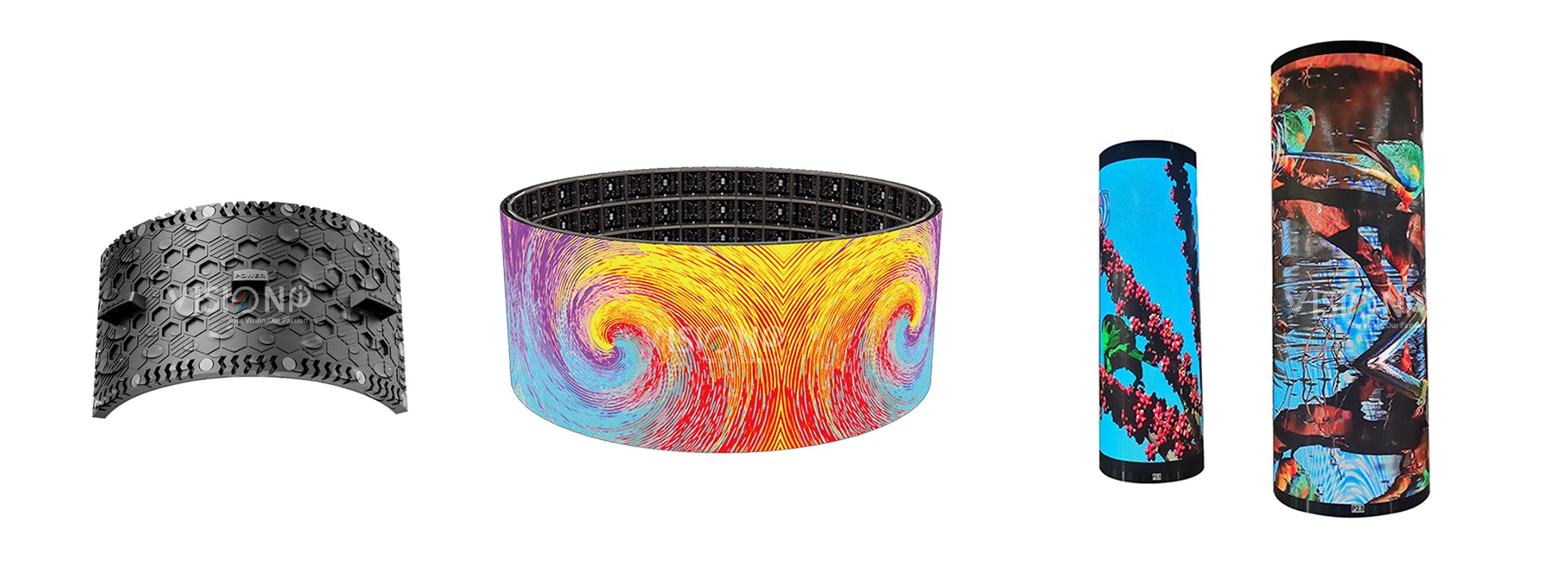
outdoor flexible led modules display curved led display outdoor cylinder screen

How to Weatherproof Outdoor Curved LED Screens? Think of It Like Building a Giant Umbrella

Imagine creating a massive curved “umbrella” (your screen). Here’s how to keep it dry and stable in storms:

1. Waterproof Design ️
Rubber Seals at Joints:
Just as overlapping panels in umbrella fabric block rainwater, use silicone gaskets between LED cabinet seams to prevent water intrusion.
→ Pro Tip: Match the Shore hardness of gaskets to temperature ranges (e.g., 70A for -30°C to 60°C regions).

Seal Screw Holes:
Fit all fastener holes with EPDM rubber washers—no water sneaks in through “nail gaps.”

2. Typhoon-Proof Engineering ️
Strong Skeleton:
Use thickened steel frames (Q355B grade, ≥6 mm) as the backbone to prevent the screen from becoming a giant kite.

Rock-Solid Anchoring:
Secure the base with M16 expansion bolts driven into the concrete foundation. It’s like weighing down a tent with sandbags, but 10x sturdier.

Subscribe To Our Newsletter

Join our mailing list to receive the latest news and updates from our team.

You have Successfully Subscribed!

Pin It on Pinterest