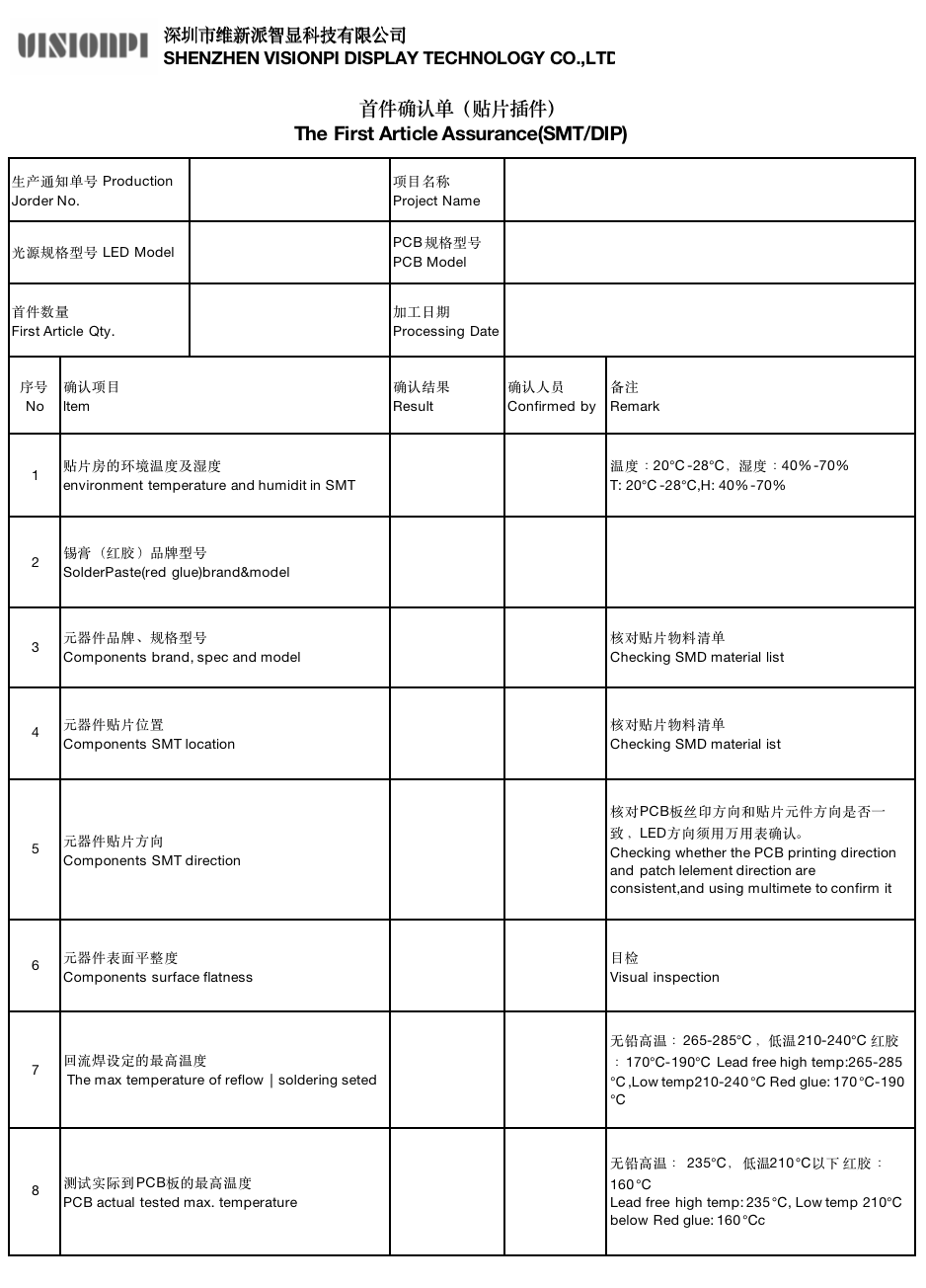
Why Is A First Article LED module Sample So Important?

led display sample confirmation


We are discussing why a pre-production sample is so important for obtaining your desired results once your products go into mass production.

What are PP samples? How do they evolve over time until they’re a final ‘golden’ pre-production sample? What problems do they help avoid? How to specify your exact requirements? Who pays for them? These questions and more are answered in this episode!

What are pre-production samples and where do they fit in the production process? – a pre-production sample can be any sample that is put together before mass production starts, especially for a customized led display that has never been produced before. usually for a specific environment, like sea area, mountains, desert, etc., or special share design screen, whereas others are a final PP sample (golden sample) which demonstrates what the mass-produced products should be like.

  • Electromechanical products- LED DISPLAYS – There are a number of key parameters to be decided for the led panels during the first article configuration: the wavelength, color temperature, brightness, power, and grey level. If the buyer confirms that the prototype looks and functions how they like it becomes an approved prototype or sample. The point is that in different industries there are different PP samples made during the pre-production process and they serve different purposes, helping to validate different features of the product stage by stage. But there will be a final PP sample which is what you expect to receive from mass-production runs.

✅ About ‘First article’ samples – these are the final PP samples that should be emulated in production. Manufacturers should keep a few of these, identify them clearly, and keep them safe and clean. Typically one should be kept for the quality staff, at least one for the production staff, and one for R&D staff, too. This helps the factory stay on track.

✅ How do you assure that your external inspection company gets hold of the PP sample? – A couple of ways to do this.

  1. If you trust your supplier the inspector can use their PP sample as your ‘approved sample’ as long as you are sure that your factory will not play any games. This cuts costs and simplifies the process, but it’s open to abuse if someone in the factory gives them a PP sample that has been tampered with (perhaps to suit their needs, such as being able to use a cheaper material, etc).
  2. Send the inspection company a sample – easiest is to send it to your supplier’s factory in a sealed package which is only to be opened by the inspector once they arrive (again, if trust is an issue this could carry risks), or you can send it to the inspection company’s office, but you need to be sure that the inspector can actually get the sample before they carry out your inspection and, in some cases, it may be that the inspector is rarely in the office and could live in a completely different region. If so, allowing time for it to be shipped to them internally is necessary.

✅ Some issues that we can expect to iron out during pre-production sample development – There are a number of ways obtaining PP samples can help avoid issues that would cause trouble if they were to make it into production pieces. For example:

  • The buyer may receive a PP sample from their supplier and notice that they really haven’t understood their needs well at all, such as using the wrong color. PP samples help to tangibly clarify understanding far better than a collection of photos, emails, and WeChat messages.
  • They should be tested according to the QC checklist and testing plan – if you have a final PP sample that is identical to what should come off the line during mass production, it’s a good opportunity to conduct testing and assure the product’s compliance with your standard and market’s safety requirements, etc, before production starts.

✅ Is it common for the PP sample process to be skipped? – buyers should know that they need a PP sample in their hand, although for large items like furniture or machinery this may not be possible.

✅ Why do suppliers deviate from your PP sample during production and what can be done to guard against this happening? – some buyers work with a supplier after seeing a sample that seems great and ‘shaking hands’ on what will then be produced. However, they have not clearly defined their specifications and quality standard in black and white, therefore, if finished products are made with some defects or non-compliances the manufacturer may effectively say something like: “But you didn’t specify this precisely…” There will possibly variations between colors, positioning of a logo, etc, so a standard needs to made stating explicitly what is and isn’t acceptable (for example, stating that ‘this shade of blue is perfect and I can also accept this slightly darker shade, but anything darker than that is not acceptable).

To make your standard crystal clear, a well-defined QC checklist needs to be made and provided to them so there can be no gray areas or assumptions.

✅ How to reduce variations? – assure that your supplier’s sub-suppliers provide high-quality parts and materials. They need to do preventive maintenance on their equipment, train, and provide good work instructions to their staff. The storage of materials appropriately, such as reducing humidity for batteries, also has an impact on the final quality of the product. Success here is connected to vetting the supplier.

 

LED Display Quality Inspection Cost in China

Understanding the cost of QC inspections in China

Some importers get to talk about their project for some time, see where we would help them, and finally (almost as an afterthought) ask: “How much does a quality inspection for led display/sigange in China cost?”

When quoted: “299 USD per day of work”, I can nearly hear them thinking “wow these guys are cheap”.

They compare this fee to the costs of professional services in their country, or maybe to the total amount of the order, or to the cost of their best alternative (taking a flight to China). So it sounds really low.

Breaking down how much quality inspections cost in China

1 man-day of work (which is sufficient for  a 20-40 sqm led video wall) costs 299 USD.

Travel expenses might apply, on top of the cost of labor, if the factory is far away from the closest importer. Let’s take 3 typical examples:

  • If the trip is only 60 km, it is included in the price.(in most of the case the price can cover,because our office is in shenzhen)
  • If the trip is 120 km, an extra 50 USD might be charged.( as there growing numbers factories move to nearby cities like Dongguan or Huizhou)

(Exact costs are quoted on a case-by-case basis, depending on transportation options available. Contact us if you’d like to discuss quality inspections now.)

I am always surprised by the expectations of some other importers regarding the cost of led display quality inspections in a Chinese factory. In their minds, even 100 USD would be a rip-off.

They compare it to the salary of a typical English-speaking employee in China (6,000-8000 RMB), they divide it by 30 days, and they think we make an insane margin.

These buyers seem to forget about the main costs of a company that has set up a network in the main regions:

  • Training/supervisory/internal control overheads
  • Travel expenses to factories
  • Client communication
  • Taxes and social security
  • And more….

The buyers who value better service and reliability

The first category is ready to pay more for better service and higher reliability. They tend to be medium- or large-scale companies, or they have developed their own product and getting all the details rights is what helps them charge a premium. These buyers allow quality assurance firms like ours (Sofeast) to exist.

They want to make sure they are paying fees within the market band (i.e. not twice as much as their competitors). They are looking for convenience, reliability, and speed, more than a ‘great deal’.

The buyers who prefer the lowest possible cost

I learned that the second category of buyers, unless they absolutely have to, will never accept to pay the market price for quality control inspections. They prefer to roll the dice and let the factory ship out. In some cases, if they work with a ‘sourcing agent‘ who spends 20 min looking at a few products and taking a few photos, it is already plenty.

Is it rational? Not always. Are they worse off? Sometimes. If they buy off-the-shelf products that are purely decorative (or to be given away as part of a marketing campaign), that might make sense!

Conclusion

What is our conclusion, knowing all this?

Our main target is companies who have recognized the value of a inspection, for those who have been in led display industry for years,those who suffer from endless quality problems. In the QA department, we help them get better organized, specify what their QC checklist is, and take better advantage of QC inspections.

And those buyers who always look for the best deal? We let them choose the cheapest suppliers and run the highest risks. They are not a part of our client base … We are just not a good fit.

    Factory Audits To Qualify Your Chinese LED Display Suppliers

    layered process audit.

    When I talk to someone who is contemplating whether they should work with a particular supplier, I advise them to visit the factory and/or have it audited.

    And this can lead to confusion, as the next question is usually “what type of audit?” Let’s look at your factory audit options…

    Exploring the main factory audits you may utilize

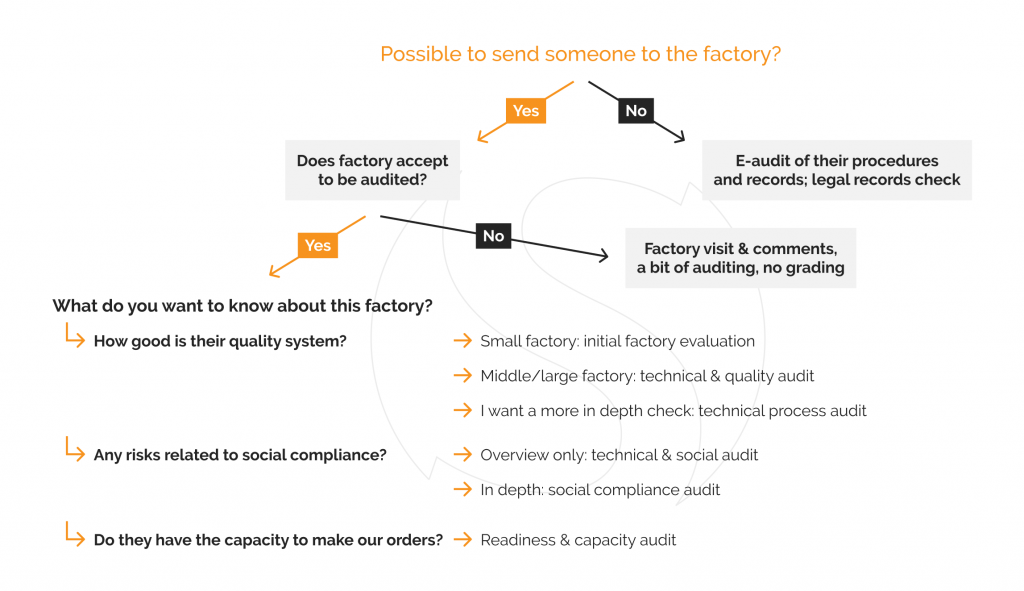
    If one takes a step back, the main options are shown in this graph.

    Factory audit options

    First, can someone actually go to the factory?

    In 2020 and 2021, that’s not always a given.

    If the factory is open but nobody can go there, a review of their key SOPs and of the most meaningful records can be useful. It can confirm the fact that they have a quality system (even if going on-site can provide a much more complete picture).

    In addition, in some countries, such as China, some information can be gathered in the government databases, as a complement to an audit.

    Second, does the supplier accept an audit?

    If you are planning to place an order that is very small for the manufacturer, they are likely to decline.

    One way to meet in a ‘happy middle ground” is to call it a “factory visit”. It can still be done by a professional auditor, who can take advantage of being on-site to ask some questions and gather some evidence, but not in the traditional way — not in a structured approach. He then writes some comments that are useful to the decision-maker.

    And then, the most important question is:

    What do you want to check?

    a) In most cases, the focus is on the quality system. But we distinguish between 3 cases:

    1. Small factories that haven’t implemented their own systems don’t need to be evaluated on all the traditional criteria — they will be made to look bad, but they may actually be a good fit for relatively small buyers.
    2. Factories that pretend to have a quality management system (they might hold an ISO 9001 certification, for example) can be assessed in more depth.
    3. And, when the buyer wants an evaluation of the factory’s manufacturing processes and various good practices, the situation calls for a process audit. The focus is on whether they know what they are doing.

    b) Some companies need evidence that their suppliers are socially compliant:

    • Sometimes all the focus is on social compliance (no child labor, no forced labor, above minimum wage…). If you sell your goods to a retailer that has their own program, that retailer’s standard is usually the basis for the audit checklist.
    • Sometimes the customer also wants an evaluation of the quality system. It can be a “blended audit”.

     c) Sometimes the key concern is the manufacturer’s readiness to take a certain order (based on their in-house production capacity, their supply chain, their validation of a new product…)

    d) There are many other types of audits — environmental impact, supply chain security, building structural strength, and so on and so forth.

    Is it a one-time audit or is it part of a program?

    If all you want to do is qualify a potential supplier, a one-time assessment is sufficient. However, you probably need to keep tabs on what happens to the led display manufacturer.

    Maybe their No. 1 customer leaves them. Maybe the opposite is happening, and they are growing very fast. How do their systems and practices hold up? Have someone check on your key suppliers at least once a year…

    Another reason to set up a program is to push a factory to improve their processes & systems, with what is commonly called a layered process audit. 

    What kinds of factory audits are you performing? Do you have any questions about which audits best suit your needs? Let me know by commenting, please.

    VMS Traffic LED Display

    VMS LED SIGN FEATURES

    Smart Traffic Solutions: Why Modern Cities Need Advanced LED Displays

    In today’s fast-paced world, efficient traffic management is no longer optional—it’s a necessity. From bustling highways to urban intersections, dynamic LED traffic signs have become the backbone of intelligent transportation systems (ITS). At Visionpi, we specialize in designing durable, high-brightness LED displays that meet the evolving demands of modern infrastructure.

    As a trusted traffic LED display manufacturer, we empower cities and transportation authorities to improve road safety, reduce congestion, and deliver real-time information to drivers. Let’s explore how our innovative solutions are redefining traffic management.

    Table of Contents
    ;
    3
    Applications of LED Traffic Signs
    Our solutions are trusted in:

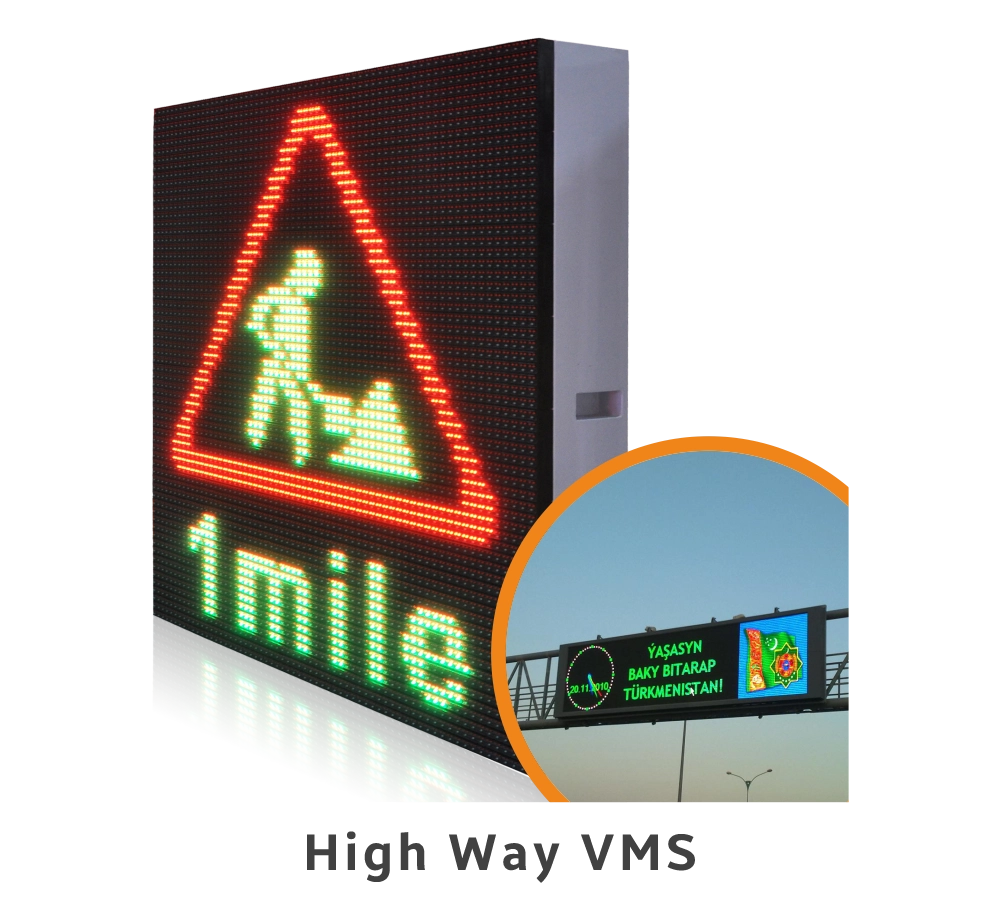
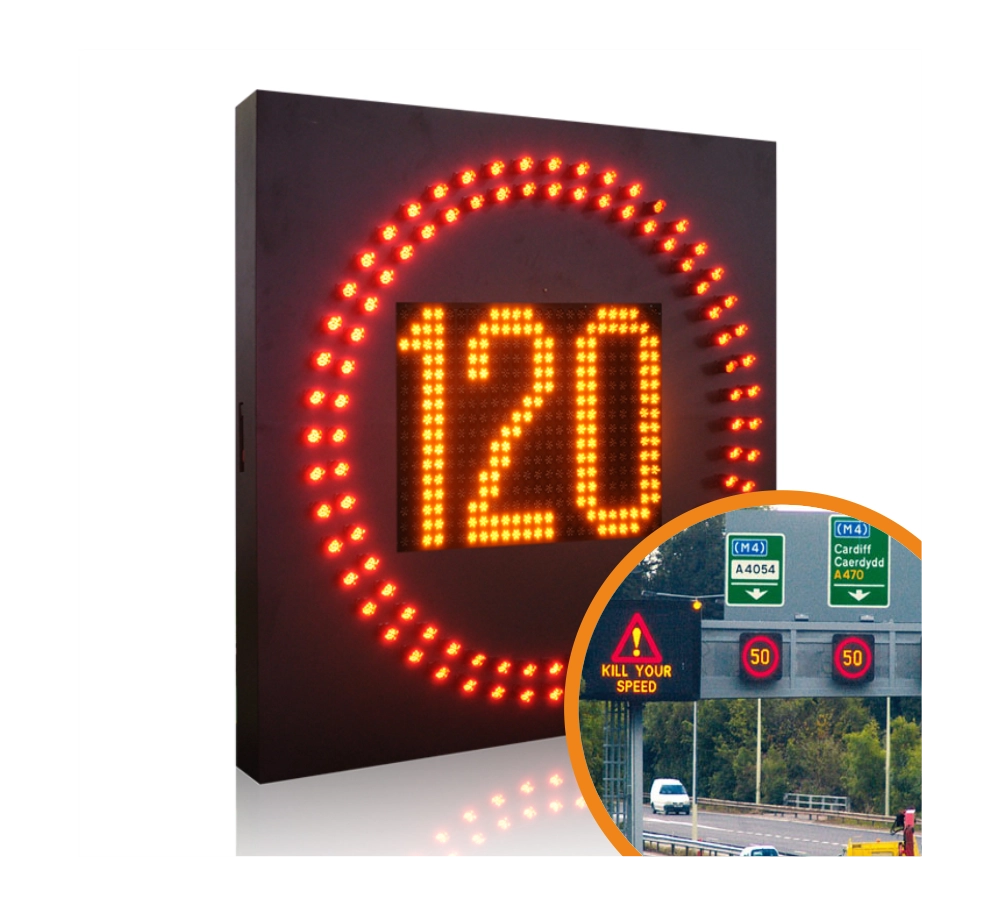
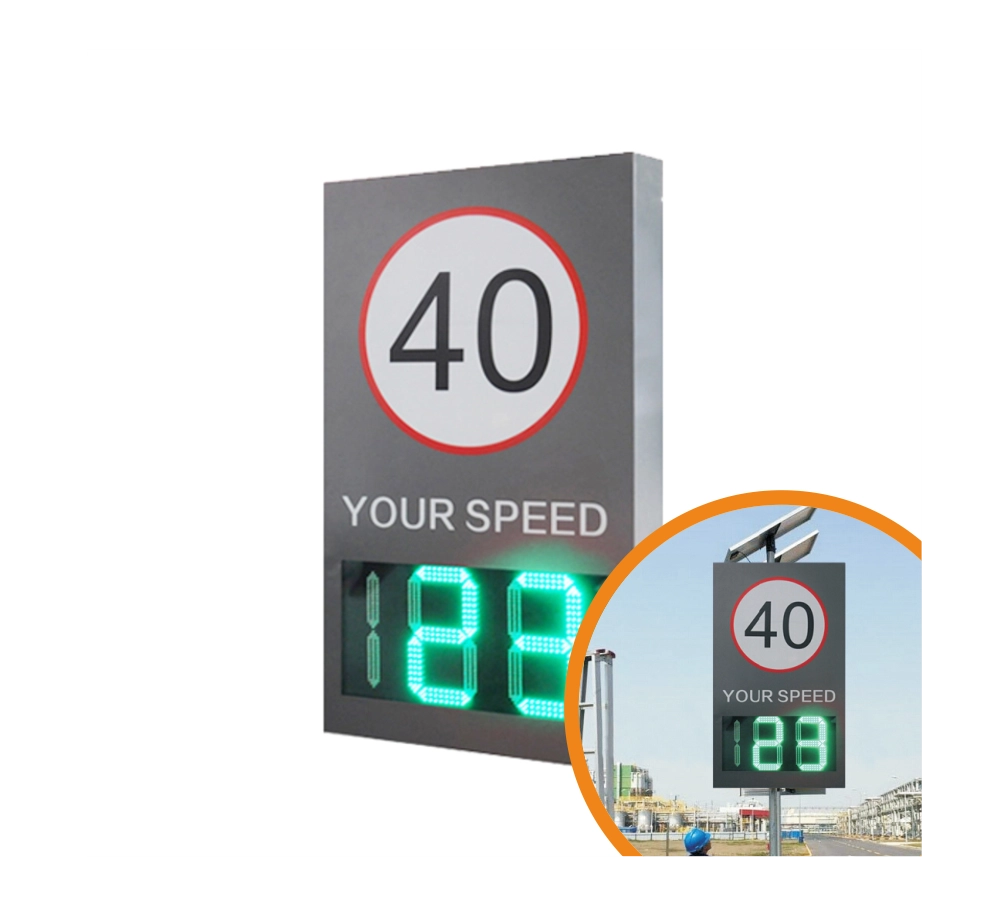
    Highways: Variable speed limit signs (VSLS) adapt to traffic density, weather, or accidents.
    Urban Areas: LED variable message signs (VMS) guide drivers through construction zones or events.
    Tunnels & Bridges: High-contrast displays improve safety in low-light conditions.
    Smart Cities: Integrate with IoT systems for adaptive traffic control.

    traffic led sign high way vms
    speed limit led sign high brightness dip
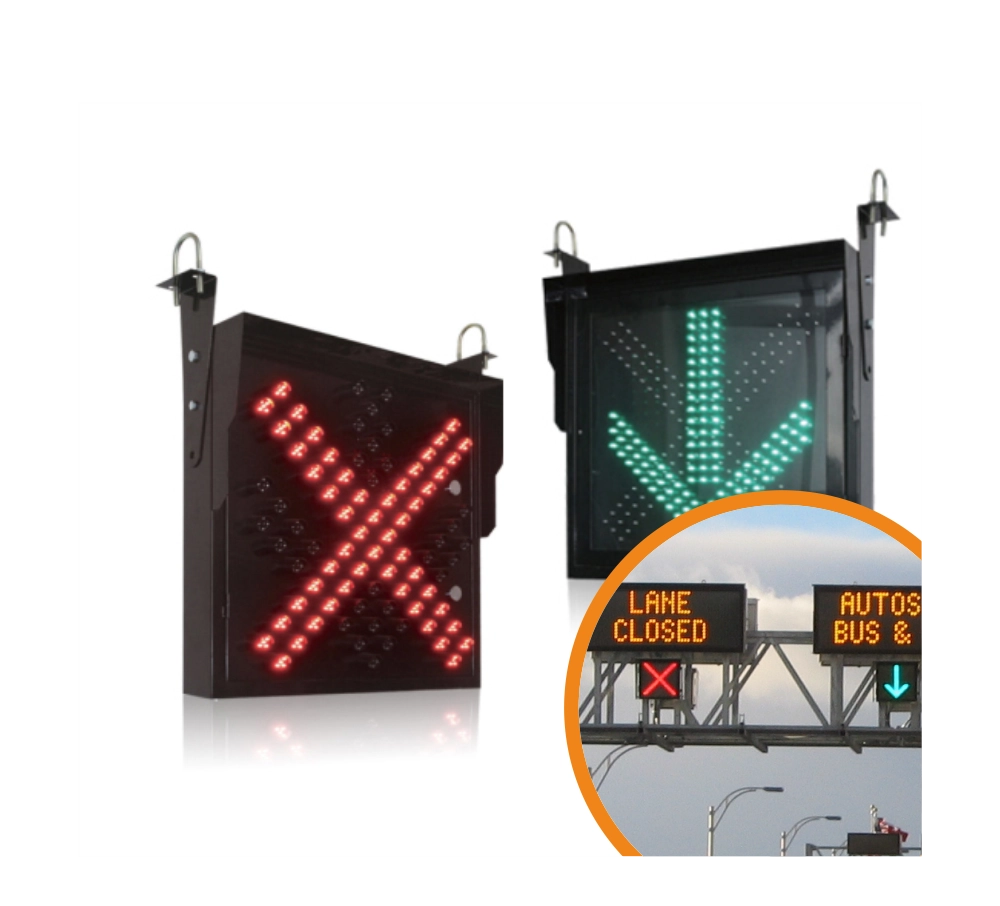
    lane control led sign traffic sign
    ETC LED SIGN DISPLAY

    Revolutionizing Road Safety and Information Flow: The Advanced VMS LED Signs

    In the ever-evolving world of digital communication, Variable Message Signs (VMS) have become a cornerstone in managing traffic and conveying important information to the public. Today, I’m excited to share insights into the latest advancements in VMS technology, particularly focusing on the state-of-the-art VMS LED signs that are setting new standards in the industry.

    Key Features of Our Traffic LED Displays
    1.Unmatched Visibility & Reliability

    10,000 cd/m² Brightness: Ensure crisp readability in direct sunlight or heavy rain.
    10,000+ Hours MTTF: Engineered for 24/7 operation with minimal downtime.
    Wide Viewing Angles: Optimized for 70°–120° visibility to serve all lanes effectively.

    3.Smart Traffic Management

    Real-Time Updates: Sync with traffic monitoring systems to display speed limits, alerts, and detours instantly.
    Customizable Configurations: Choose from pixel pitches (P16, P20, P31.25, etc.), sizes, and modules to fit any application.

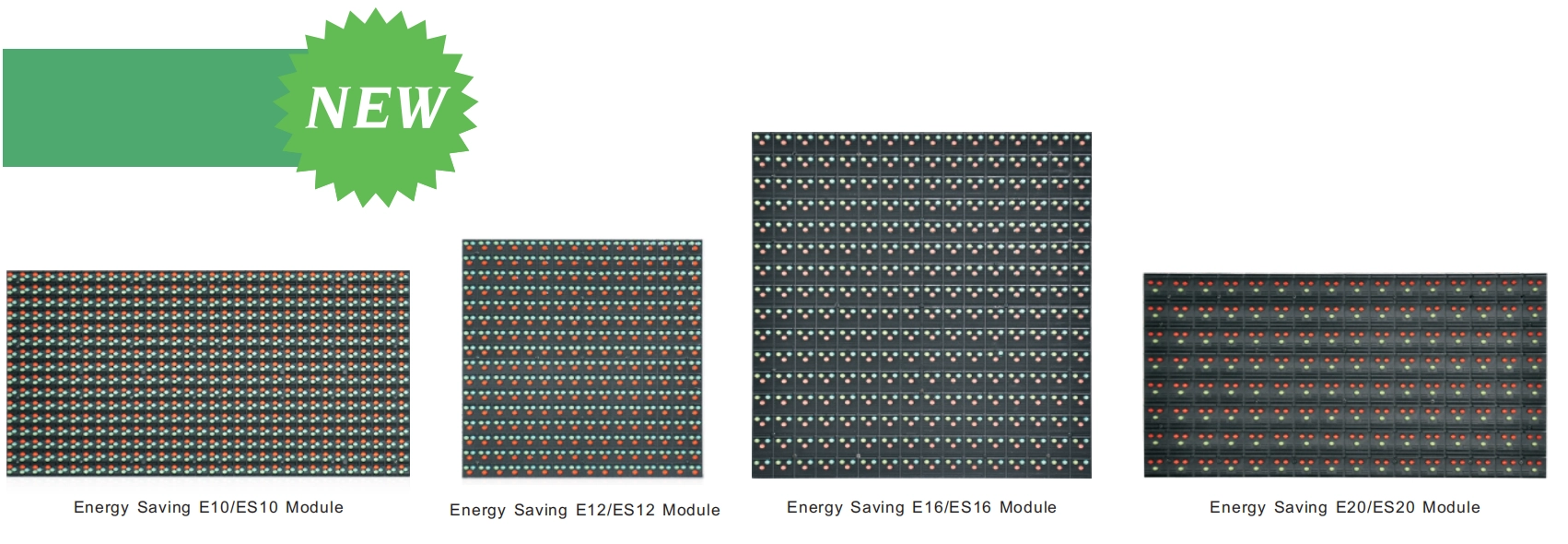
    dip p10 p16 p12 p20 vms led sign traffic
    2.Weatherproof & Durable Design

    IP67 Certification: Resistant to dust, water, and extreme temperatures (-30°C to 60°C).
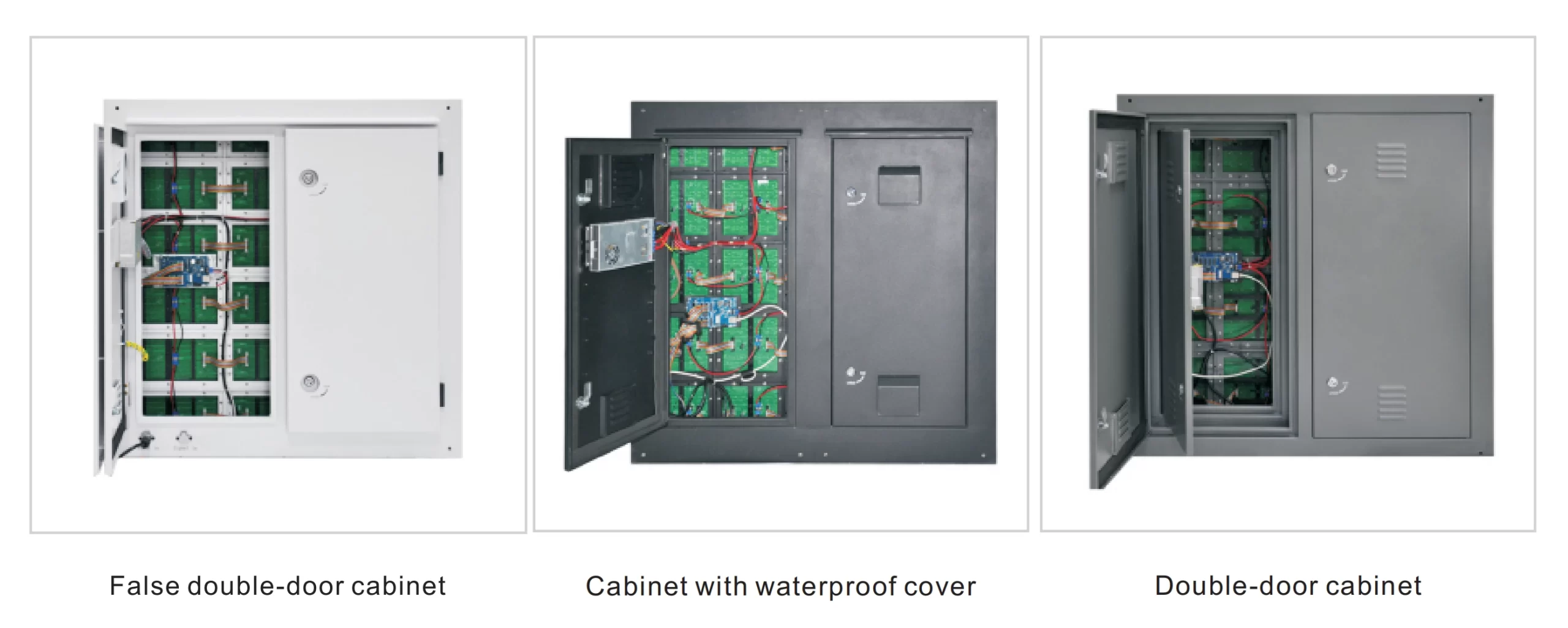
    Cold-Rolled Steel/Aluminum Cabinets: Built to withstand harsh outdoor environments.

    double doors cabinets led sign for high way bridge

    4.Energy Efficiency

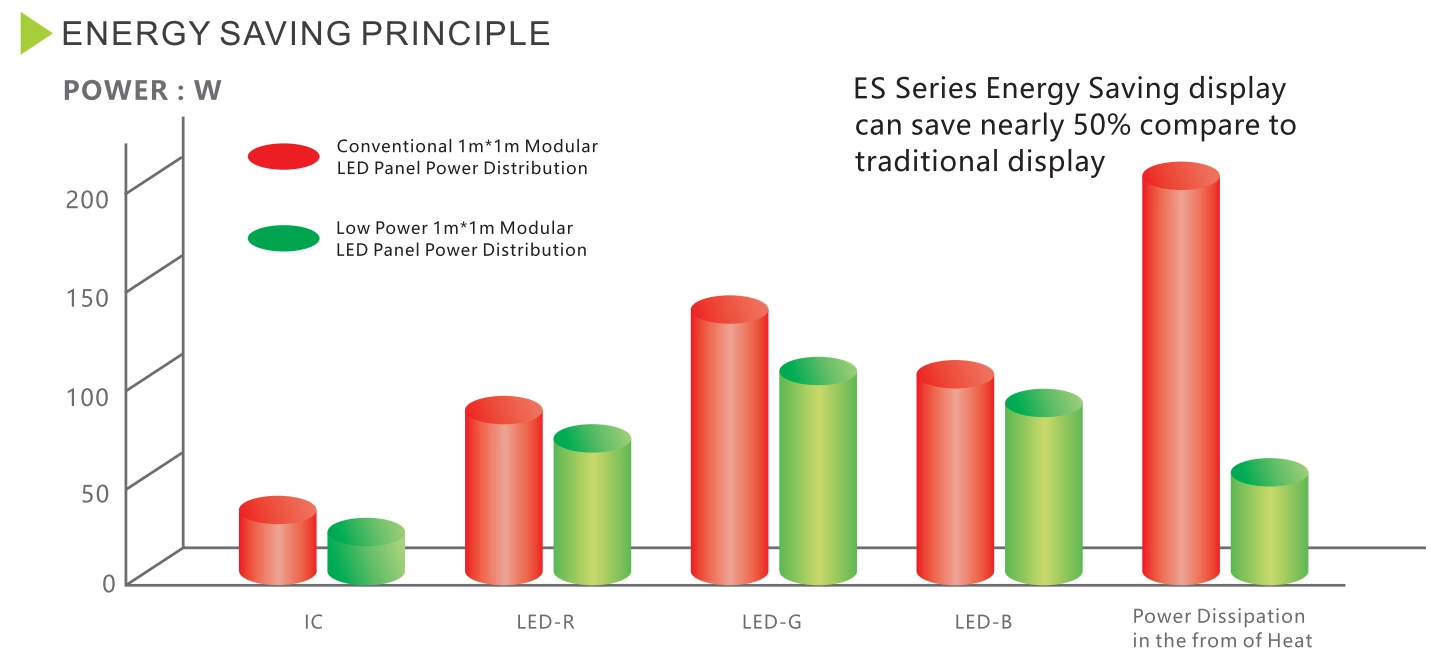
    Energy-Saving Modes: Reduce power consumption by up to 40% with intelligent brightness adjustment.
    Solar-Ready Options: Ideal for remote installations without grid access.

    common cathode energy saving dip traffic led sign for high way bridge vms
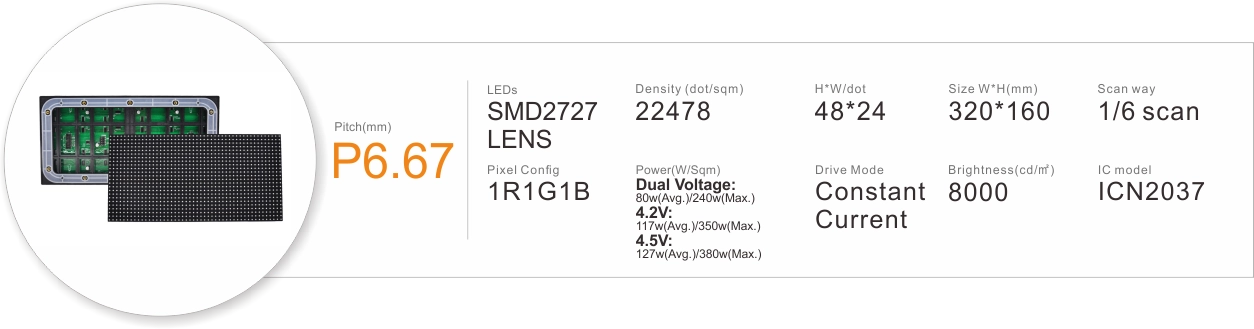
    P6.67 VMS LED MODULES HIGH BRIGHTNESS LEN copy
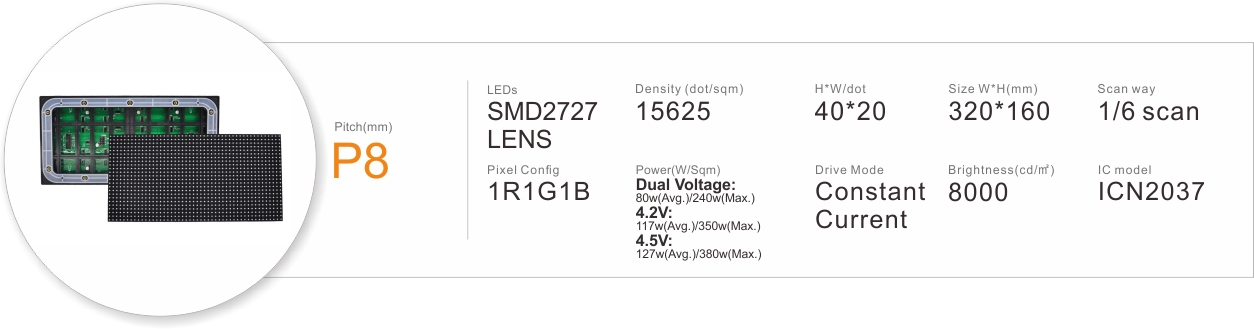
    P8 VMS TRAFFIC LED DIPSLAY MODULE copy
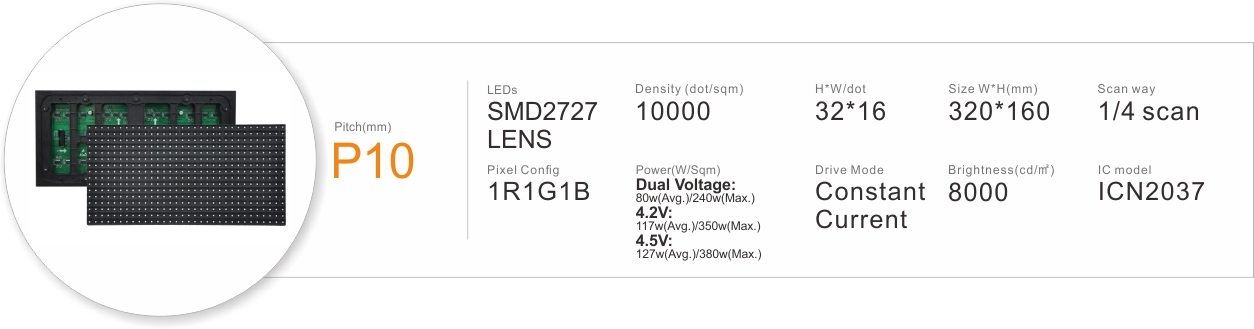
    P10 OUTDOOR VMS TRAFFIC LED DISPLAY copy

     A New Era for Traffic Management and Communication

    The advanced features of our VMS LED signs not only enhance road safety but also ensure that traffic information is communicated effectively and reliably. With these enhancements, our VMS signs are ideally suited for a variety of applications, from highways and city roads to events and construction sites. As we continue to innovate, our goal remains clear: to provide sophisticated, reliable, and easy-to-maintain solutions for dynamic traffic management and public communication needs.

    In conclusion, the next-generation VMS LED signs are more than just traffic tools; they are integral components of modern infrastructure, designed to meet the high demands of today’s fast-paced world. With their robust construction, versatile functionality, and advanced technological features, these signs are set to transform how we manage traffic and convey information, making roads safer and information flow more efficient.

    Factory Supplier Background Check

    Are you sure your potential supplier is who they say they are? Visionpi does the due diligence to uncover the truth with a comprehensive background check. We‘ve all heard horror stories about ‘scammers’ posing as factories who take your money and disappear! This very real risk is heavy on a buyer’s mind when they‘re considering a potential supplier, especially for led display industry, hundreds of small factories bankrupted every year which is why Visionpi offers a supplier background check to vet potential suppliers for you. Our focus is on assuring that your supplier is legitimate (no scams), has their story straight, is offering competitive pricing, and is, more generally, a good match for your business. If you are afraid of being scammed or working with a middleman posing as a manufacturer, Visionpi’s supplier background check will flag suspicious signs and advise on how to dig deeper.

    What is a supplier background check or ‘due diligence?

    Visionpi’s supply chain specialist performs a thorough investigation to uncover the truth about a potential supplier, covertly interviewing them, fact-checking, and confirming that they’re a legitimate manufacturer who is capable of producing your order. It takes 5 working days to compile the report.

    Why choose to perform background checks? Any importers who are afraid that their potential suppliers may misrepresent information about their company (including scammers, but also simply ‘creative sales people’) need to conduct supplier due diligence before agreeing to work with a new supplier.

    What type of factory should this type of due diligence be performed on?

    All potential suppliers’ factories of any size, prior to deciding to spend much time on boarding them and on developing products with them. When to perform these background checks? Usually, the best time to carry out any due diligence is after sending out Request for Quotation (RFQ) information, but before any samples are requested and orders are placed.

    Subscribe To Our Newsletter

    Join our mailing list to receive the latest news and updates from our team.

    You have Successfully Subscribed!

    Pin It on Pinterest